
Reviewed · ULUWATU TEMPLE TOURS
Bali: Full-Day Private or Shared Uluwatu Highlights Tour
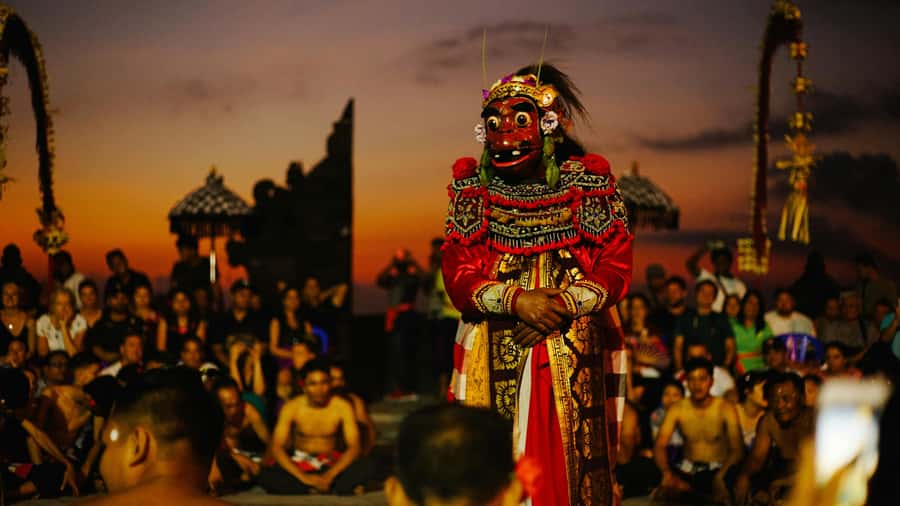
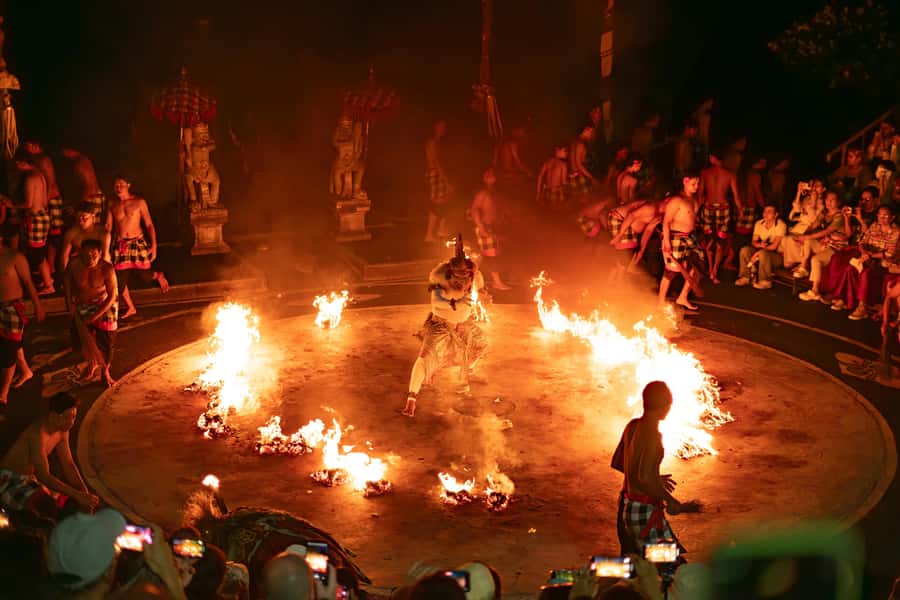
The Kecak Fire Dance at Uluwatu is the payoff here: chanting, fire, sunset, and a cliff-top temple above the Indian Ocean. This tour gives you that famous evening scene while filling the earlier hours with South Bali’s main sights, so you do not have to arrange several separate rides.
I like the useful mix of coastal views and Balinese culture, and I like having a guide who handles entry tickets, timing, and the tricky roads. Guides such as Jolly, Gus, Komang Sparsa, Gusde, and Carma have been praised for clear explanations and flexible planning. The drawback is the day’s length. Traffic can turn this into an eight-to-ten-hour outing, with some hurried moments if rain or delays interfere.
In This Review
- Key points
- Why This South Bali Route Works
- Water Blow Nusa Dua: A Quick Start by the Sea
- Garuda Wisnu Kencana and Bali’s Big Symbols
- Melasti Beach and a Needed Pause
- Uluwatu Temple Above the Indian Ocean
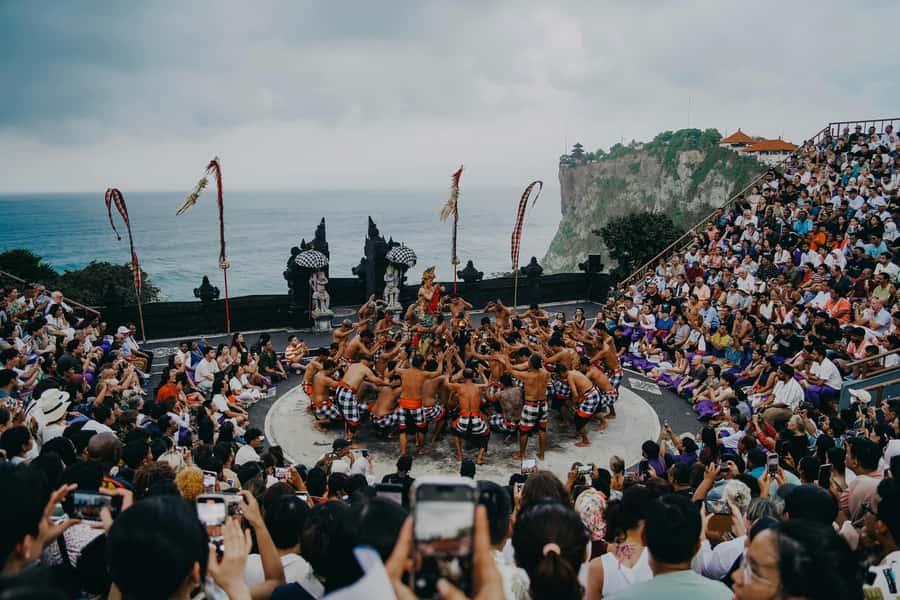
- The Kecak Fire Dance at Sunset
- Shared or Private: Which Version Fits You?
- What the Guides Add
- Timing, Comfort, and What to Pack
- Should You Book This Uluwatu Tour?
- FAQ
- How long does the complete Uluwatu tour take?
- Is hotel pickup included?
- What entrance fees are included?
- Is lunch included?
- Do I need to bring a sarong to Uluwatu Temple?
- Is the tour suitable for people with limited mobility?
Key points
- The Kecak Dance is the grand finale: Watch a one-hour traditional performance with rhythmic chanting and fire elements at sunset.
- Four major South Bali stops: See Water Blow Nusa Dua, GWK Cultural Park, Melasti Beach, and Uluwatu Temple in one organized day.
- Guides do more than drive: English-speaking guides explain Balinese religion, mythology, customs, and local history, then help with tickets and photos.
- Private trips offer flexibility: Guides can adjust the order, add lunch or a coffee stop, and make room for photo sessions or a spa visit.
- Prepare for monkeys and uneven paths: Uluwatu requires walking, steps, and care with sunglasses, phones, hats, and other loose items.
- The price is unusually low: At about $23 per person, the experience offers strong value, though extras such as meals and spa treatments cost more.
Why This South Bali Route Works
South Bali can look compact on a map, but roads around Nusa Dua, Ungasan, Jimbaran, and Uluwatu can slow you down. A tour is useful here because you can enjoy the views instead of negotiating directions, parking, tickets, and the evening performance schedule.
The route also has a sensible rhythm. You begin with a short coastal stop, spend time among large cultural monuments, slow down at a beach, and then finish with Bali’s most famous sunset performance. It is not a quiet, deeply local day. It is a highlights tour. But for a first visit, that can be exactly the point.
The shared option suits solo travelers and couples who want a lower price and do not mind following a group schedule. A private group is better if you want to linger at Melasti Beach, request a particular lunch stop, or make room for a massage before the dance.
At $23 per person, the value is strong if your chosen option includes the listed entrance tickets and transport. Water Blow, GWK, Melasti Beach, Uluwatu Temple, and the Kecak performance are included, while meals, personal purchases, towels, and buggy transport are not. Add-ons for lunch, photographs, or a spa experience can make the day more comfortable, but they also change the final cost and length.
More Uluwatu clifftop trips:
- Bali Sunset: Uluwatu Temple, Kecak Dance and Jimbaran Bay
★ 4.7 · 2,397 reviews - Bali: Canggu & Uluwatu Puppy Yoga Class & Refreshing Drinks
★ 4.8 · 891 reviews - Bali: South Coast Uluwatu, Tanah Lot, and Jimbaran Day Trip
★ 4.5 · 835 reviews
Water Blow Nusa Dua: A Quick Start by the Sea
The first stop is Water Blow in Nusa Dua, where waves hit the rocks and shoot upward in a burst of spray. When the sea is active, it is a fine place for dramatic photographs. The stop is planned for about 45 minutes, enough time to look around, take pictures, and hear some background from your guide.
This is a natural sight, so you should keep your expectations flexible. Strong waves can produce impressive spray, but calm water may make the blow less forceful. Rain and wind can also affect the experience. One useful tip from the day’s feedback is not to judge the entire tour by this first stop: conditions change, and the site may be subdued even when the rest of the route is excellent.
Bring sunscreen and sunglasses, but keep both secure near the water. The coast is exposed, and wet weather can arrive quickly. Comfortable shoes are more useful than flip-flops if the paths are damp or uneven.
The starting point depends on the booking option. If you are meeting the guide rather than using hotel pickup, the meeting place is the north visitor entry gate, where the guide holds a GetYourGuide sign. Pickup is available from hotels in Ubud, Sanur, Seminyak, Kuta, Nusa Dua, Jimbaran, Uluwatu, and Canggu. Ubud pickups need an earlier start because of the longer drive.
Garuda Wisnu Kencana and Bali’s Big Symbols
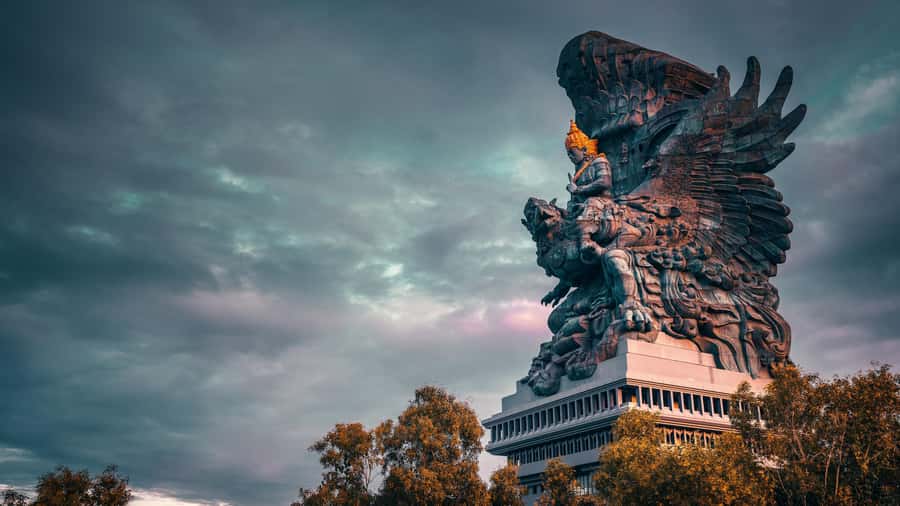
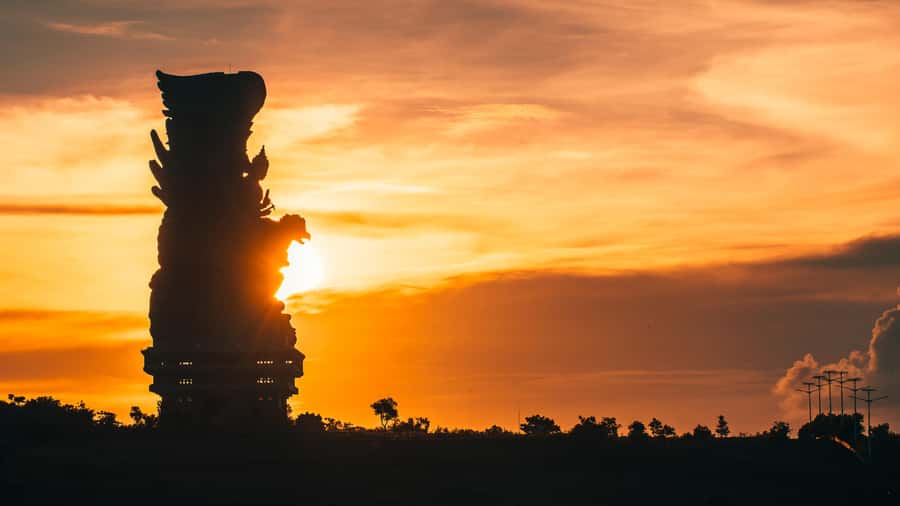
Garuda Wisnu Kencana Cultural Park, usually called GWK, brings a very different mood. Instead of waves and open sea, you get broad public spaces, Balinese art, and enormous monuments. The park is home to one of Indonesia’s tallest statues, depicting the Hindu god Vishnu riding the mythical Garuda.
You have about an hour here for walking, photographs, sightseeing, and a guided explanation. That is enough for a useful introduction, but not enough for a slow, museum-style visit to every corner. If you want extensive photographs or need a slower pace, the private option gives you a better chance of making the stop feel unhurried.
This is where the guide’s cultural role matters most. Several guides, including Raka, Agung, Dayu, and Jolly, have been singled out for explaining Balinese Hindu traditions, mythology, and Indonesian history in clear English. Those details help turn a collection of giant statues into a place with meaning.
The walking can be moderate, and the tropical heat adds effort. Wear light clothing, use sunscreen, and carry water for the walking portions, though drinks are not allowed in the vehicle. Lunch may be included only if you select that option. Otherwise, you should confirm your meal plan with the operator rather than assume food is part of the base price.
Melasti Beach and a Needed Pause
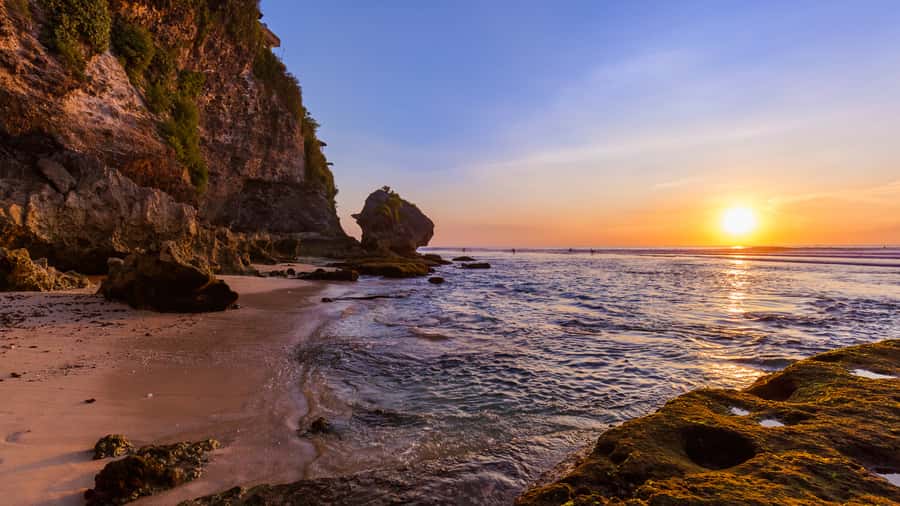
After GWK, the route heads to Melasti Beach, a striking stretch of southern coastline framed by pale limestone. The visit lasts about an hour, giving you time to walk, take photos, sit by the sea, or simply cool down after the cultural park.
I like this stop because it breaks up the sightseeing. A day filled only with temples and monuments can become tiring, especially in Bali’s heat. Melasti gives you a chance to slow the pace before the busy final visit to Uluwatu.
The beach is also weather-dependent. Rain can shorten your time outdoors, and strong wind may make the shore less relaxing than expected. Bring beachwear if you plan to sit near the water, but remember that this tour still includes temple visits, so you need clothing suitable for cultural sites later in the day.
A few people choose to add lunch or a local food stop. Some private-tour guides have also arranged coffee or dining breaks when timing allowed. These additions can be worthwhile, but do not pack the day too tightly. The Kecak Dance begins at a fixed time, and reaching Uluwatu late can cause stress.
A few more Bali experiences worth comparing
- Bali: Full-Day Instagram Highlights Tour
★ 4.8 · 7,817 reviews - Bali/Nusa Penida: East & West Highlights Full-Day Tour
★ 4.7 · 6,263 reviews - Bali: Nusa Penida All-Inclusive Full-Day Tour with Transfers
★ 4.6 · 1,867 reviews - Bali: Full-Day Nusa Penida Highlights Tour with Transfer
★ 4.5 · 1,798 reviews
Uluwatu Temple Above the Indian Ocean
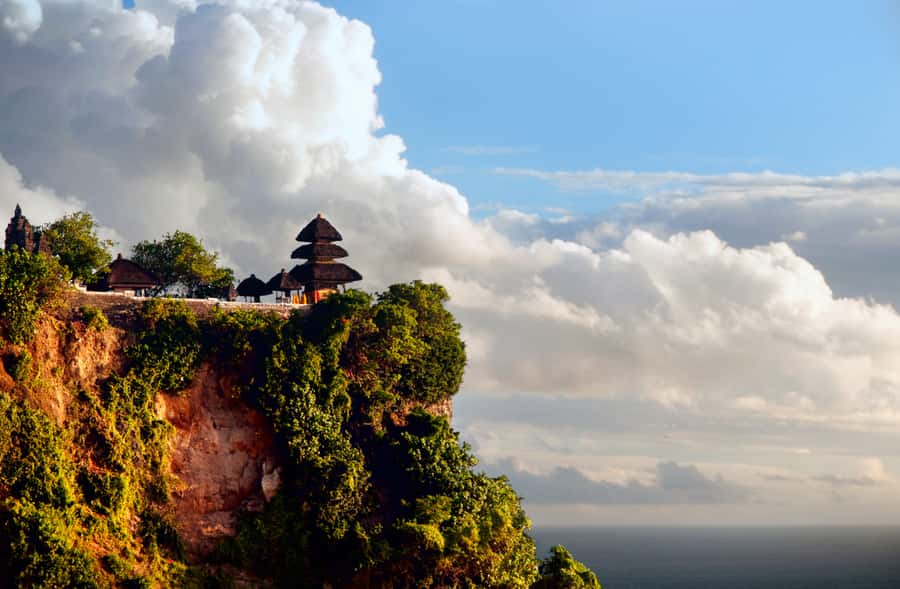
Uluwatu Temple is the emotional center of the setting, even before the performance begins. The temple sits on a cliff above the Indian Ocean, with walking paths following the edge and wide sea views opening below.
You should expect about 40 minutes for the temple visit itself, though some versions of the experience devote closer to two hours to the Uluwatu portion, including walking and the show. The paths include steps, rocks, and uneven sections. One route described by a solo participant covered about a kilometer and included several places where you needed to step carefully.
A sarong and sash are required at the temple, and these are provided on-site. Dress respectfully and wear shoes with a secure sole. This is not a good fit for anyone who struggles with moderate walking, has a low level of fitness, or needs step-free access. The activity is specifically not recommended for people with mobility impairments or those over 70.
The monkeys are part of the Uluwatu experience, but they are also a practical hazard. Keep phones, glasses, hats, jewelry, and snacks secured. Do not leave belongings loose in your hands or on a bench. Guides such as Samba, Woody, Made, and Komang have helped people handle monkey encounters, but your own care matters most.
The road into and out of the temple can move slowly, particularly around sunset. A guide who collects tickets in advance and keeps the group together saves time. This is one reason the transport component is worth more than the low price first suggests.
The Kecak Fire Dance at Sunset
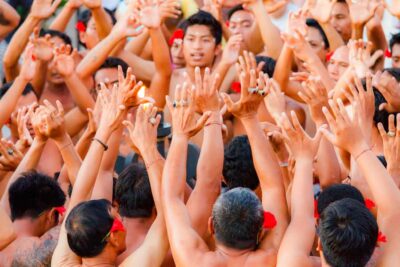
The final event is the Kecak Fire Dance, a traditional Balinese performance built around rhythmic group chanting and scenes inspired by the Ramayana. It is not a conventional dance show with a large instrumental orchestra. The human voices create the pulse, while performers act out the story around fire.
The open-air setting is a major part of the appeal. You sit above the ocean as daylight fades, with the temple area and sunset forming the backdrop. The performance lasts about an hour in the supplied schedule, while one detailed account describes the dance itself as roughly 45 minutes. Plan for a substantial show rather than a quick photo opportunity.
I recommend treating this as the fixed anchor of the day. Water Blow may be calm, rain may limit the beach, and traffic may force changes, but the Kecak performance is the part you most want to protect. Private guides can adjust the earlier stops to help you arrive on time. Even on crowded evenings, the performance setting gives the day a memorable finish.
The show can feel busy around entry and exit, especially with vehicles approaching Uluwatu at the same time. Once seated, though, the experience is much calmer. Arrive ready to sit outdoors and expect weather to affect the atmosphere. The tour operates in all weather, but coastal wind and rain can make the evening less comfortable.
Shared or Private: Which Version Fits You?
The shared option is the better buy if your main goal is to see the famous stops without paying for a vehicle alone. It also works well for solo visitors who enjoy meeting other people. One solo participant appreciated touring with strangers and making friends along the road.
The tradeoff is control. You may have less freedom to linger at Melasti Beach, change the lunch plan, or add an unscheduled stop. Traffic can also affect the order of the day, and a group needs to move together.
A private group costs more than the basic per-person rate may suggest, but it provides useful freedom. Guides such as Gusde, Wirma, Carma, and Agus have adjusted the pace, changed the order, and accommodated specific requests. If you are traveling with family, have particular photo goals, or want lunch, coffee, a massage, or a seafood dinner added, private transport makes more sense.
Do not confuse private with effortless. The roads are still busy, the day is still long, and the temple still requires walking. Private simply gives you a better chance to shape the hours between the fixed highlights.
What the Guides Add
This experience depends heavily on the individual guide. The strongest part of the operation is not a fancy vehicle or a secret viewpoint. It is the person explaining what you are seeing and keeping the day on track.
Names praised for friendly service, cultural explanations, photography, and calm driving include Raka, Karba John, Carma, Agung, Jolly, Kadek, Gus, Woody, Komang, Dayu, Wawan, and Sumadi. That list reflects a wide guide team rather than a promise that you will receive one particular person. Your booking may be assigned to someone else.
The useful guide qualities are clear: good English, safe driving, patience, help with tickets, and the ability to adjust when rain or traffic interferes. Several guides also took photographs for their groups. That can be handy at GWK, Melasti, and the cliff paths, where getting a good angle while keeping your belongings safe is not always easy.
Timing, Comfort, and What to Pack
Although the activity page gives a duration range of two to nine hours depending on the selected option and start time, you should plan for a full day of roughly eight to ten hours for the complete route. Traffic, hotel location, weather, and the time of the sunset show all affect the schedule.
Hotel pickup requires you to wait in the main lobby five minutes before the scheduled time. Pickup times vary by location, and Ubud requires an earlier departure. The vehicle is air-conditioned, an important comfort in southern Bali, particularly after walking at GWK or Uluwatu.
Pack:
- Sunglasses and sunscreen
- Beachwear and a change of clothes if useful
- Insect repellent
- Comfortable walking shoes
- A secure bag for phones, glasses, and valuables
Drinks, alcohol, drugs, nudity, and bare feet in the vehicle or activity setting are not allowed. Towels and buggy transfers are not included. If you need buggy assistance, ask before booking because the tour is not designed for people who cannot manage moderate walking.
The tour runs in all weather. That does not mean every stop will look the same in rain. Water Blow may be less dramatic, Melasti may be windy, and the outdoor dance may be wetter or cooler than expected. A light rain layer can make the difference between tolerating the day and enjoying it.
Should You Book This Uluwatu Tour?
Book it if you have one day for South Bali and want a practical blend of ocean views, Balinese culture, a beach break, a cliff temple, and the Kecak Fire Dance. At around $23 per person, the included transport and entrance tickets make it a strong value, especially for a first visit.
Choose the private version if flexibility, photography, lunch, or a slower pace matters to you. Choose shared transport if price is the main concern and you are comfortable with a long group day.
Skip it if you want a quiet beach day, dislike fixed performance times, or cannot manage uneven paths and steps. Also skip the full route if you are staying far north and do not want an early start. For most able-bodied first-time visitors based in South Bali, though, this is an efficient way to see the area’s headline sights, with the sunset Kecak Dance providing a genuinely special finish.
FAQ
How long does the complete Uluwatu tour take?
The complete experience usually takes about eight to ten hours, depending on traffic, weather, hotel location, and the selected schedule. The activity options show a duration range of two to nine hours, so check the exact option before booking.
Is hotel pickup included?
Hotel transfer is included only when you select an option with pickup. Available pickup areas include Ubud, Sanur, Seminyak, Kuta, Nusa Dua, Jimbaran, Uluwatu, and Canggu. You should wait in your hotel lobby five minutes before the scheduled pickup time.
What entrance fees are included?
The listed inclusions cover Water Blow Nusa Dua, basic entry to Garuda Wisnu Kencana Cultural Park, Melasti Beach, Uluwatu Temple, and the Kecak and Fire Dance performance.
Is lunch included?
Lunch is not included in the base experience unless you select a lunch add-on. Personal expenses are also separate. Some options may include additional food, coffee, dinner, or spa services, so check the specific package.
Do I need to bring a sarong to Uluwatu Temple?
A sarong and sash are required at Uluwatu Temple, but they are provided on-site. You should still dress respectfully and wear comfortable shoes for the uneven walking paths.
Is the tour suitable for people with limited mobility?
No. Moderate walking is required at GWK Cultural Park and Uluwatu Temple, with steps, rocks, and uneven paths. The experience is not suitable for people with mobility impairments, a low level of fitness, or those over 70.
Recently added around Bali
- Bali: Private Lempuyang Temple, Water Temple & Rice Terraces★ 5.0 · 3 reviews
- Bali: Mountain Bike Tour and River Rafting with Lunch★ 5.0 · 3 reviews
- Bali: Sidemen Waterfall tour and temple purification★ 5.0 · 3 reviews
- Bali: Padangbai Blue Lagoon Scuba Diving Private Tour★ 5.0 · 3 reviews
- Bali’s Mystical Jungle Trek & Hidden Waterfall Adventure★ 4.3 · 3 reviews
- From Bali: Mount Bromo & Ijen volcanic private tour★ 5.0 · 3 reviews
- Bali: 7 Day Solo Traveler’s Yoga Retreat In Ubud★ 5.0 · 3 reviews
- Bali: Photo Shoot with a Private Vacation Photographer★ 5.0 · 3 reviews
Uluwatu Temple Tours, compared.
Uluwatu Kecak and Fire Dance Show Entry Ticket
Read our review →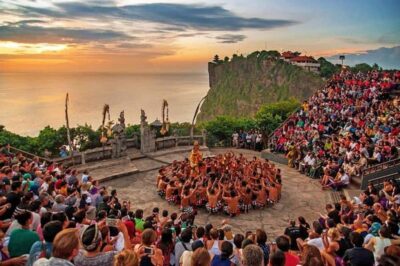
Kecak Fire Dance Show & Uluwatu Temple Entry Ticket
Read our review →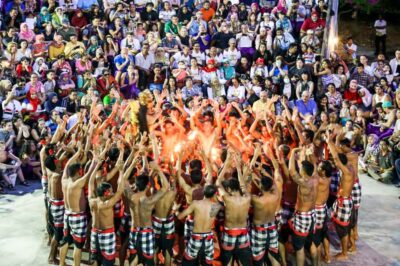
Bali Sunset: Uluwatu Temple, Kecak Dance and Jimbaran Bay
Read our review →
Canggu & Uluwatu Puppy Yoga Class & Refreshing Drinks
Read our review →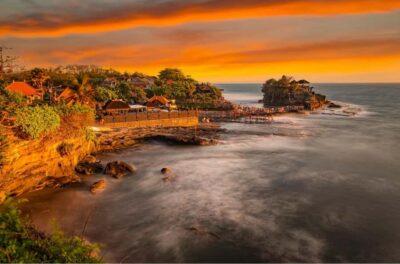
South Coast Uluwatu, Tanah Lot, and Jimbaran Day Trip
Read our review →
Beginner & Intermediate Surf Lesson with Equipment
Read our review →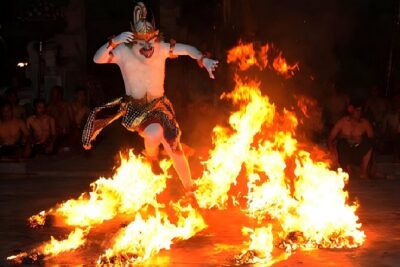
Uluwatu Sunset Tour: Kecak and Fire Dance with Jimbaran Dinner
Read our review →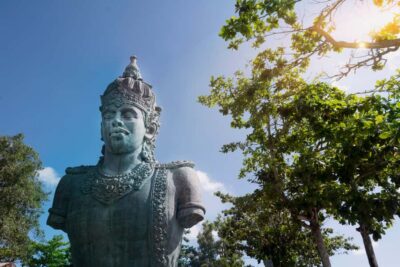
Bali Uluwatu: Garuda Wisnu Kencana Entrance Ticket
Read our review →Browse the lists this tour appears in