
Reviewed · KINTAMANI TOURS
Exploring Trunyan Cemetery
Trunyan Cemetery offers one of Bali’s most unusual cultural visits: human remains rest in open bamboo cages beneath a fragrant tree, rather than being cremated or buried. Local guide Yansu, who grew up in the village, explains the custom and leads you through a place few standard Bali tours reach.
I like the boat ride across Lake Batur and the stop at Penelokan for views of the crater and Mount Batur. I also like the chance to meet people from Bali Aga culture, whose customs differ sharply from those found in much of the island. The drawback is clear: this is a serious visit involving human remains, so it is not a good fit if you want a light sightseeing day.
In This Review
- Key points to know before you go
- Why Trunyan Cemetery feels so different from Bali’s usual sights
- From your hotel to Penelokan’s Mount Batur viewpoint
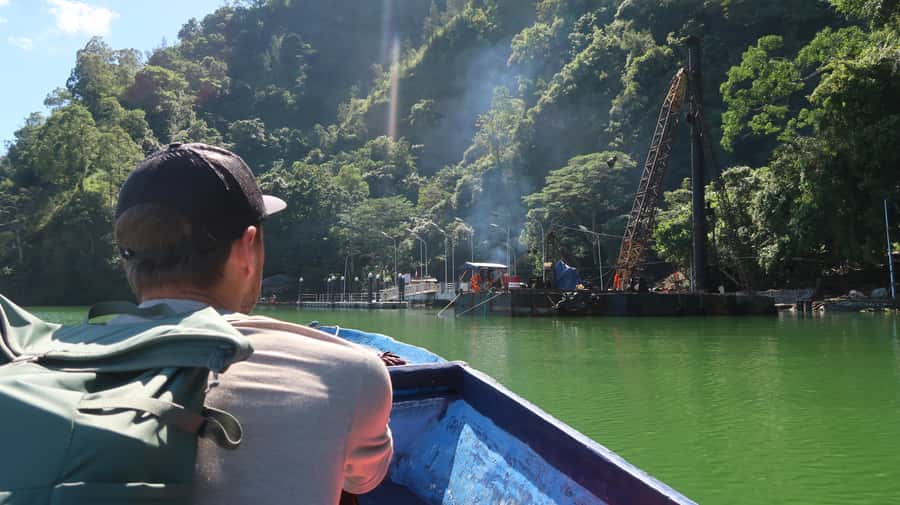
- The boat across Lake Batur to Trunyan
- Pancering Jagat Trunyan and the village temple
- Under the Taru Menyan tree
- What the guide adds to the visit
- Is $35 a fair price for this Bali day trip?
- How demanding is the route?
- Who should book this experience?
- Practical timing and booking advice
- My call: book it if you want culture with some weight
- FAQ
- Where is Trunyan Cemetery?
- How do I reach Trunyan Cemetery?
- How long does the drive take?
- Will I see human remains?
- Who guides the experience?
- Is the temple always open?
- What is included in the $35 price?
Key points to know before you go
- The cemetery is reached by boat: The return ride is included, and the tour begins at the Trunyan boat jetty.
- Yansu adds personal insight: He grew up in Trunyan and can explain the village customs from local experience.
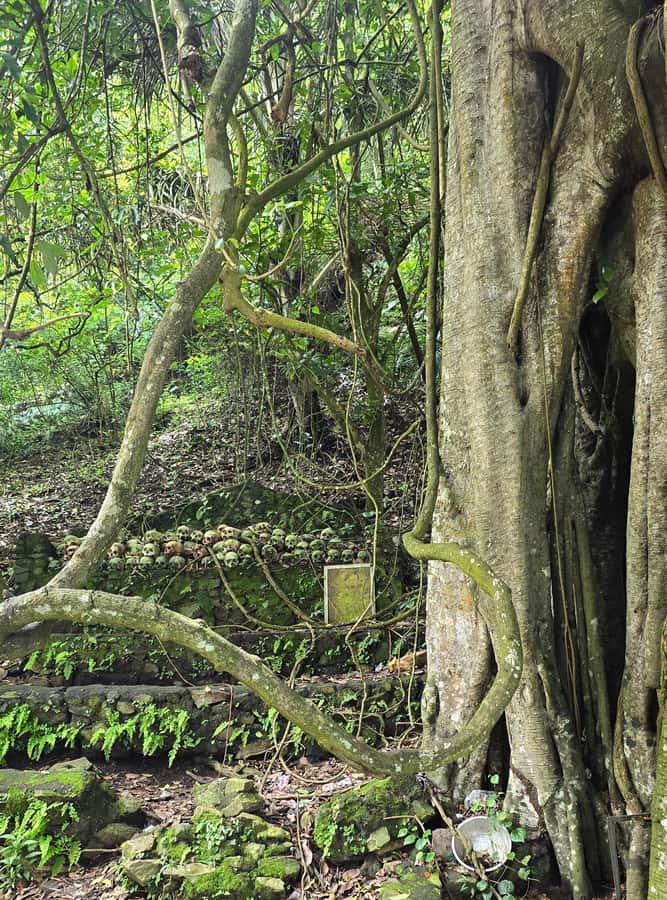
- The Taru Menyan tree shapes the cemetery tradition: Its name means nice-smelling tree, and local belief says its scent neutralizes the odor of the bodies.
- Penelokan gives you the big volcanic view: You can look across the crater toward Lake Batur and Mount Batur before continuing to Trunyan.
- This is a cultural visit, not a casual photo stop: You will see human remains and should dress and behave with care.
- The $35 price includes the main logistics: Hotel pickup and drop-off, air-conditioned transport, entry fees, a local guide, and the boat ride are included.
Why Trunyan Cemetery feels so different from Bali’s usual sights
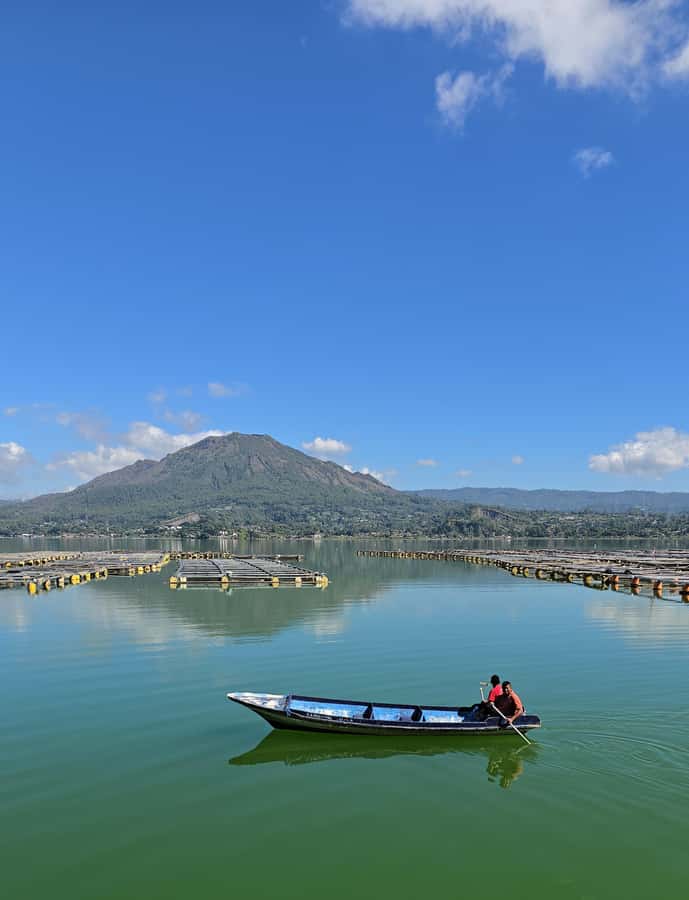
Most Bali sightseeing follows a familiar pattern: temple, rice field, waterfall, beach, then dinner. Trunyan breaks that pattern. The village sits on the eastern shore of Lake Batur, in the Kintamani crater area, and is known for a burial tradition that is unlike the cremation customs seen elsewhere in Bali.
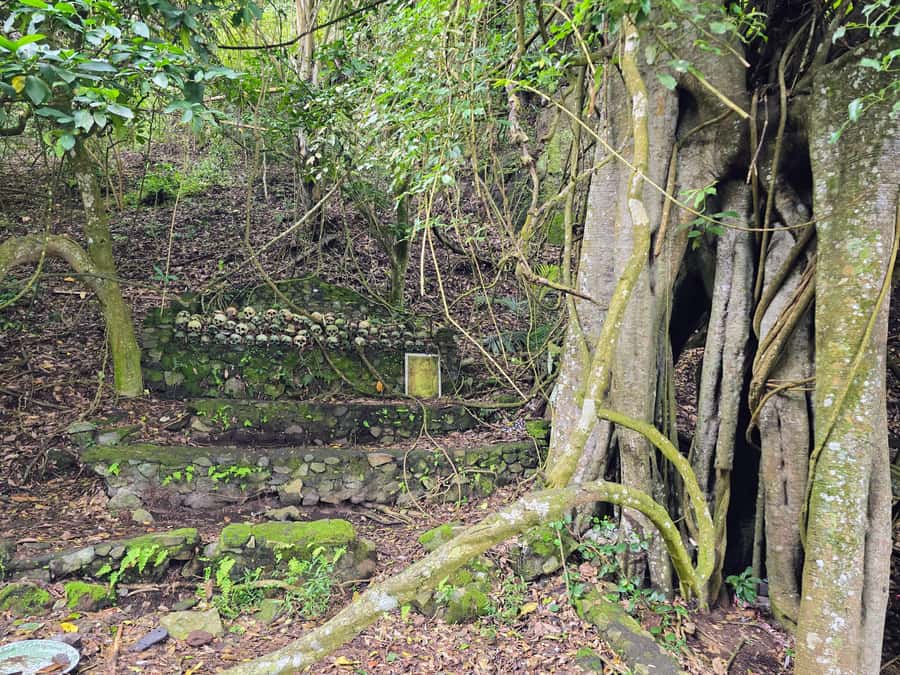
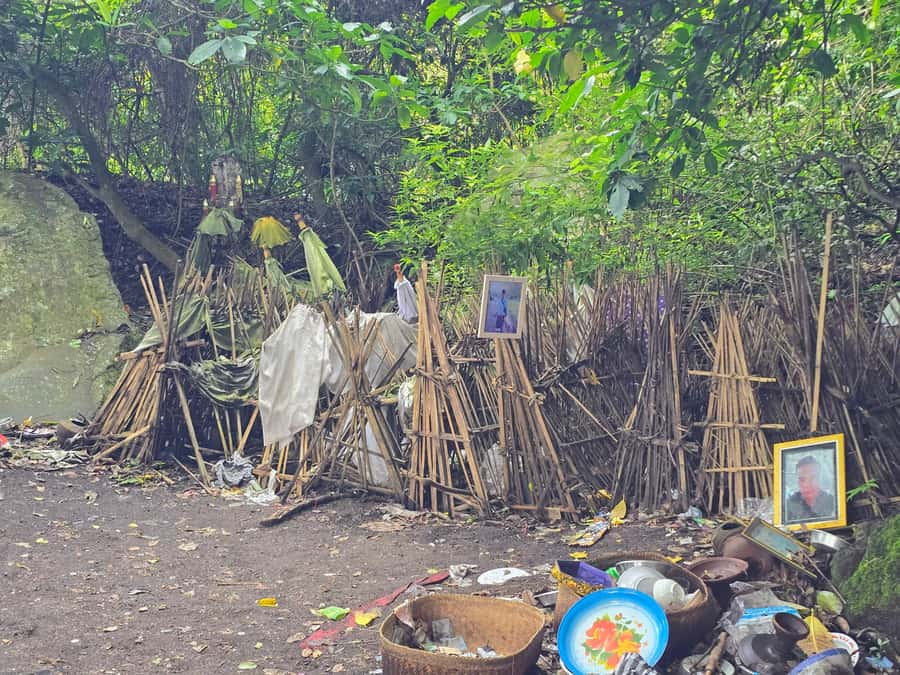
After a cleansing ritual, the body of a married person is placed in an open bamboo cage called an ancak saji. The cage rests beneath the Taru Menyan tree. Instead of being sealed in a tomb or burned, the body is left to the elements.
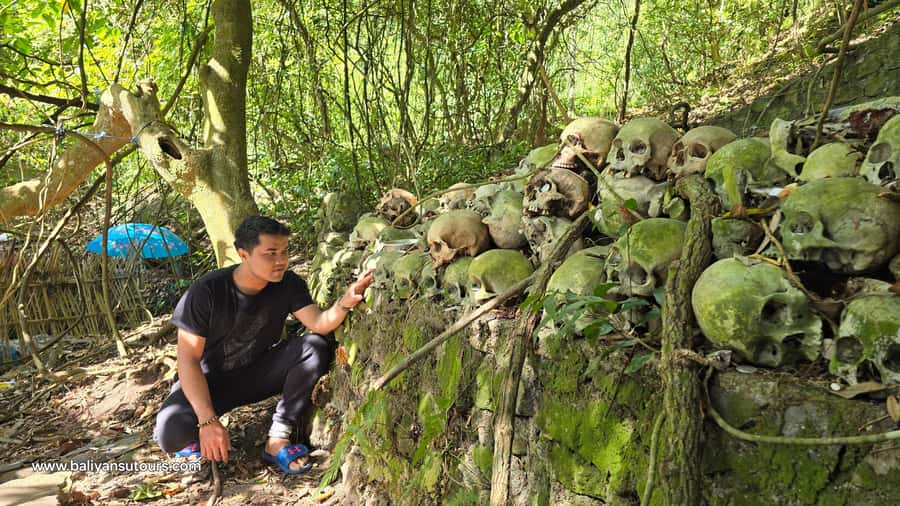
That description may sound stark, and it is. You should expect to see bones and skulls. This is not a staged attraction, and the visit can feel confronting. At the same time, the cemetery gives you a direct look at how one Balinese community understands death as part of a continuing cycle.
The point is not shock for its own sake. The value comes from seeing that Bali has never had just one culture or one set of customs. Trunyan is associated with the Bali Aga people, often described as the island’s original inhabitants, whose traditions developed apart from many later Balinese practices.
A few more Kintamani experiences worth comparing
- Bali: Mount Batur Sunrise Trek With Guide and Breakfast
★ 4.8 · 3,461 reviews - From Ubud: Mount Batur Hiking With Hotspring
★ 4.8 · 1,850 reviews - From Ubud: Mount Batur Shared Jeep Sunrise & Hot Spring Tour
★ 4.8 · 1,842 reviews
From your hotel to Penelokan’s Mount Batur viewpoint
The day begins with pickup at your hotel lobby in an air-conditioned minivan. The stated drive takes about one hour from Ubud and about one and a half hours from southern Bali. Your exact road time can vary, so this is best treated as a substantial outing rather than a quick side trip.
Your first stop is Penelokan Village. The viewpoint looks across the crater toward Lake Batur and Mount Batur, giving you the broad setting you need before visiting Trunyan itself.
This stop matters because Trunyan makes more sense when you see its surroundings. The village is not an isolated display inside a museum. It is part of a highland community set beside a volcanic lake, with its own temple, cemetery, and way of life.
I would use Penelokan to get your bearings and listen to the guide’s explanation of the area. The view is a natural opening chapter for the day, though the weather will affect how much of the volcano and lake you can see. Do not expect a long hike here. The appeal is the wide view and the context.
The boat across Lake Batur to Trunyan
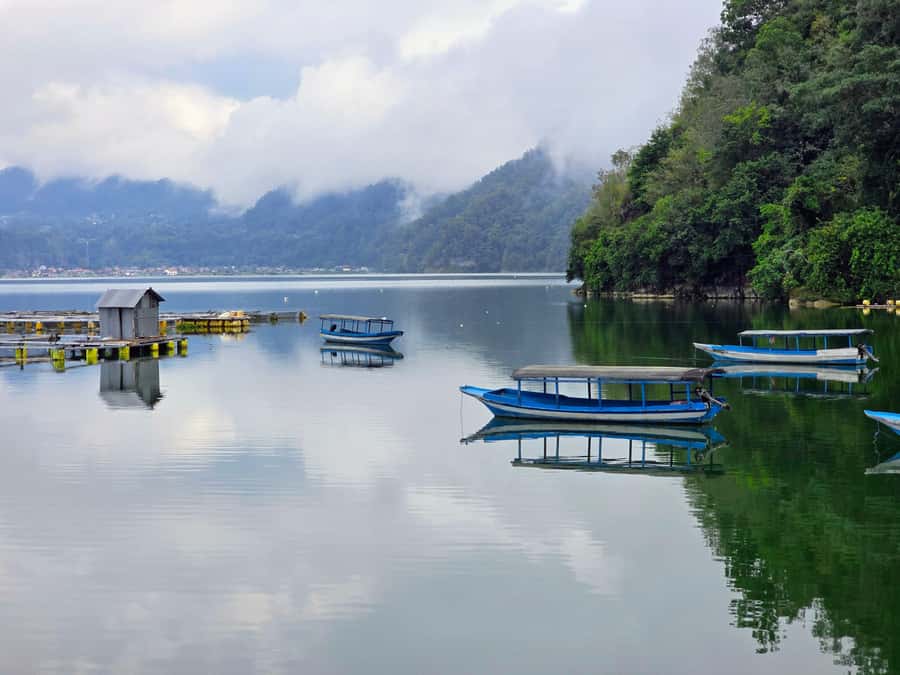
From Penelokan, the road continues for about 30 minutes to the main village area of Trunyan. The activity includes a return boat ride, and the meeting point is listed as the Trunyan boat jetty.
The boat is more than a transport detail. It separates this visit from the road-based temple circuit and gives you a different sense of the village’s position on the lake. The crossing also helps explain why Trunyan has preserved customs that feel far removed from busy southern Bali.
The ride is included in the price, along with the car transfer and entry tickets. You should still wear comfortable shoes and clothing, since a short walk is required once you reach the village.
The boat portion may be less appealing if you dislike water travel or want to avoid any movement on a boat. Pregnant women and wheelchair users are specifically advised not to book, and the activity is also not suitable for people with epilepsy or people over 75 years old.
Pancering Jagat Trunyan and the village temple
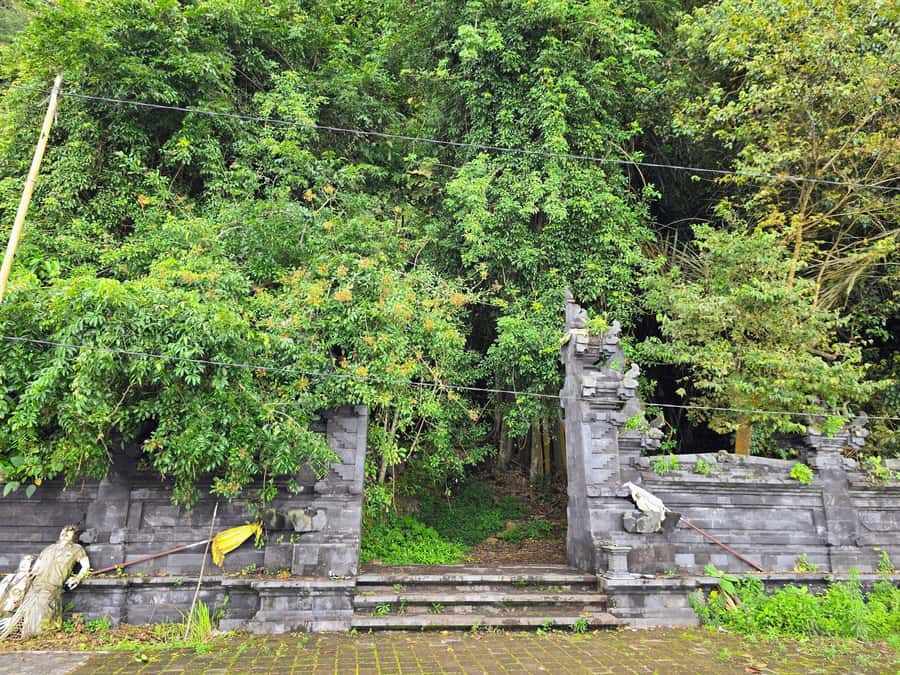
One of the key stops is the main temple of Trunyan, often identified as Pancering Jagat Trunyan. The temple is tied to the village’s religious life and helps place the cemetery tradition within a larger system of local beliefs.
The temple may be closed during a special period in the Balinese calendar, including a stated possibility of closure once a year. That means the exact visit can depend on the timing of your trip. If this temple matters most to you, confirm its opening status before booking.
The village itself is part of the experience. You are not simply taken to a cemetery and returned to the boat. You meet local people and see a community that has maintained its own customs. The guide’s role matters here, since Yansu can explain what you are seeing and why it matters to Trunyan families.
This is where the tour earns its cultural value. You get more than a strange photograph or an unusual fact to repeat later. You get a clearer sense that local traditions are tied to place, family, ritual, and time.
A different pace of day, same stretch of Bali coast:
- Bali: Shared Mount Batur Jeep Sunrise with Hot Springs
★ 4.9 · 1,332 reviews - From Ubud: Mount Batur Hiking
★ 4.9 · 617 reviews - Bali: Shared Mount Batur Sunrise Jeep Tour with Hot Springs
★ 4.8 · 385 reviews - Bali: Day/Sunset Mount Batur 4WD Jeep and Natural Hot Spring
★ 4.6 · 337 reviews
Under the Taru Menyan tree
The cemetery’s name and tradition are linked to Taru Menyan. The name is explained as meaning nice-smelling tree. Local belief says the tree gives off a scent that neutralizes the smell of decomposing bodies.
The remains are not placed randomly. The bamboo cages sit beneath the tree, creating a specific cemetery space shaped by the community’s customs. Only the bodies of married people are placed in these cages, according to the tour’s explanation.
You may hear the cemetery described as a skull island in Bali. That phrase captures the visual impact, but it can also make the place sound like a novelty. I would approach it as a sacred site first and a curious sight second.
Photography is listed as something to bring, but a camera does not give permission to photograph everything in any way you please. Follow Yansu’s instructions, watch how local people behave, and keep your manner quiet and respectful. The provided information does not spell out a specific photography rule, so ask the guide before taking close pictures of remains or ritual objects.
What the guide adds to the visit
The strongest feature of this experience is the local guide. Yansu grew up in Trunyan and takes you to his family’s cemetery. That personal connection gives the visit a different tone from a guide who simply memorized a paragraph about an unusual burial practice.
The guide speaks English and Indonesian. One important practical point is that the tour is guided by people from Trunyan itself, not just by someone bringing a group in from another part of Bali.
You should ask questions as you go. Why are some bodies placed in bamboo cages? How does the village mark death? What happens during the annual temple period? The supplied information confirms the basic tradition, but Yansu is the person who can explain the local meaning and current practice in more depth.
The English quality appears to be a strength of this tour. You need clear explanations here, since the cemetery tradition can easily be misunderstood. A fluent guide makes it easier to ask about sensitive subjects without relying on guesswork.
Is $35 a fair price for this Bali day trip?
At $35 per person, the price is strong if you value convenience and cultural access. The package includes hotel pickup and drop-off, an air-conditioned minivan, entry tickets, a local guide, and the return boat ride.
That list covers the parts that could otherwise make a visit awkward. You do not have to arrange the road transfer, find the jetty on your own, pay separate entry charges, or negotiate the boat ride once you arrive.
The price does not include food and drinks, documentation, or personal expenses. Plan to pay for your own meals and any extras. No meal is described as part of the activity, so you should not assume lunch is included.
The value is less about the number of stops and more about access. You are paying for a difficult-to-reach village, a boat crossing, local interpretation, and transport from your hotel. If you only want a quick cemetery visit, the full outing may feel long. If you want to understand why the cemetery exists, the package makes better sense.
How demanding is the route?
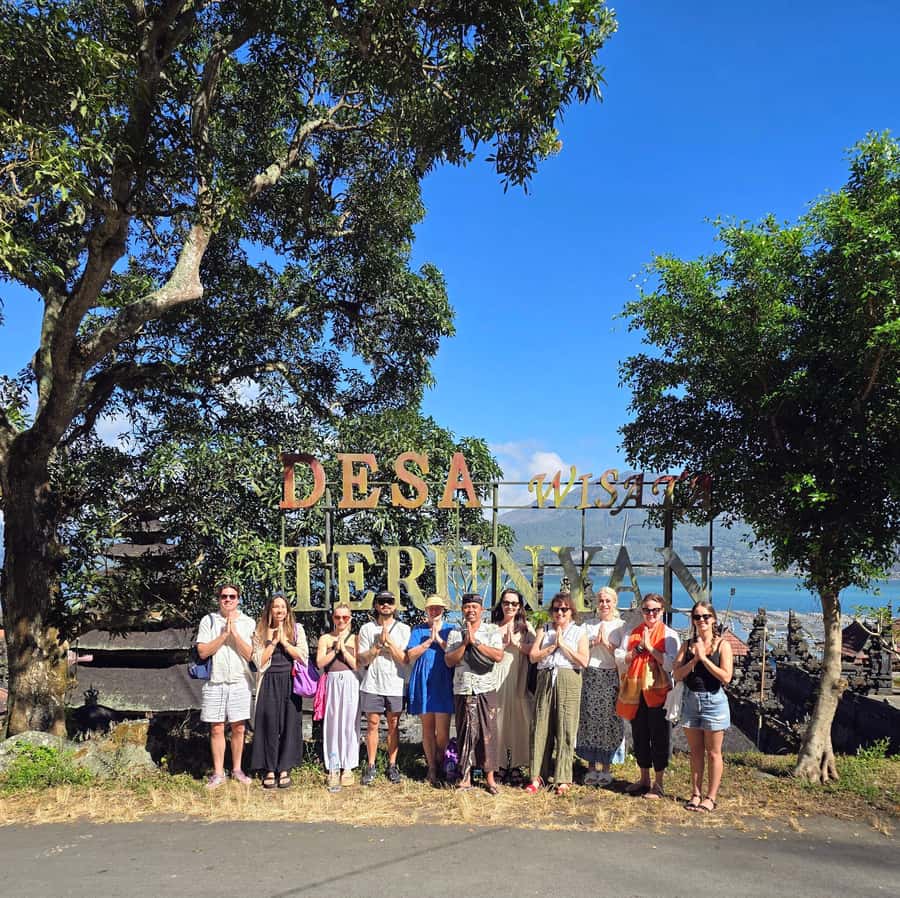
The tour involves a car journey, a boat ride, and a short walk. It is not presented as a hiking tour, but you still need shoes that are comfortable on uneven ground and clothing that suits a village and temple visit.
The drive from southern Bali can take about one and a half hours before the rest of the route. From Ubud, the stated drive is about one hour, followed by the trip from Penelokan toward Trunyan. You should allow room in your day for road conditions and the boat transfer.
The tour is not suitable for wheelchair users, pregnant women, people with epilepsy, or people over 75 years. Those restrictions matter because of the boat ride, walking, and general access conditions. If you have another mobility or health concern, ask the provider before reserving.
Bring a camera if you want one, but bring the right attitude too. Comfortable clothes and shoes are listed as essentials. A respectful, covered outfit is a sensible choice for a temple and cemetery visit, even though a specific dress code is not provided.
Who should book this experience?
I would recommend Trunyan Cemetery to you if you have already seen Bali’s famous temples and want a more unusual look at island culture. It suits people who enjoy local traditions, difficult questions, and places that do not fit a polished sightseeing script.
It also suits you if you want a guide who can explain a custom from personal experience. Yansu’s connection to the village is especially useful here, since the cemetery is impossible to understand fully from photographs alone.
This is less suitable for a family seeking a cheerful, easygoing day out. Children are not specifically discussed in the provided information, so you would need to judge their comfort with seeing human remains. Anyone who feels uneasy around death, bones, or open-air burial should choose another Bali excursion.
The experience can also be a good match for repeat visitors. Bali’s well-known attractions are beautiful, but they can give you a narrow view of the island. Trunyan shows a quieter and more distinct side of Bali Aga life.
Practical timing and booking advice
The experience has a meeting point at the Trunyan boat jetty, while hotel pickup and drop-off are included in the transport arrangements. Confirm the pickup details when you reserve so you know how the hotel transfer connects with the jetty meeting point.
The temple may close during a special time in the Balinese calendar. This is the main schedule issue to check in advance. A temple closure does not necessarily erase the value of the village and cemetery visit, but it can change the itinerary.
You can reserve now and pay later, which helps if your Bali plans are still shifting. Cancellation is allowed up to 24 hours in advance for a full refund. Those terms are useful for a trip with several moving parts, especially if you are not yet sure which day you will spend in the Kintamani area.
My call: book it if you want culture with some weight
Book this tour if you want to see a side of Bali that is traditional, personal, and not easy to reach independently. The combination of Penelokan’s volcano view, the boat ride, Pancering Jagat Trunyan, and the cemetery gives the day a clear sense of place.
The main question is not the price. It is your comfort with the subject. You will see human remains, and the visit deserves quiet attention rather than casual sightseeing. If that feels appropriate to you, the $35 cost is good value, particularly because the guide, transport, tickets, and boat ride are included.
Skip it if you want a relaxed temple loop, a food-focused outing, or an activity without difficult images. Choose it if you want to understand why Trunyan’s families follow a burial practice found nowhere else in Bali’s usual tourist circuit.
FAQ
Where is Trunyan Cemetery?
Trunyan Cemetery is in Trunyan Village beside Lake Batur, in the Kintamani crater area of north central Bali.
How do I reach Trunyan Cemetery?
The experience includes an air-conditioned car transfer and a return boat ride from the Trunyan boat jetty. Hotel pickup and drop-off are also included.
How long does the drive take?
The drive takes about one hour from Ubud and about one and a half hours from southern Bali. From Penelokan, it takes about 30 minutes to reach the main village area of Trunyan.
Will I see human remains?
Yes. The cemetery contains bodies placed in bamboo cages beneath the Taru Menyan tree, and the tour specifically advises you to know that you will see human remains.
Who guides the experience?
The tour is guided by local people from Trunyan. Yansu, who grew up in the village, leads visitors to his family’s cemetery and explains the local customs. The available guiding languages are English and Indonesian.
Is the temple always open?
No. The main temple may be closed during a special time in the Balinese calendar, including a possible annual closure period.
What is included in the $35 price?
The price includes hotel pickup and drop-off, an air-conditioned minivan, entry tickets, a local tour guide, and the return boat ride. Food, drinks, documentation, and personal expenses are not included.
Recently added around Kintamani
- Sunrise Jeep Tour Mount Batur & Hot Spring (Private Tour)★ 3.4 · 3 reviews
- Bali: Sunrise Mount Batur ATV Off Road Experience★ 5.0 · 3 reviews
- Bali : Highlight of Ubud Culture, Temple and Batur Volcano★ 5.0 · 3 reviews
- Jeep sunrise mount batur&black lava★ 3.3 · 3 reviews
- Bali: Batur Sunrise and Tour Options★ 5.0 · 3 reviews
- Mount Batur 4WD Jeep Sunrise Tour kintamani★ 5.0 · 4 reviews
- Bali: Caldera Sunrise Trek and Natural Hot Spring★ 4.8 · 4 reviews
- Central Bali: Ubud Village, Rice Terrace, and Kintamani Tour★ 5.0 · 4 reviews
Kintamani Tours, compared.
Mount Batur Sunrise Trek With Guide and Breakfast
Read our review →
Mount Batur Shared Jeep Sunrise & Hot Spring Tour
Read our review →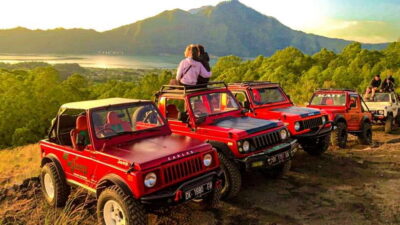
Shared Mount Batur Jeep Sunrise with Hot Springs
Read our review →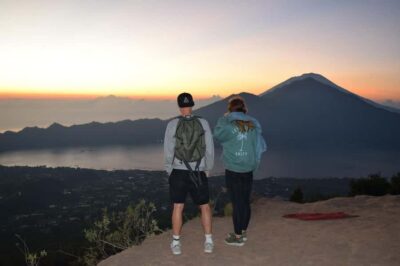
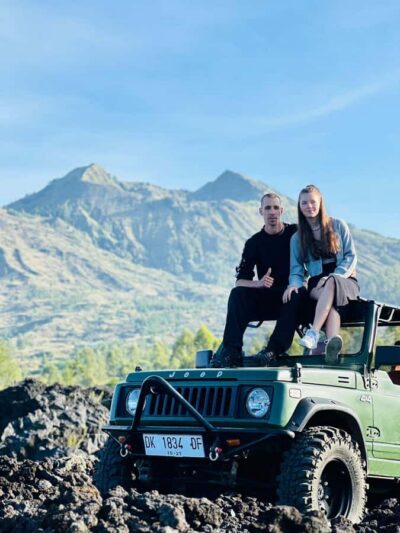
Shared Mount Batur Sunrise Jeep Tour with Hot Springs
Read our review →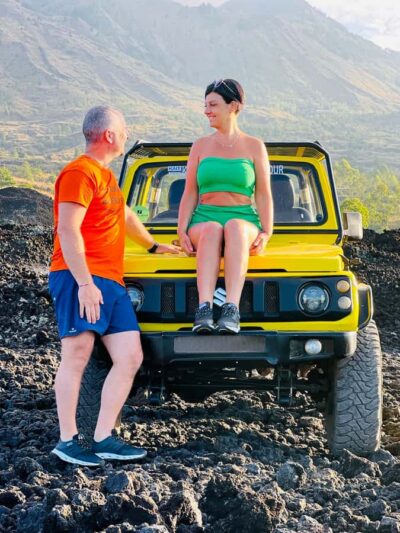
Day/Sunset Mount Batur 4WD Jeep and Natural Hot Spring
Read our review →
Sunset Mount Batur Jeep and Hot Spring All Inclusive
Read our review →Browse the lists this tour appears in