
Reviewed · EAST BALI TOURS
Mount Rinjani 3D/2N Full Mt Rinjani Summit
Mount Rinjani is not a gentle mountain walk. It is a serious three-day climb with an early summit push, loose volcanic ground, steep crater trails, and two nights in tents. The reward is a sunrise from 3,726 meters, followed by views of Segara Anak Lake, Mount Agung in Bali, and the Gili Islands.
I like the route because it gives you two very different sides of Rinjani. The Sembalun approach crosses wide grass savanna, while the descent to Senaru runs through thicker tropical forest. I also like the well-planned support: guides, porters, meals, tents, sleeping gear, head lamps, and drinking water are included.
The main catch is the pace and effort. Day two begins around 3 a.m. and includes the summit, the crater lake, hot springs, and another steep climb to the Senaru rim. This trip suits fit hikers who can handle long mountain days, not anyone looking for a relaxed nature outing.
In This Review
- Key points at a glance
- Why the summit route is worth the hard work
- Day one: Sembalun savanna to 2,639 meters
- Day two: sunrise at 3,726 meters
- From Segara Anak to Senaru Crater Rim
- Day three: four to five hours down to Senaru
- What the $224 price really covers
- Food, guides, and the working team
- Who should book this trek
- Booking details worth checking first
- Should you book Mount Rinjani in three days?
- FAQ
- How long is the Mount Rinjani trek?
- Where does the trek begin?
- Where does the trek finish?
- What is the highest point reached?
- Is food included?
- Is camping equipment included?
- What languages are available?
- What should I bring myself?
Key points at a glance
- 3,726-meter summit sunrise: Start around 3 a.m. for the hardest climb and the best chance of reaching the top before sunrise.
- Two crater rims, two views: Camp first at Sembalun Crater Rim, then at Senaru Crater Rim, with each side offering a different angle over the volcano.
- Segara Anak and hot springs: Descend into the crater for lunch beside the lake and a short soak in the hot springs.
- Sembalun’s open savanna: The first day begins across broad grassland, with long uphill stretches and little shade.
- Porter-supported camping: Porters carry cooking and camping equipment, while food, water, tents, mattresses, sleeping bags, and head lamps are supplied.
- Small-group format: The group is limited to 10 people, with English and Indonesian available and hotel pickup included in Senaru or Sembalun.
Why the summit route is worth the hard work
The classic appeal of this trek is the sequence. You do not simply walk up and back down the same trail. You approach through Sembalun, climb to the eastern crater rim, make the summit attempt before dawn, descend to the crater lake, climb back to the opposite rim, then finish through the Senaru forest.
That variety matters. On the first day, Rinjani feels broad and open. On the second, it becomes a volcanic test of balance and stamina. On the last morning, the forest gives you shade and a softer finish, although your legs will already be tired.
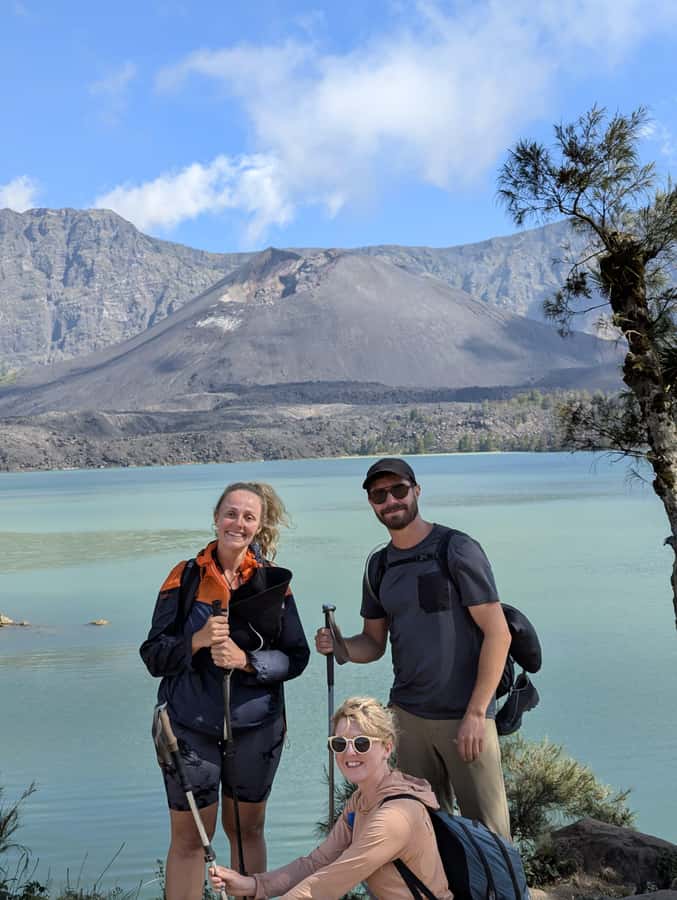
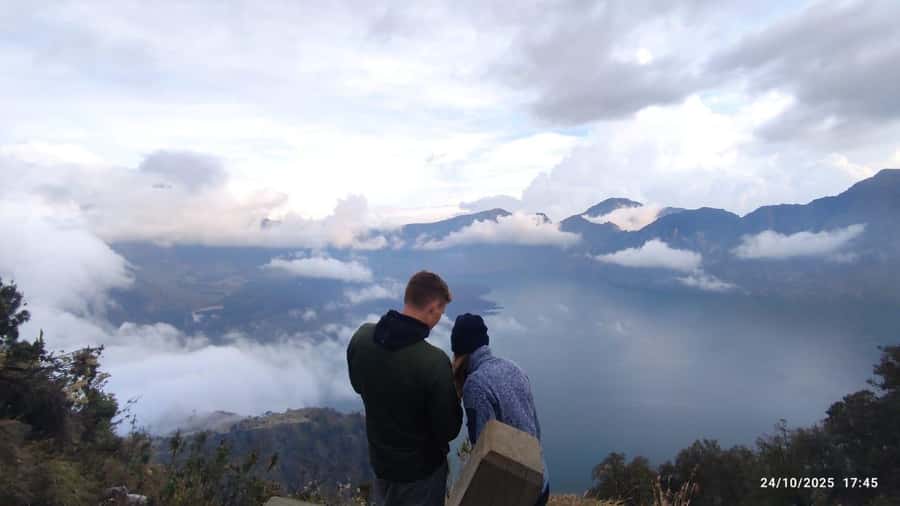
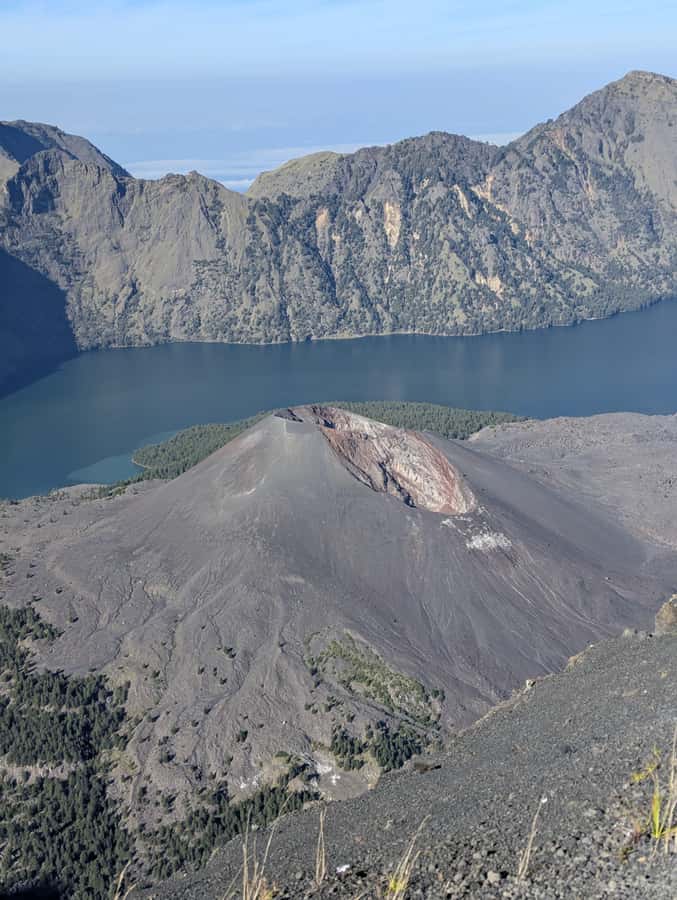
The views are the strongest reason to choose this three-day plan. From the Sembalun rim, you can see Lake Segara Anak below, the summit ahead, and the northern parts of Lombok. From the Senaru rim, you look back across the lake toward the summit and the smaller volcanic cone called Gunung Baru. Mount Agung in Bali and the Gili Islands may also be visible from this high point.
You should not book this trek only for a photograph. The views are excellent, but getting to them takes real work. The summit trail is especially demanding because the climb begins in darkness, after a night at altitude, and requires a steady pace over steep, rocky ground.
A few more Karangasem Regency experiences worth comparing
- Bali: Blue Lagoon Beach Snorkeling Tour with Lunch
★ 4.5 · 426 reviews - Bali/Amed: Underwater Temple Snorkeling Experience
★ 4.8 · 134 reviews - Bali: Snorkeling on 2 spots with Lunch and Transport
★ 4.8 · 123 reviews
Day one: Sembalun savanna to 2,639 meters
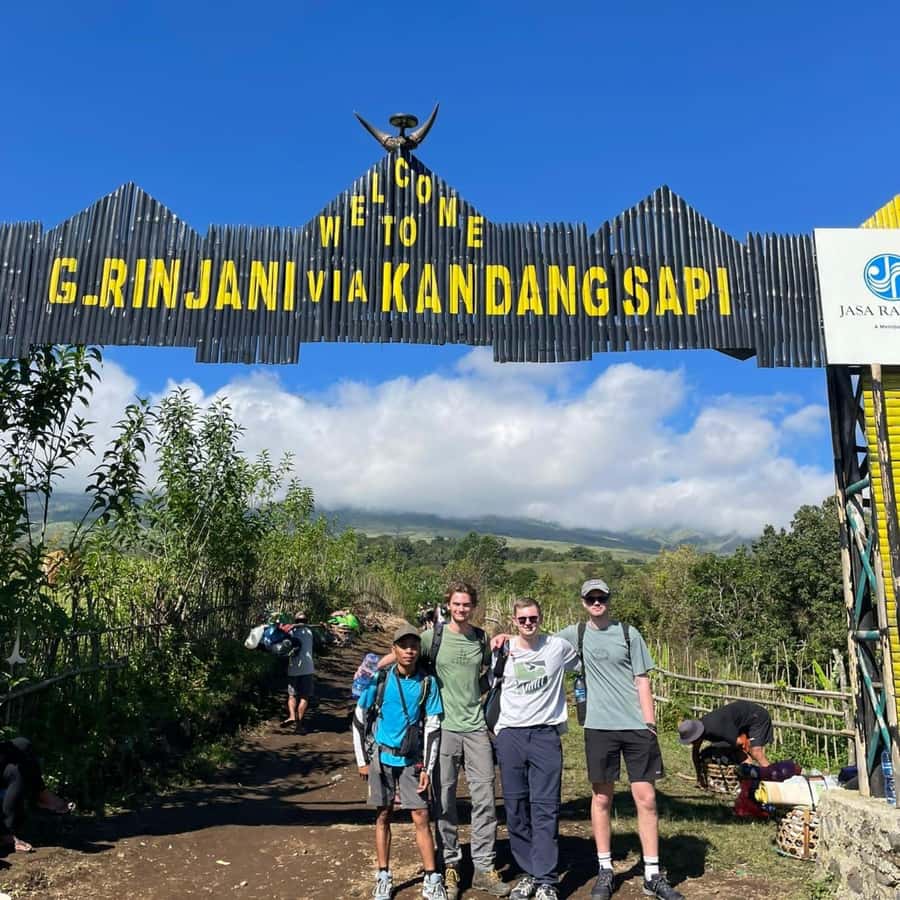
Pickup is scheduled for 7 a.m. from your hotel in Senaru. A 4WD vehicle takes you to Sembalun, where you register at the Rinjani Trek Centre at about 1,156 meters. This transfer is useful because the route begins on the eastern side, while the trek ends in Senaru.
The trail starts across open grassland. You will pass through rolling sections before the route gradually turns uphill. The wide views are attractive, but the openness also means limited shade. Bring sunscreen, a sun hat, sunglasses, and enough water for your personal needs even though drinking water is supplied during the trek.
The usual rest points are Pos 1 and Pos 2. These breaks give you time for snacks and a chance to settle into the pace. At Pos 3, around 1,800 meters, you stop for a longer lunch break before the toughest part of the day.
After lunch, the climb to Sembalun Crater Rim becomes steep. This is where a trekking pole can help, especially on uneven ground. A trekking pole is not included, so bring one if you regularly use it on mountain trails.
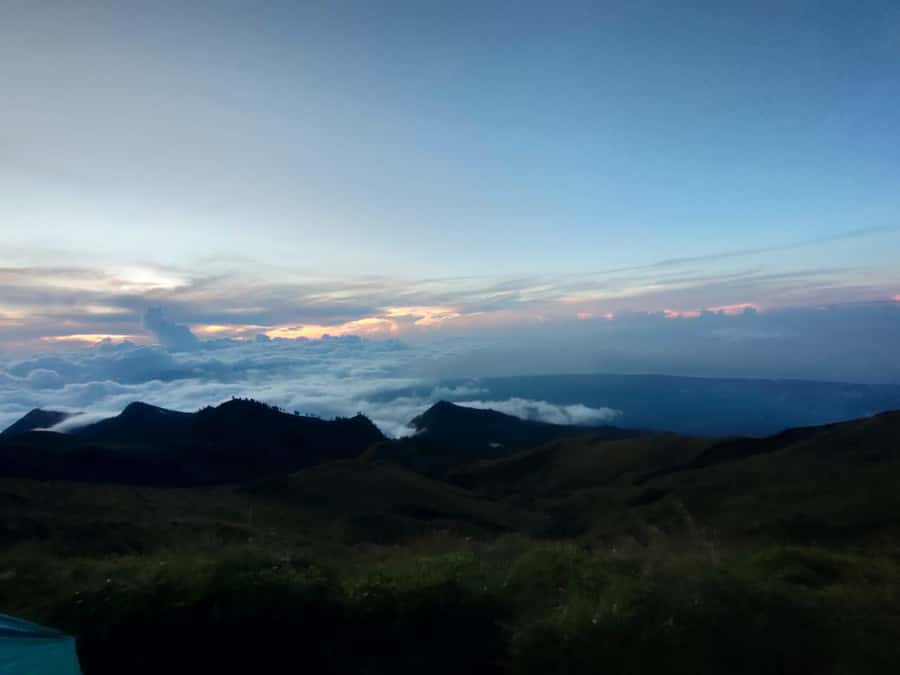
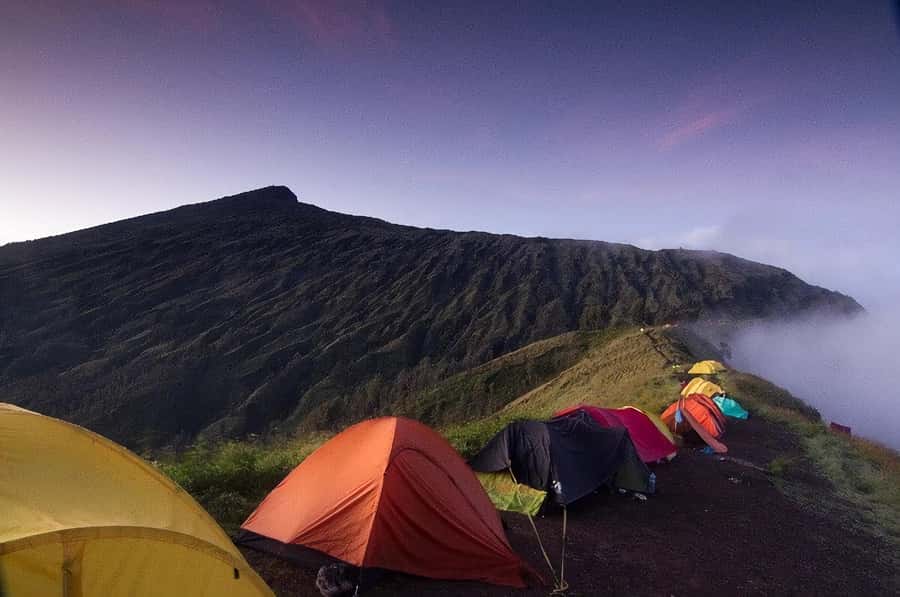
The campsite sits at about 2,639 meters. Your first night is less about comfort than position. You are already high on the mountain and close to the summit route, so the early start on day two is possible. The setting is the payoff: sunset over Segara Anak, the summit of Rinjani, and the northern part of Lombok.
The camping equipment is supplied, including a tent, toilet tent, sleeping bag, mattress, and head lamp. You should still bring warm clothing. The packing list calls for a jacket, gloves, long pants, and rain gear, all sensible choices for a cold and exposed crater rim.
Day two: sunrise at 3,726 meters
The alarm comes around 3 a.m. You have a light breakfast before beginning the summit climb, which is expected to take about three hours. The goal is to reach the top for sunrise.
This section is the trip’s defining challenge. You are climbing in the dark, so your head lamp matters. The trail is steep and rocky, and the height makes every pause useful. The guide will help set the pace, but you should be honest about your energy. A recent outing with guide Anto began at 2:20 a.m. and reached the summit at 5:20 a.m., with the group arriving first. That is a fast pace, not a target you need to copy.
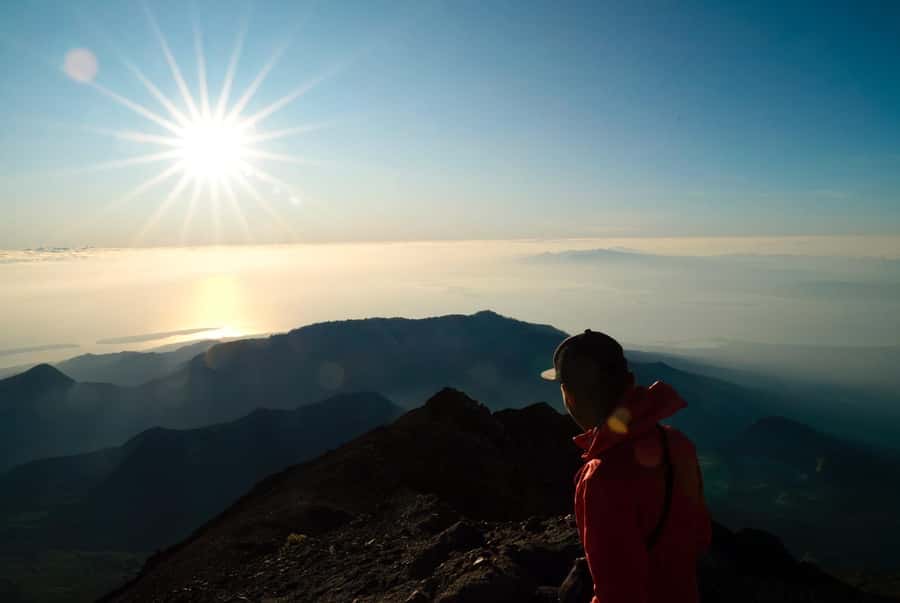
At the summit, the reward is a broad morning view from 3,726 meters. The exact visibility depends on conditions, but the planned highlights include the crater, Segara Anak, Mount Agung in Bali, and the Gili Islands. Bring your camera, but keep it protected from rain and dust. A power bank is also worth packing because there are no charging details supplied for the camps.
After the summit, you return to the Sembalun campsite for a hot breakfast and a rest. This return is important. The day is far from over, and rushing straight into the next descent would make the later sections harder.
You then descend into the crater. The path leads toward Lake Segara Anak, at about 2,000 meters. Lunch is served beside the lake, giving you time to recover before the next section.
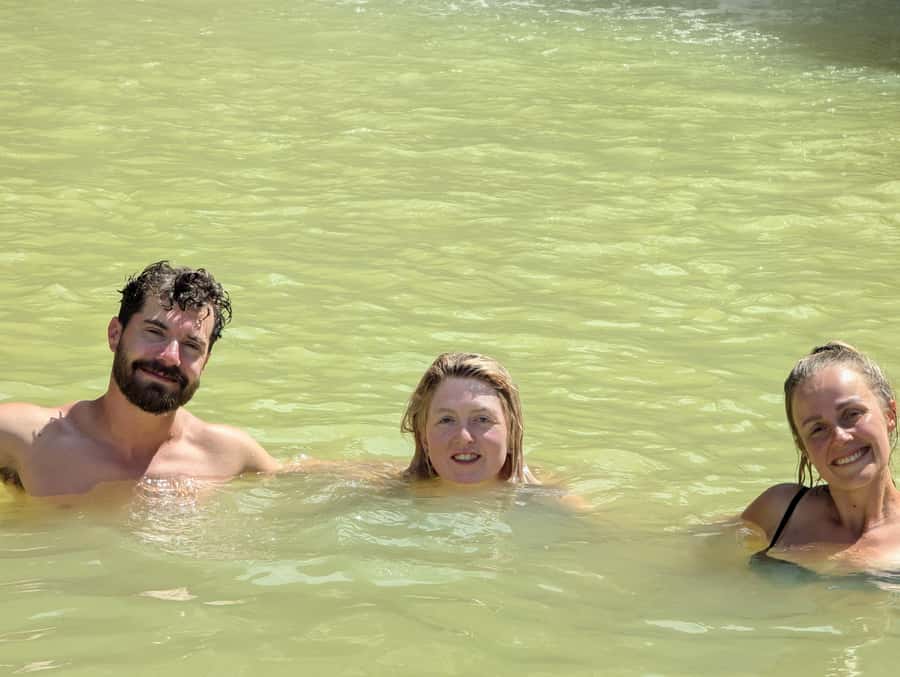
The hot springs are one of Rinjani’s unusual features. You have a chance to swim or soak for a few minutes, but this is not a long spa stop. The itinerary places the hot springs within a demanding day, so treat the water as a short break rather than a full rest period. A small towel and a change of clothing will be useful.
From Segara Anak to Senaru Crater Rim
After lunch, you continue around the lakeshore before climbing out of the crater. The trail becomes steep and rocky again, then passes through dense forest on the way to Senaru Crater Rim.
This is a striking contrast with the open Sembalun grassland. The forest is thicker and more shaded, but the climb remains tiring. You are gaining height again after already completing the summit, a descent, and the lake stop. This is the point where a sensible pace matters more than speed.
Senaru Crater Rim sits at about 2,641 meters. Dinner and camping take place here. The view looks back over Segara Anak toward the summit, with Gunung Baru inside the crater. If conditions are clear, you can also see toward Bali’s Mount Agung and the Gili Islands.
The second camp is valuable because it gives you a different side of Rinjani than the first night. The Sembalun rim is closely tied to the summit sunrise. The Senaru rim is a viewpoint across the crater and a calmer place to end the hard middle day.
The food is another practical strength. The package includes three lunches, two dinners, two breakfasts, tea, coffee, fruit such as bananas and pineapple, and drinking water. Recent trips led by guides including Acip, Anto, and Nas received strong praise for the meals, with particular appreciation for the cooking by the porter teams. On a strenuous trek, adequate food is not a small detail. It affects how well you handle the next climb.
A different pace of day, same stretch of Bali coast:
- Bali: Lempuyang Temple, Tirta Gangga, and Temesi Waterfall …
★ 4.9 · 120 reviews - Bali: Telaga Waja White Water River Guided Rafting & Lunch
★ 4.7 · 88 reviews - East Bali: Lempuyang Temple, Tirta Gangga, and Taman Ujung
★ 4.9 · 35 reviews - Bali: Most Iconic Spot Private Tour (All Inclusive)
★ 5.0 · 24 reviews
Day three: four to five hours down to Senaru
After breakfast, you begin the descent to Senaru. The walking time is listed at about four to five hours, with rest stops at Pos 3, Pos 2, and Pos 1 and a longer break for lunch.
The trail grows thicker and more tropical as you lose height. This final section is less dramatic than the summit climb, but it can be hard on tired knees. Good hiking shoes are essential. They are not included, and ordinary sneakers would be a poor choice for the rocky and uneven sections described on this route.
Arrival in Senaru is expected at about 1 p.m. From there, drop-off is available to Bangsal Harbour, Senggigi, and Mataram. That can make the trek easier to fit into a wider Lombok plan, especially if you are continuing toward the coast or the harbor.
The package also includes luggage storage. That means you can leave larger bags behind and carry only what you need on the mountain. You still need to provide your own small daypack, trekking shoes, rain jacket, long pants, and trekking pole.
What the $224 price really covers
At $224 per person, this is not a bare trail transfer. The cost includes the national park entrance fee, hotel pickup, transport from Senaru to Sembalun, trekking support, camping equipment, meals, water, and post-trek drop-off to several useful destinations.
You also receive a trekking guide and professional porters. The porters carry cooking and camping equipment, which changes the feel of the trip. You still need to walk under your own power, but you are not carrying the tents, cooking gear, and main camp supplies.
The inclusion of a toilet tent, sleeping bag, mattress, and head lamp adds real value. These are the pieces that can make a high-altitude camping trip manageable rather than needlessly uncomfortable. Luggage storage is helpful too, since carrying a large suitcase over a three-day route would be impractical.
There are still personal costs in the form of equipment. You need hiking shoes, a rain jacket, long trousers, and a small pack. The broader packing list also recommends sunscreen, gloves, a jacket, rain gear, a towel, camera, and power bank. Check your gear before booking rather than assuming the supplied camping equipment covers everything.
A 10-person maximum is a reasonable middle ground. You get the structure of a group trip without the scale of a large hiking crowd. The guide languages are English and Indonesian. Recent trips included different guide and porter combinations, including Acip with three porters, Anto with two, and Nas with his team.
Food, guides, and the working team
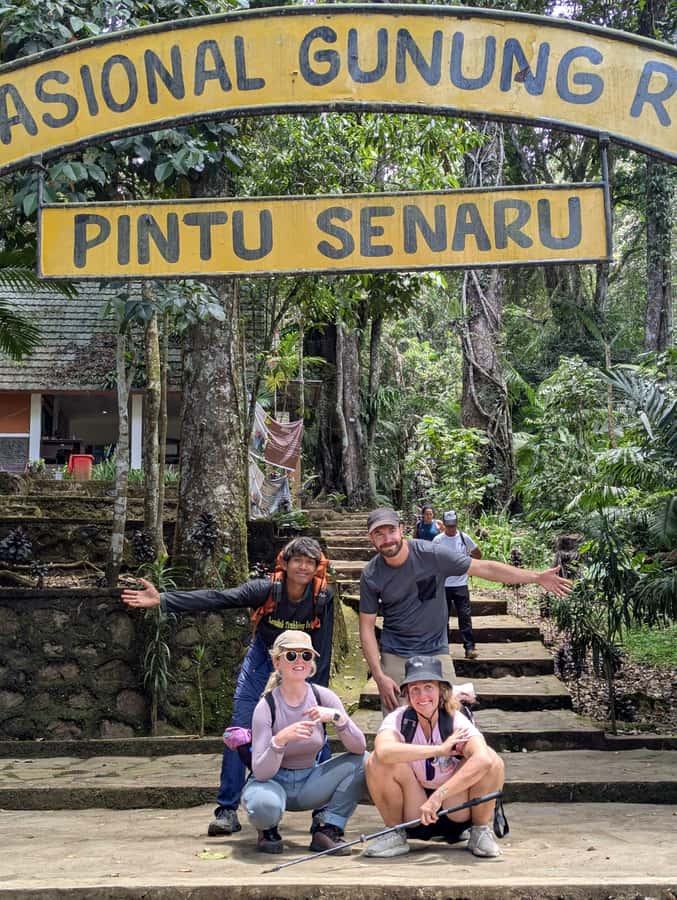
The guides are central to this trip because the schedule has several points where timing and pace matter. You begin before dawn, descend into the crater, climb out again, and need to arrive at the final rim before the second night.
Recent outings with Acip, Anto, and Nas show the sort of support you can expect from the guiding team. Nas adjusted the pace to suit the group, while Anto led a particularly fast summit attempt. These examples suggest that you should tell your guide early if you need shorter breaks or a slower rhythm.
The porter system is practical and visible. Porters carry the cooking gear and camping equipment, then prepare meals at the camps and along the route. You should remember that the included service does not make the mountain easy. It simply lets you focus on walking, eating, drinking, and recovering.
Meals include local-style trek food, fruit, tea, coffee, and water. The food was particularly well received on recent trips, with delicious meals and portions described as sufficient for the effort. I would still carry small personal snacks if you have specific dietary needs, but the supplied information does not confirm special diets, so ask before booking.
Who should book this trek
This route is best for fit adults who are comfortable with long, steep hikes and basic camping. You need to manage an early summit start, uneven ground, cold conditions, and a second long climb on day two.
It is not suitable for children under seven, people over 60, or people with altitude sickness, according to the activity information. Those limits are blunt, but they reflect the demanding schedule. If you have a medical concern, you should check with a qualified professional before booking.
You also need to be comfortable with simple mountain facilities. The package includes a toilet tent rather than a conventional bathroom, and the hot spring stop lasts only a few minutes. This is an outdoor trek with support, not a hotel-based sightseeing tour.
The trip suits you if you want the full Rinjani circuit in a short format. It is less suitable if your priority is a slow pace, private comfort, or a long rest at the lake.
Booking details worth checking first
The activity offers free cancellation up to 24 hours before departure for a full refund, and you can reserve now and pay later. Those policies help if your Lombok schedule is still changing.
Pickup is included, but you should wait at your hotel as instructed and double-check the pickup details before booking. The activity says pickup locations include Senaru and Sembalun, so confirm that your accommodation is covered if you are staying elsewhere.
The listed rating is 4.9 from four reviews. The strongest praise centers on three things: kind and helpful guides, capable porters, and good food during a physically hard trek. Those are exactly the areas that matter most on Rinjani, though a small number of ratings cannot tell you how every departure will run.
Do not bring alcohol or drugs. Pack your passport, sunglasses, sun hat, towel, camera, sunscreen, jacket, rain gear, gloves, long hiking trousers, binoculars if you use them, trekking equipment, and power bank.
Should you book Mount Rinjani in three days?
Book it if you want the summit sunrise, crater lake, hot springs, two rim camps, and a supported route from Sembalun to Senaru. The $224 price is strong for the amount of equipment, food, transport, guiding, and porter support included.
Think twice if you dislike early starts, steep descents, basic camping, or long days on rocky trails. The summit is only one part of the effort. Day two also includes the lake and the climb to Senaru Crater Rim, which may be the hardest full day of the trip.
My practical advice is simple: prepare your shoes, rain gear, warm layers, and daypack before you arrive. If you can accept the work and want Rinjani’s most complete short itinerary, this is a well-supported way to see the mountain from both sides.
FAQ
How long is the Mount Rinjani trek?
The trek lasts 3 days and 2 nights.
Where does the trek begin?
The trek begins in Sembalun after pickup from your hotel in Senaru and transport by 4WD vehicle. You register at the Rinjani Trek Centre before starting the walk.
Where does the trek finish?
The trek finishes in Senaru at about 1 p.m. on day three. Drop-off is available afterward to Bangsal Harbour, Senggigi, and Mataram.
What is the highest point reached?
The route reaches the summit of Mount Rinjani at 3,726 meters.
Is food included?
Yes. The package includes three lunches, two dinners, two breakfasts, tea, coffee, fruit such as bananas and pineapple, and drinking water during the trek.
Is camping equipment included?
Yes. A tent, toilet tent, sleeping bags, mattresses, and head lamps are included. Porters carry the cooking gear and camping equipment.
What languages are available?
The tour offers live guides in English and Indonesian.
What should I bring myself?
Bring a small daypack, hiking shoes, rain jacket, long pants, trekking pole, passport, sunglasses, sun hat, towel, camera, sunscreen, jacket, rain gear, gloves, hiking pants, binoculars if desired, and a power bank.
Recently added around Karangasem Regency
- Bali: Gate Of Heaven and Water Palace Tirta Gangga Package★ 4.7 · 3 reviews
- Bali:Heaven Gate, TirtaGangga Palace, and Beach Escape Tour★ 5.0 · 3 reviews
- Blue Lagon Snorkeling, Waterfall, and Celuk Village Tour★ 5.0 · 3 reviews
- Lempuyang Temple: Gate of Heaven★ 5.0 · 3 reviews
- Bali: Sidemen silver class experience★ 5.0 · 3 reviews
- Bali: Mount Agung Sunrise Trekking Tour with Hotel Pickup★ 5.0 · 3 reviews
- The Gate of Heaven Tour by VW Safari Classic Car★ 3.7 · 3 reviews
- Bali: Private Snorkeling Trip to Blue Lagoon & Tanjung Jepun★ 4.3 · 3 reviews
East Bali Tours, compared.
Lempuyang Quick Access, Waterfall, Water Palace & More
Read our review →
Open Water Course in Tulamben – Get Certified in Bali
Read our review →
Bali Diving for Beginners: Tulamben Liberty Wreck
Read our review →
Discover Scuba Diving in Tulamben – Diving Initiation in Bali best diving sites
Read our review →
Advanced Open Water Course – Advanced Certification in Tulamben
Read our review →Browse the lists this tour appears in