
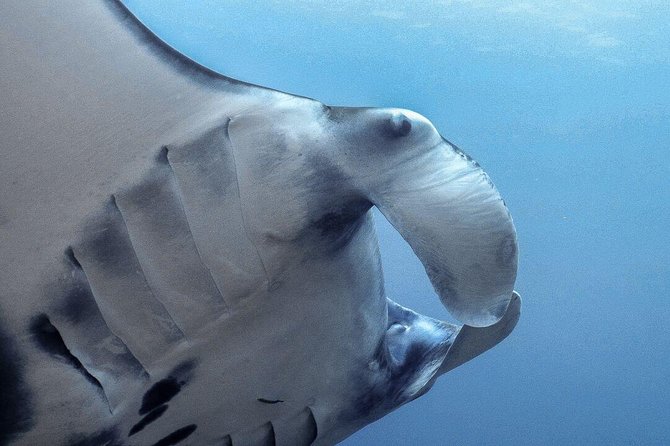
Reviewed · SCUBA DIVING
Advanced Open Water Course – Advanced Certification in Lembongan (next to Bali)
Crystal Bay, Manta Point, and Toyapakeh give this two-day SSI course a serious sense of place. You are not sitting through another long classroom program. You spend most of your time building practical skills in the sea, including deep-water planning, compass work, and three specialties you choose with your instructor.
I like the small maximum group of five, which leaves room for close supervision. I also like the friendly, patient teaching style repeatedly associated with instructors including Kaka, Sara, Silvère, Hugo, and Valentin. The main caution is that this is a real physical activity, and conditions can affect the schedule. You must already hold Open Water certification and have moderate fitness.
In This Review
- Key points to know before booking
- Why this course is a useful next step
- What the five sessions actually teach you
- Crystal Bay and the Nusa Penida coast
- Mangrove Point and the value of navigation practice
- Toyapakeh brings variety to the schedule
- Jungut Batu Beach and the practical home base
- Instructors and the teaching style
- Equipment, group size, and personal comfort
- Is $431.28 a fair price?
- Timing, weather, and cancellation
- Who should book this course?
- Should you book the Nusa Lembongan Advanced Open Water course?
- FAQ
- Do I need Open Water certification first?
- How long does the course take?
- How deep can I train during the course?
- What equipment is included?
- Where does the course start and finish?
- What happens if bad weather cancels the course?
Key points to know before booking
- Five training sessions in two days: The course combines a deep-water session, navigation practice, and three specialties.
- Certification to 30 meters: SSI certification lets you train for depths up to 100 feet, or 30 meters.
- Choose specialties with your instructor: Options include photography, buoyancy control, fish identification, and wreck exploration.
- Small groups matter: The maximum of five people allows more direct attention during skills practice.
- Convenient base in Jungutbatu: Wi-Fi, lockers, showers, toilets, changing space, and a restaurant are available at the center.
- The price includes the main equipment: Your mask, snorkel, fins, buoyancy jacket, regulator, instruments, wetsuit, and weights are supplied.
Why this course is a useful next step
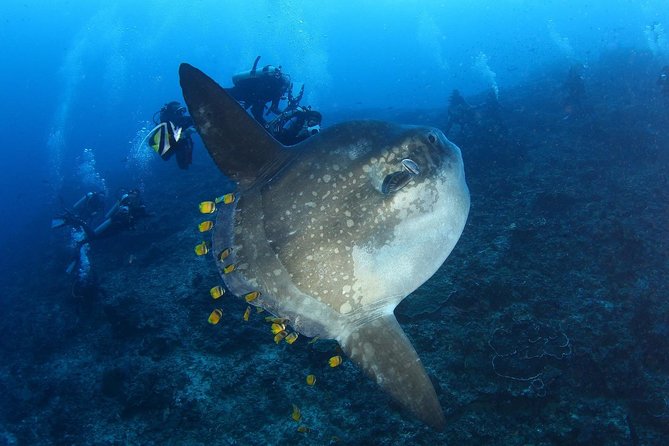
The Advanced Open Water qualification is designed for people who have already completed the basic Open Water course and want more range without signing up for a highly academic program. The theory is lighter and more practical. You still learn the reasons behind each skill, but the emphasis is on planning, control, and supervised experience.
That makes the course a good follow-up if your first certification left you eager for more but not fully confident. You practice at greater depth, improve your sense of direction, and try several areas of special interest. The goal is not simply to collect another card. It is to help you make better choices before, during, and after each session.
You work with an instructor to choose three specialties from a longer list. The available themes include photography, buoyancy control, fish identification, and wreck exploration. The exact mix should match your interests and the conditions on the day, so discuss your priorities before the schedule is fixed.
I especially like this structure for newer certified participants. You get variety without committing to a separate specialty course in each subject. At the same time, you should keep your expectations realistic. Advanced Open Water does not turn you into an expert. It gives you more tools and supervised practice.
More Diving Trips in Nusa Lembongan
- Open Water Course in Nusa Lembongan – Get Certified on remote island (next Bali)
★ 5.0 · 864 reviews - 2 Days Discover Scuba Diving in Nusa Lembongan – Scuba Initiation
★ 5.0 · 506 reviews - 5 Fun Dives in Nusa Lembongan (for certified divers) – Swim with a Mola Mola
★ 5.0 · 205 reviews
What the five sessions actually teach you
The first required component focuses on greater depth. You learn how to plan a deeper session and consider the physical effects and challenges that come with going down to 30 meters.
That training is valuable because depth changes more than the number on your gauge. You need to think carefully about air use, timing, comfort, and how your body responds. The course gives you a controlled setting in which to discuss those factors and work through them with professional supervision.
The second required component is underwater navigation. You refine compass use, then combine it with kick cycles, visual landmarks, and elapsed time. This is one of the most useful skills in the course because it helps you understand where you are rather than simply following another person.
The remaining three sessions are where you can shape the course around your own interests. Buoyancy control can help you move with less effort and avoid disturbing the bottom. Fish identification gives you a clearer purpose during a reef visit. Photography adds a creative challenge, though it also demands steady buoyancy and careful awareness of your surroundings.
Wreck exploration is another possible theme. The information provided does not specify which wreck site is used, so ask the center what is available during your dates. Conditions, site access, and your instructor’s plan will affect the final choice.
Crystal Bay and the Nusa Penida coast
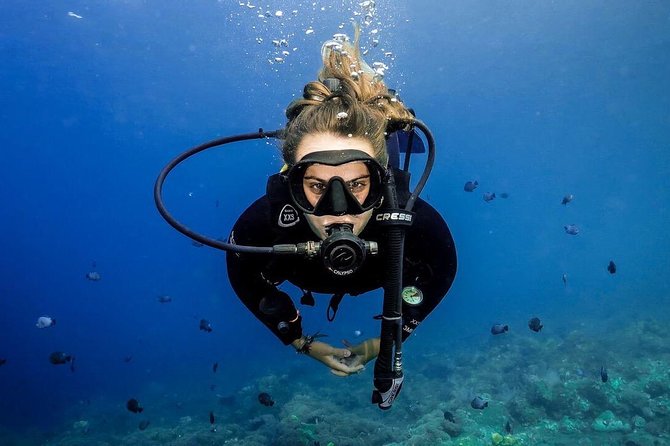
Crystal Bay is one of the listed stops, and its name gives you a clue about its appeal: visibility can make it a rewarding place to work on skills and observe marine life. Still, visibility is never guaranteed, and the quality of the experience depends on sea conditions and the day’s plan.
For a student, the key question is not just how scenic the site is. You need enough space and calm enough conditions to perform the required exercises properly. Your instructor will decide how the training fits the site, so treat the location as part of the learning environment rather than a guaranteed wildlife show.
Manta Point is another stop on the route. The possibility of seeing manta rays adds excitement, but you should not book this course on the promise of a particular animal encounter. The course is first a certification program. Marine life is an important bonus, not the measure of whether you completed the training well.
Crystal Bay and Manta Point can also involve changing sea conditions. If you are prone to seasickness, ask practical questions before booking, especially about the boat arrangements and how much time you will spend on the water. The supplied information confirms the sites, but it does not give a detailed boat schedule.
Mangrove Point and the value of navigation practice
Mangrove Point at Nusa Lembongan is listed as one of the five stops. A location such as this can be especially useful for navigation exercises because the lesson is built around observation, direction, timing, and controlled movement.
You will work with your compass, count kick cycles, use visual landmarks, and track time. Those tasks sound simple on land. They become more demanding when you are managing breathing, buoyancy, equipment, and a buddy at the same time.
That is why I consider navigation one of the course’s most practical elements. A scenic reef is enjoyable, but the ability to find your way and keep a better mental map of a site can improve future outings in a lasting way.
Do not expect every session to feel relaxed and sightseeing-focused. Skills take concentration. The course works best when you accept that some of your time will be spent repeating techniques rather than simply looking at fish.
More Nusa Lembongan trips:
- From Lembongan: Kayak/Paddleboard/Boat Mangrove Tour
★ 4.4 · 200 reviews - From Lembongan: Snorkeling 3 Spots, Mangrove and Land Tour
★ 4.6 · 143 reviews - 7 Fun Dives in Nusa Lembongan (for certified divers) – Premium Value Package
★ 5.0 · 118 reviews - Open Water + Advanced Course – Premium Certifications Package in Nusa Lembongan
★ 5.0 · 66 reviews
Toyapakeh brings variety to the schedule
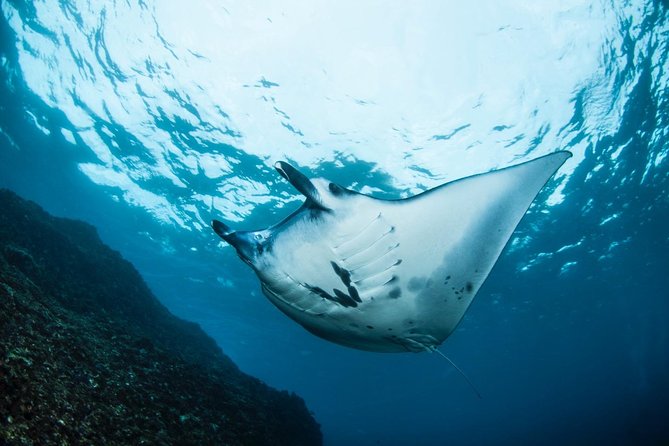
Toyapakeh is also included in the planned route. It gives the course another setting for practical work and marine observation, though the supplied details do not specify which specialty is assigned there.
This is a useful reminder that the itinerary is not a fixed sightseeing circuit. The instructor may match a site to a skill, your chosen specialties, and the conditions. You may visit several locations, but the order and exact training plan can change.
The variety is one of the strongest reasons to choose this program instead of repeating basic training at one familiar site. You get to test your comfort in different settings and discover which parts of scuba appeal to you most.
The tradeoff is that you should remain flexible. If a site or specialty changes because of weather, the course may still be successful, even if it does not match your initial wish list exactly.
Jungut Batu Beach and the practical home base
Jungut Batu Beach is the final listed stop, and the center itself is in Jungutbatu, Nusa Lembongan. The activity starts and ends at Dive Concepts Lembongan, located in the Jungutbatu area.
The facilities are a real advantage during an intensive two-day course. You have access to Wi-Fi, lockers, toilets, showers, and a changing room. These basics matter when you are handling wet equipment, changing between sessions, and trying to keep your valuables secure.
A restaurant is available, but meals are not included in the price. Accommodation is also separate. Dormitory beds and bungalows are available at the center, which may simplify your stay, but you should confirm the current rates and availability directly.
Because the program lasts about two days, staying nearby can save time and reduce the stress of arranging transport between sessions. If you already have accommodation elsewhere on Lembongan, plan your morning arrival carefully. The center is open from 8 a.m. to 8 p.m., Monday through Sunday, during the stated operating period.
Instructors and the teaching style
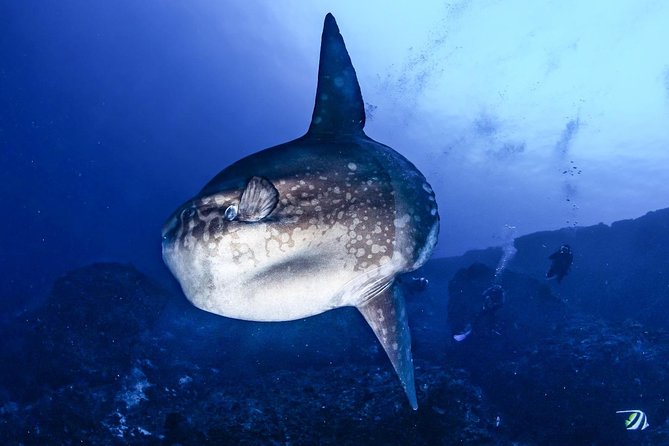
The strongest feature of this course is the amount of personal attention you can receive in a group of no more than five. The instructors named in the available feedback include Kaka, Sara, Silvère, Hugo, and Valentin.
Kaka is associated with detailed skills teaching, a warm manner, and a fun approach. Sara is described as professional and enjoyable to work with. Silvère is noted for patience and for helping newer participants feel safe and confident. Hugo is associated with careful instruction, especially during a quiet low-season period. Valentin is praised for calm, attentive supervision.
You should not assume you can request a particular instructor, since availability may change. Still, if you have a specific concern, such as anxiety at depth, navigation nerves, or a preference for photography, tell the center before the course begins.
The best instructors do more than demonstrate a skill. They watch your technique, notice where you are losing control, and explain how to correct it. That is especially important in an advanced course, where small habits from your first certification become easier to spot and improve.
Equipment, group size, and personal comfort
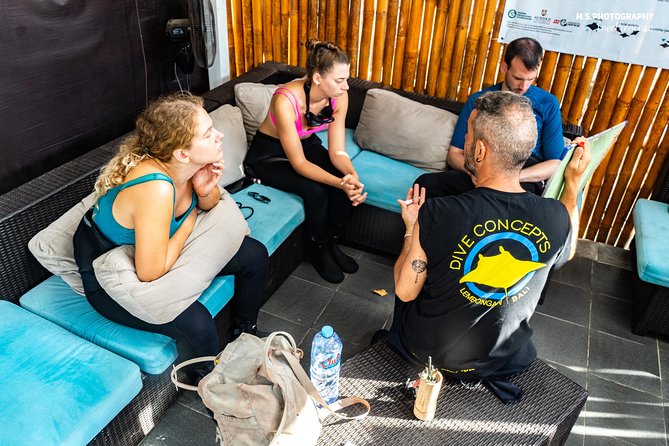
The course supplies the main equipment: mask, snorkel, fins, buoyancy control jacket, regulator, other instruments, wetsuit, and weight belt. That is convenient and makes the $431.28 price easier to assess, since you do not need to rent the basic kit separately.
You should still check the fit of everything before leaving the center. A mask that leaks or a wetsuit that feels wrong can distract you from the actual lesson. Take a few minutes to tell the staff if something does not feel right.
The maximum group size of five is another point in the price calculation. In a larger class, you may spend more time waiting for a turn or trying to catch an instructor’s attention. Here, the group limit gives the instructor a better chance to observe each person.
The course requires moderate physical fitness. You need to handle equipment, manage yourself in the sea, and remain focused through several training sessions. If you have concerns about fitness or medical suitability, ask the operator before booking rather than waiting until arrival.
Is $431.28 a fair price?
At $431.28 per person, this is not a cheap add-on to a beach holiday. It is a two-day professional certification course that includes an instructor, five training sessions, and the necessary equipment.
The value comes from the combination of formal SSI certification and practical variety. You are not paying only for access to a boat or a scenic location. You are paying for guided instruction in deep-water planning, navigation, and three specialties, with equipment and center facilities included.
The price looks strongest if you are already in Nusa Lembongan and want to continue your training without buying personal gear. It also makes sense if you value a small class and want an instructor who can spend time correcting your technique.
It is less attractive if you want a simple sightseeing outing, do not need certification, or are hoping for a guaranteed manta encounter. Digital photos and videos cost extra, and neither food nor accommodation is included, so add those expenses to your budget.
Timing, weather, and cancellation
Confirmation arrives within 48 hours of booking, subject to availability. The course operates daily from 8 a.m. to 8 p.m., but the two-day training schedule should be confirmed with the center.
Good weather is required. If conditions force cancellation, you are offered another date or a full refund. You can also cancel for a full refund if you do so at least 24 hours before the start time. Cancellations or changes made inside that 24-hour window are not refunded or accepted.
That policy is worth noting when planning flights, ferries, or a short stay on the island. Leave enough flexibility in your itinerary so a weather change does not disrupt your entire trip.
Who should book this course?
This course suits you if you already hold Open Water certification and want a guided step toward more confident scuba outings. It is particularly good for someone who wants to try several specialties before paying for a longer series of separate courses.
It also suits solo participants. A small group and attentive instruction can make the experience feel more personal, even when you arrive without a companion. The center’s facilities and available accommodation may make it easy to base yourself nearby for the two days.
You may want a different option if you are not comfortable in open water, have limited physical fitness, or want a purely recreational outing with no skills work. This is still training, even if the classroom burden is lighter than during Open Water certification.
Should you book the Nusa Lembongan Advanced Open Water course?
I would book it if your Open Water certification is current, you want more confidence, and the chance to choose specialties appeals to you. The mix of 30-meter training, navigation, marine life, and varied sites gives the two days a clear purpose.
The strongest reasons to choose it are the small group limit, included equipment, useful navigation practice, and the patient teaching style linked with instructors such as Kaka, Sara, Silvère, Hugo, and Valentin. Before paying, confirm your preferred specialties, accommodation needs, and the likely schedule for Crystal Bay, Manta Point, Mangrove Point, Toyapakeh, and Jungut Batu Beach.
Skip it if you mainly want guaranteed wildlife sightings or a relaxed boat trip. Choose it if you want a proper next step after Open Water, with enough variety to help you decide where your underwater interests lie.
FAQ
Do I need Open Water certification first?
Yes. You must already be Open Water certified before starting this Advanced Open Water course.
How long does the course take?
The course lasts approximately two days and includes five training sessions.
How deep can I train during the course?
The SSI certification qualifies you to train for depths up to 100 feet, or 30 meters.
What equipment is included?
The center provides a mask, snorkel, fins, buoyancy control jacket, regulator, other instruments, wetsuit, and weight belt.
Where does the course start and finish?
The course starts at Dive Concepts Lembongan in Jungutbatu, Nusa Lembongan, and ends back at the same meeting point.
What happens if bad weather cancels the course?
If poor weather causes cancellation, you can choose another date or receive a full refund.
More Dive Trips off Nusa Lembongan
- 2 or 3 dives in Nusa Lembongan and Penida, for certified diver (in Lembongan)
★ 5.0 · 28 reviews - Try Diving in Nusa Lembongan – Penida. For beginners (with 2 ocean dives)
★ 5.0 · 20 reviews - Open Water Course in Tulamben – Get Certified in Bali
★ 5.0 · 495 reviews - Bali Diving for Beginners: Tulamben Liberty Wreck
★ 5.0 · 367 reviews
Recently added around Nusa Lembongan
- Gong Sound Healing on Nusa Lembongan, Bali★ 5.0 · 3 reviews
- Lembongan : Fully enjoy! Snorkeling, Sightseeing /1day tour★ 5.0 · 3 reviews
- From Lembongan: Nusa Penida Private Snorkeling Tour★ 5.0 · 3 reviews
- Nusa Lembongan: Mangrove Kayak or Paddleboard Adventure★ 3.7 · 3 reviews
- private daytour nusa lembongan & nusa ceningan★ 4.5 · 3 reviews
- Nusa Penida Private Car Charter★ 5.0 · 4 reviews
- Lembongan Day Cruise: Activities in Lembongan★ 4.4 · 4 reviews
- Bali : Full Day Nusa Lembongan – Snorkeling Tour★ 3.1 · 5 reviews
Scuba Diving, compared.
Open Water Course in Nusa Lembongan – Get Certified on remote island (next Bali)
Read our review →
2 Days Discover Scuba Diving in Nusa Lembongan – Scuba Initiation
Read our review →
Open Water Course in Tulamben – Get Certified in Bali
Read our review →
Bali Diving for Beginners: Tulamben Liberty Wreck
Read our review →
Discover Scuba Diving in Tulamben – Diving Initiation in Bali best diving sites
Read our review →
5 Fun Dives in Nusa Lembongan (for certified divers) – Swim with a Mola Mola
Read our review →
Padangbai Blue Lagoon Beginner’s Dive Experience
Read our review →
Nusa Penida Two Dives Trip for Certified Divers
Read our review →Browse the lists this tour appears in