
Reviewed · BLUE LAGOON SNORKELING
Bali: Padangbai Blue Lagoon Beginner’s Dive Experience
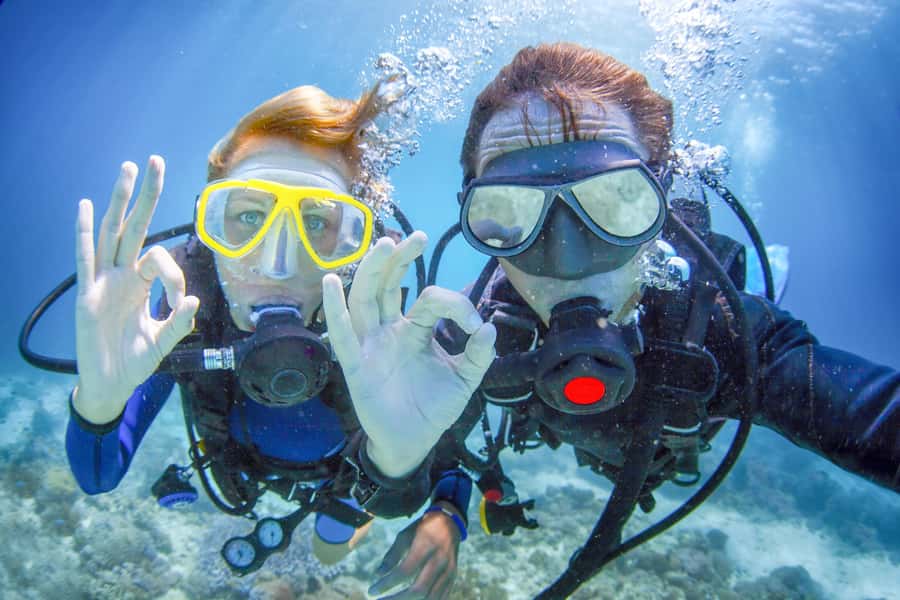
The most appealing part of this Padangbai outing is that it gives you two guided scuba sessions without asking you to commit to a full certification course. You learn to breathe underwater, handle the equipment, and settle your nerves before exploring Blue Lagoon’s white sand, coral, and fish life.
I like the two-person group size, which allows an instructor to stay close, and I like that the day can count toward a PADI Open Water Diver course. The main drawback is the long road transfer from some parts of Bali, followed by a boat ride that can feel rough if you are prone to seasickness.
In This Review
- Key points to know before booking
- Why Blue Lagoon works for a first scuba experience
- From hotel pickup to Padangbai
- The 15-minute jukung ride to Blue Lagoon
- Learning to breathe and relax underwater
- What you might see below the surface
- Two underwater sessions, with time to recover
- Lunch and the unglamorous parts that matter
- Can this lead to a PADI qualification?
- Who should book this experience?
- A few honest drawbacks
- Should you book Padangbai Blue Lagoon?
- FAQ
- How long does the Padangbai Blue Lagoon experience last?
- How many underwater sessions are included?
- Is hotel pickup included?
- How many people are in each group?
- What languages do the instructors speak?
- Can a non-swimmer take part?
- How old must participants be?
- How long should I wait before flying?
Key points to know before booking
- Two people per instructor: You get close help with equipment, breathing, and underwater communication.
- A traditional jukung ride: The 15-minute boat trip to Blue Lagoon is part of the experience, not just transport.
- A strong first-time setting: The instructors start in shallow water and can guide nervous swimmers by hand.
- Plenty of sea life: Look for blue-spotted stingrays, turtles, moray eels, octopus, clownfish, barracuda, and reef fish.
- Useful course credit: Your session may count toward a PADI Open Water Diver course if you decide to continue.
- Plan around your flight: You need at least 18 hours between the final underwater session and your next flight.
Why Blue Lagoon works for a first scuba experience
Padangbai sits on Bali’s east coast, far from the beach clubs and traffic of southern Bali. The setting feels more tied to the sea: fishing boats, a traditional jukung, pale sand, and clear water around the Blue Lagoon.
You are not simply fitted with equipment and pushed overboard. The day begins with an explanation of the mask, fins, tank, weight belt, and breathing equipment. You learn how to stay calm, clear your ears, move with fins, and signal underwater. That preparation matters, since the first challenge for most beginners is not the fish. It is getting used to breathing through a regulator.
The instruction is aimed at people who have never used scuba equipment. Several participants have reached around 12 meters on their first session, while one experienced instructor took a participant to 20 meters. Your exact depth depends on comfort, conditions, and the instructor’s judgment. Do not treat those reported depths as a promise. A beginner outing should feel controlled, not like a test of courage.
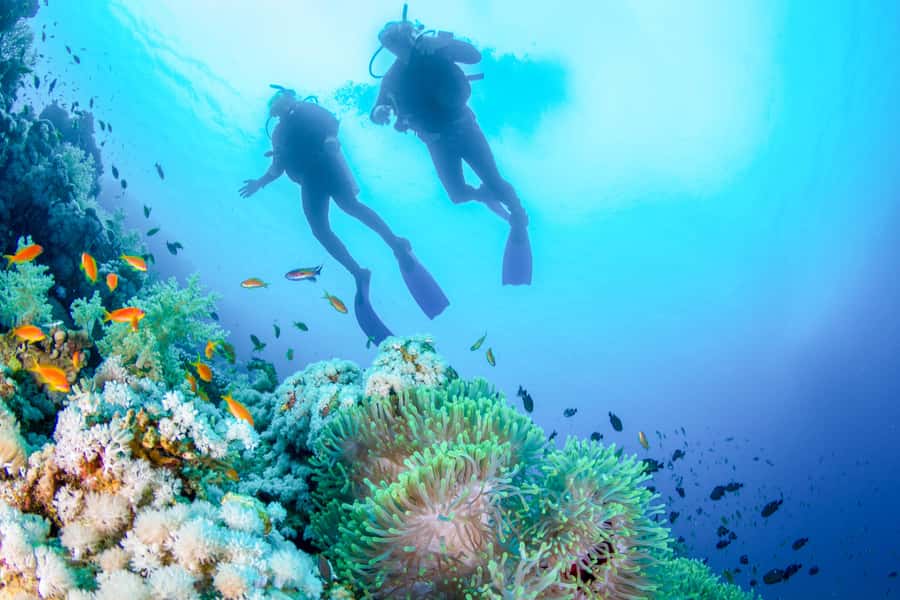
The most valuable feature is the close support. The group is limited to two participants, and instructors such as Ari, Made, AK, Adi, Kim, and Ferri have been praised for calm explanations and patient guidance. If you feel uneasy, the instructor can slow things down, repeat the instructions, and help you regain control rather than rushing you onward.
More Blue Lagoon snorkelling trips:
- Bali: Padangbai Blue Lagoon Snorkeling Day Trip
★ 4.6 · 136 reviews - Bali: Padangbai Blue Lagoon Scuba Diving Private Tour
★ 5.0 · 3 reviews - Bali: Blue Lagoon Snorkeling & Waterfall Tour with Lunch
★ 4.7 · 637 reviews
From hotel pickup to Padangbai
The eight-hour schedule includes hotel transport, training, the boat trip, two underwater sessions, time to rest, and lunch. Pickup is included from Central Kuta, Legian, Seminyak, Kedonganan, ITDC, and Sanur.
The drive to Padangbai can take around an hour and a half from Seminyak, depending on traffic and your pickup point. That is the day’s least glamorous section, but it saves you from arranging a taxi, finding the harbor, and organizing equipment on your own. From Ubud, Canggu, and Uluwatu, the operator may charge an extra $27 per group for return transport, or you can arrange to meet at a nearby meeting point.
I would build a little patience into the morning. Bali roads can make short distances take time, and the transfer is a real part of the schedule. Bring water, but you do not need to pack a picnic. Water, tea, and coffee are available at the center, and light refreshments are included.
At the dive center, you meet your instructor and receive your gear. This is a useful moment to speak up about concerns. Tell the instructor if you are nervous, uncomfortable in open water, or unsure about any equipment. The small group makes it easier to ask questions without holding up a large class.
The 15-minute jukung ride to Blue Lagoon
After the briefing and equipment fitting, you board a traditional Balinese jukung for the short ride to Blue Lagoon. The boat gives you a pleasant change of pace from the road, with views back toward Padangbai and the pale beaches along the coast.
This is not a luxury yacht. A jukung is a working-style Balinese boat, and the ride can feel more exposed than a large motorboat. That is part of its charm, but it also means you should bring sunscreen and expect some sun on the way. If you are sensitive to motion, consider eating lightly before departure and tell the crew if you begin to feel unwell.
The sea is not guaranteed to be perfectly calm. One participant completed only one session after becoming seasick, though the staff helped and treated the problem kindly. Conditions may be choppy on the surface while the water below feels quiet. Still, seasickness can affect the boat ride and your time waiting between sessions, so it is worth preparing for.
Learning to breathe and relax underwater
The first practical lesson is simple: breathe slowly and steadily. Your instructor introduces underwater hand signals and shows you how to use the equipment before you begin. You then enter shallow water for a hands-on introduction.
This gradual start is particularly useful if you cannot swim confidently. One participant described not knowing how to swim properly and still completing two sessions with close instructor support. Another could not tread water or float before arriving and reached about 12 meters with help from a patient guide.
That does not mean swimming ability is irrelevant. You must be comfortable following instructions and accepting the support of the instructor. The staff can guide you closely, but the experience still involves open water, fins, a mask, and a tank. If you have serious concerns about your physical ability, ask the operator before booking.
Your instructor may hold your hand during the first part of the session, especially if you are anxious. The goal is to help you become comfortable, not to leave you to manage everything alone. Once your breathing settles, the underwater world begins to feel surprisingly peaceful.
More dive trips off Bali:
- Bali: 3-Days PADI Open Water Diving Course
★ 4.8 · 98 reviews - Bali: Tulamben Bay Beginner’s Dive Experience
★ 5.0 · 66 reviews - Bali: Tulamben Bay and the USAT Liberty Wreck Dive
★ 4.9 · 58 reviews - Bali: Tanjung Benoa Jet Ski or Sea walker Adventure
★ 5.0 · 4 reviews
What you might see below the surface
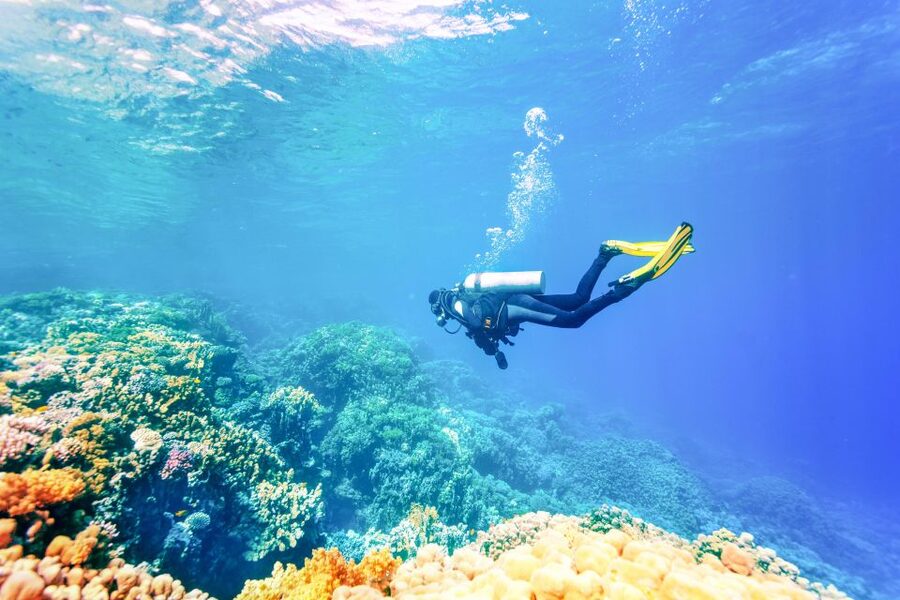
Blue Lagoon offers a lively introduction to Bali’s coastal sea life. The expected list includes blue-spotted stingrays, octopus, scorpionfish, sweetlips, triggerfish, moray eels, and other reef fish.
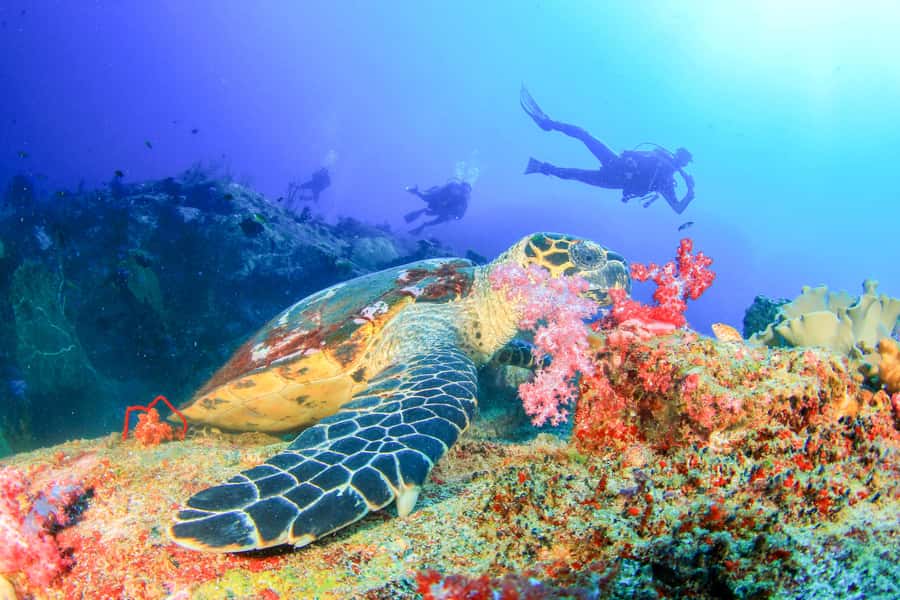
Sightings vary, but the recorded encounters are impressive for a beginner outing. People have seen turtles, cuttlefish, barracuda, clownfish, pufferfish, mantis shrimp, reef sharks, and schools of smaller fish. One session included three turtles, while another included two turtles, moray eels, stingrays, a school of barracuda, and clownfish around anemones.
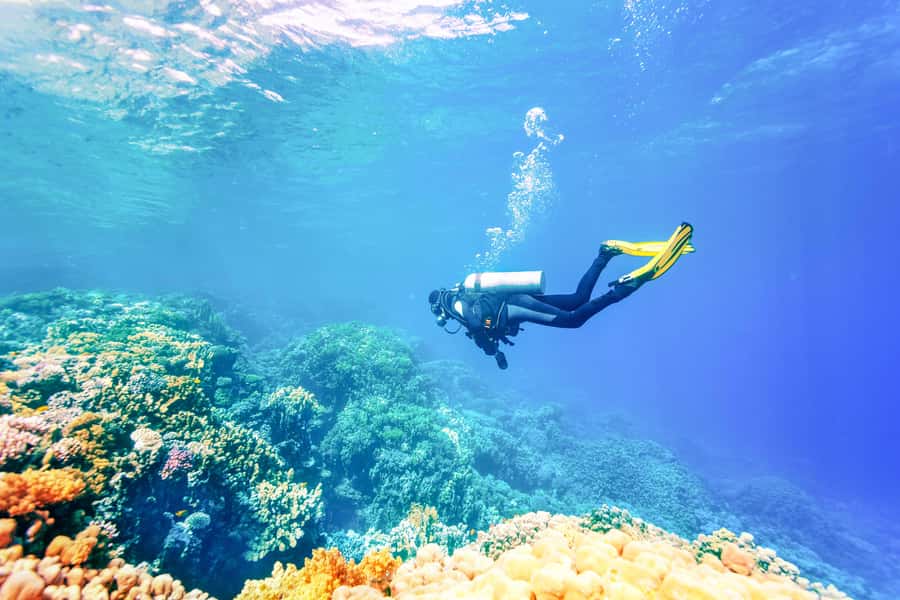
You may also see coral and starfish across the pale seabed. The white sand helps reflect light in the shallower areas, while fish move around the reef and rocky sections. Keep your eyes open for small creatures. An octopus or mantis shrimp can be easier to miss than a turtle, but finding one is often the more rewarding moment.
A submarine has even been spotted in the area. That is an unusual possibility rather than a planned feature, so do not book this expecting a submarine encounter.
Sea conditions and visibility change. One participant noticed plastic and snack wrappers in the water, a reminder that Bali’s marine environment is not untouched. The scenery can be beautiful while still showing signs of human impact. I appreciate knowing that in advance, since it gives you a more honest picture of the site.
Two underwater sessions, with time to recover
The experience includes two sessions, not one long continuous run. That structure works well for beginners. The first lets you concentrate on breathing, buoyancy, fins, and basic signals. By the second, you can spend more attention looking for animals and enjoying the reef.
You also get time to swim and rest between sessions. That pause is useful for checking your mask, talking through anything that felt difficult, and letting your body adjust. If the first session leaves you tense, do not assume the whole day is lost. Beginners often need a few minutes before the equipment starts to feel natural.
The second session may bring more confidence, but it is still guided. Keep close to your instructor and follow the agreed signals. If your ears will not clear, your mask leaks, or you feel uncomfortable, communicate early.
One important practical detail is air travel. You need at least 18 hours between the end of the scuba activity and your next flight, allowing time for your body to reduce nitrogen levels. If you do not have that rest period, you will not be allowed to take part. For a morning flight the next day, this outing is not suitable.
Lunch and the unglamorous parts that matter
Lunch follows the second session, and food is included. It is a welcome finish after time in the water, especially since the morning starts early and uses more energy than a normal beach day. Light refreshments are also included, with free water, tea, and coffee at the center.
You should bring a towel, sunscreen, and a change of clothes. These are basic items, but forgetting them can make the return trip uncomfortable. Keep your packing light and practical. You are going to a working harbor and boat, not a resort pool.
All equipment rental is included, including tanks and weight belts. Marine park fees, boat charges, porter fees, hotel transport, and drop-off are also covered within the stated price for the included pickup areas. That broad package makes the $112 cost easier to assess: you are paying for instruction, equipment, transport, two sessions, meals, and the logistics of getting to the water.
The value is strongest if you are starting from southern Bali and would otherwise need to arrange several separate services. The extra $27 return fee for Ubud, Canggu, or Uluwatu changes the calculation slightly, but it is still a modest group charge when split between two people.
Can this lead to a PADI qualification?
This is not the same as completing a full PADI Open Water Diver course. It is an introductory experience, designed to let you try scuba and decide if you want to continue.
If you do choose to pursue certification, the day can count as credit toward that course. Ask the operator exactly how your session will be applied before booking a separate course, since course requirements and paperwork matter.
That option adds real value for someone who has been curious about scuba but does not want to pay for a full certification without trying it first. You get a practical taste of the equipment, the breathing technique, and the sensation of moving underwater. For a committed beginner, it can be a sensible first step.
Who should book this experience?
I would recommend it most strongly to adults and older children who want a careful first introduction, especially couples or friends who prefer a small group. The two-person instructor ratio is a major advantage if one person is excited and the other is nervous.
It can also suit older beginners. A 60-year-old participant found the instruction and safety support reassuring, which shows that age alone is not a reason to dismiss the activity. You need to meet the health requirements and be at least 10 years old.
This is not suitable for children under 10, pregnant women, or people with heart or respiratory problems. If you have a medical concern, contact the provider before reserving. A medical clearance may be requested in some situations, and one participant needed a doctor’s note before taking part.
Non-swimmers have completed the activity with close support, but you should be honest about your ability and anxiety. The instructors can help you learn to breathe and move with fins, yet you still need to follow directions in the water.
A few honest drawbacks
The long transfer is the main trade-off. From Seminyak, expect roughly 1.5 hours on the road each way, subject to traffic. That makes this an eight-hour commitment, not a quick morning excursion.
The boat is traditional and the sea may be choppy. If you are prone to motion sickness, bring your usual remedy if medically appropriate and avoid arriving overly full. Seasickness can reduce the time you actually spend underwater.
The location also has environmental imperfections. Most of the underwater encounters described are memorable, but rubbish has been seen in the water. This does not cancel out the beauty of the lagoon, but it is worth keeping expectations realistic.
Finally, wildlife is never guaranteed. Turtles, rays, and barracuda are possible, not promised. The real purpose of the day is learning to use scuba equipment safely and comfortably. If you see a turtle, that is a wonderful bonus.
Should you book Padangbai Blue Lagoon?
Book it if you want a low-commitment first try at scuba, value close instruction, and have a full day available for the drive to east Bali. The combination of two guided sessions, equipment, lunch, transport, and possible PADI course credit makes $112 a fair package price.
I would choose this experience over a larger group outing if you are nervous, traveling with a first-timer, or unsure about swimming. I would skip it if your flight is within 18 hours, if you strongly dislike boats, or if you want a full certification in one day.
The strongest reason to go is the teaching. Patient instructors such as Ari, Made, AK, and Ferri have helped beginners settle their breathing and enjoy the sea rather than simply endure it. Come prepared for a long road transfer and a real working-water setting, and Blue Lagoon can be a memorable first chapter in your scuba plans.
FAQ
How long does the Padangbai Blue Lagoon experience last?
The activity lasts eight hours, including hotel pickup and drop-off, the journey to Padangbai, equipment instruction, the boat ride, two underwater sessions, rest time, and lunch.
How many underwater sessions are included?
You receive two guided scuba sessions, with time to swim and relax between them.
Is hotel pickup included?
Yes. Pickup and drop-off are included around Central Kuta, Legian, Seminyak, Kedonganan, ITDC, and Sanur. Ubud, Uluwatu, and Canggu are outside the free service area and may require an additional $27 return charge per group or a meeting-point arrangement.
How many people are in each group?
The experience is limited to two participants, allowing the instructor to provide close assistance.
What languages do the instructors speak?
Instruction is available in English and Indonesian.
Can a non-swimmer take part?
People with limited swimming ability have taken part with close instructor support. You should tell the operator and instructor about your ability before entering the water and be prepared to follow all safety instructions.
How old must participants be?
Participants must be at least 10 years old. Children under 10 cannot take part.
How long should I wait before flying?
You need at least 18 hours between the scuba activity and a flight. If you do not have that rest period, you will not be allowed to participate.
Recently added around Bali
- Bali: Private Lempuyang Temple, Water Temple & Rice Terraces★ 5.0 · 3 reviews
- Bali: Mountain Bike Tour and River Rafting with Lunch★ 5.0 · 3 reviews
- Bali: Sidemen Waterfall tour and temple purification★ 5.0 · 3 reviews
- Bali: Padangbai Blue Lagoon Scuba Diving Private Tour★ 5.0 · 3 reviews
- Bali’s Mystical Jungle Trek & Hidden Waterfall Adventure★ 4.3 · 3 reviews
- From Bali: Mount Bromo & Ijen volcanic private tour★ 5.0 · 3 reviews
- Bali: 7 Day Solo Traveler’s Yoga Retreat In Ubud★ 5.0 · 3 reviews
- Bali: Photo Shoot with a Private Vacation Photographer★ 5.0 · 3 reviews
Blue Lagoon Snorkeling, compared.
Blue Lagoon Snorkeling & Waterfall Tour with Lunch
Read our review →
Bali Blue Lagoon Snorkeling with Private Transfer & Lunch
Read our review →
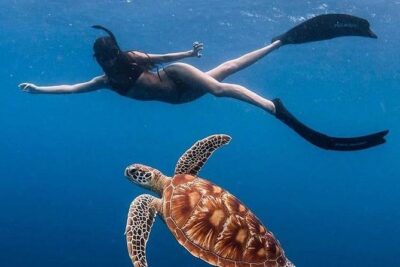
Bali Blue Lagoon and Tanjung Jepun Snorkeling with Transport
Read our review →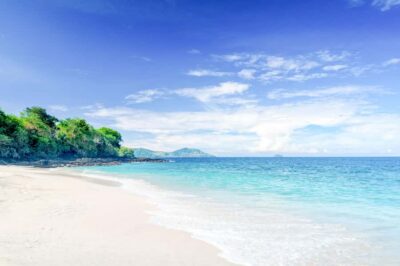
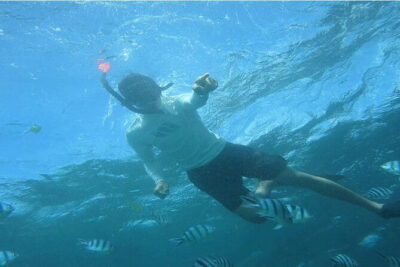
Blue Lagoon Snorkeling with Lunch and Private Transport
Read our review →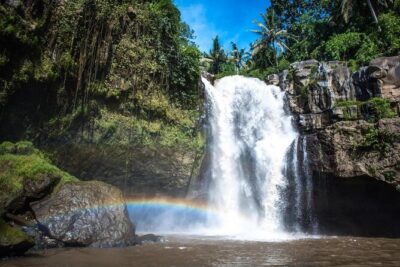
Bali ATV Blue Lagoon Snorkeling Private Guided Tour Free WiFi
Read our review →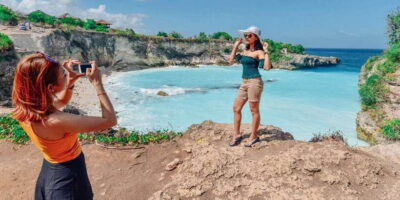
Blue Lagoon Snorkeling and Tanjung Jepun Private Tour
Read our review →Browse the lists this tour appears in