
Reviewed · MOUNT BATUR SUNRISE TREKS
Bali/Batur: Mystical & Burial Rituals Tour with Kehen Temple
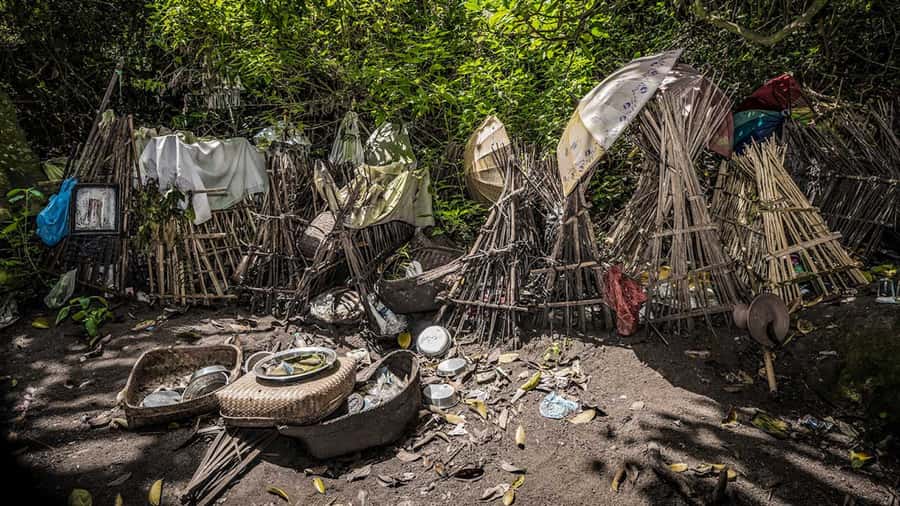
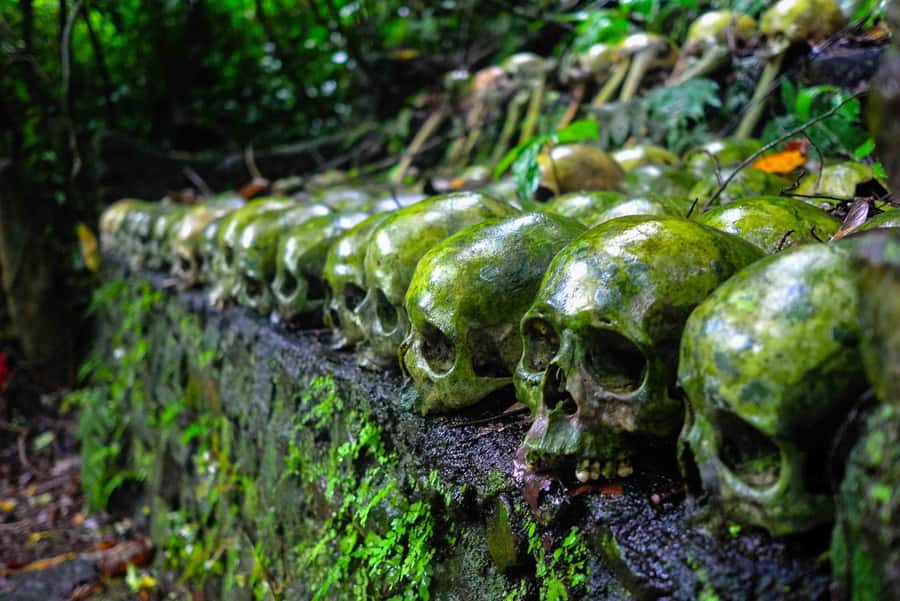
Trunyan’s open-air cemetery is the heart of this unusual Bali day trip. Bodies are placed in bamboo cages beneath a Taru Menyan tree, whose scent is said to counter the smell of decay. You also visit Bayung Gede’s placenta trees and Kehen Temple, giving you three very different windows into Balinese spiritual life.
I like the small-village focus and the amount of time guides spend explaining what you see. I also like the chance to meet Bali Aga communities, whose traditions differ from the customs found in Bali’s better-known resort towns. The main consideration is simple: Trunyan is a real burial site, not a theatrical attraction, and the experience can feel unsettling.
In This Review
- Key points to know before booking
- Why Trunyan changes the way you see Bali
- Reaching Trunyan by boat
- The Trunyan cemetery and Taru Menyan tree
- Bayung Gede and the hanging placenta trees
- Kehen Temple and the famous stairway
- The guides make the difference
- Lunch, coffee, and other add-ons
- Is $35 good value?
- Practical preparation for an eight-hour day
- Who should book this Bali culture tour?
- Should you book it?
- FAQ
- How long does the tour last?
- Does the tour include hotel pickup and drop-off?
- Is the boat to Trunyan included?
- How much does the Trunyan boat cost?
- What languages are available?
- What should I wear?
- Can I take photographs at the cemetery?
- Is the tour suitable for people with mobility issues?
Key points to know before booking
- Trunyan requires a boat ride: The boat charter costs IDR 600,000 per boat and can carry up to five people, but the cost matters greatly if you travel alone or as a pair.
- Bayung Gede has unusual burial customs: Newborn placentas are placed in hanging containers near trees, a practice associated especially with this village.
- Kehen Temple adds beauty and balance: Its long stairway and old banyan tree make a calmer, more visually appealing stop after the cemetery.
- Your guide shapes the day: Raka, Kar, Dwipa, Suker, Sana, Karba John, and Yogibearwithnohair are among the guides praised for clear explanations, warm conversation, and careful driving.
- The base price is attractive: At $35 per person, hotel transport, guiding, and mineral water offer good value, but check if your booking includes entry fees and the Trunyan boat.
- This is a cultural visit, not a soft sightseeing loop: Wear modest clothing, expect uneven paths, and be ready to follow local rules around sacred objects and photography.
Why Trunyan changes the way you see Bali
Many Bali tours stay with temples, rice fields, waterfalls, and sunset viewpoints. This one takes you toward the old villages around Lake Batur, where customs connected to birth, death, and the unseen world remain central to daily life.
The Balinese idea of sekala and niskala, the seen and unseen sides of life, helps explain the tone of the day. Your guide is not just pointing out buildings. The better guides connect the places to Balinese ideas about spirits, ritual, family, and the journey of the soul.
The drive is part of the experience. You travel in a comfortable air-conditioned car along roads with views toward the volcano area. That matters in Bali, where a full day of cultural visits can involve a lot of time in traffic and heat. Guides such as Dwipa, Raka, Kar, and Yogibearwithnohair have been especially praised for filling the drive with stories about history, religion, and village life.
This is arranged as a private-style experience with hotel pickup and drop-off, but the exact vehicle setup can vary. One traveler described a separate driver and guide, which allowed the guide to focus on conversation. In other cases, the guide also drives. Either way, the transport is one of the strongest practical features.
More Mount Batur sunrise treks:
- Bali: Mount Batur Sunrise Guided Hike and Natural Hot Spring
★ 4.8 · 9,284 reviews - Bali: Sunrise Mount Batur Hike with Breakfast
★ 4.8 · 6,973 reviews - Mount Batur: Sunrise Jeep Tour & Natural Hot Spring
★ 4.8 · 2,512 reviews
Reaching Trunyan by boat
Trunyan sits across Lake Batur, so reaching the cemetery involves boarding a boat. The ride gives you a different view of the volcano area and adds a sense of distance from ordinary Bali sightseeing.
The boat fee deserves careful attention. A charter costs IDR 600,000 per boat for up to five people. That is not the same as IDR 600,000 per person, but if you are alone or traveling as a couple, you may have to cover the full boat cost unless the operator groups you with others. Some booking choices include the boat and cemetery entry, while others exclude them.
Ask exactly what your selected option covers before paying. The advertised $35 price is appealing, but the final cost can rise with the boat, entrance fees, lunch, and add-ons.
The Trunyan cemetery and Taru Menyan tree
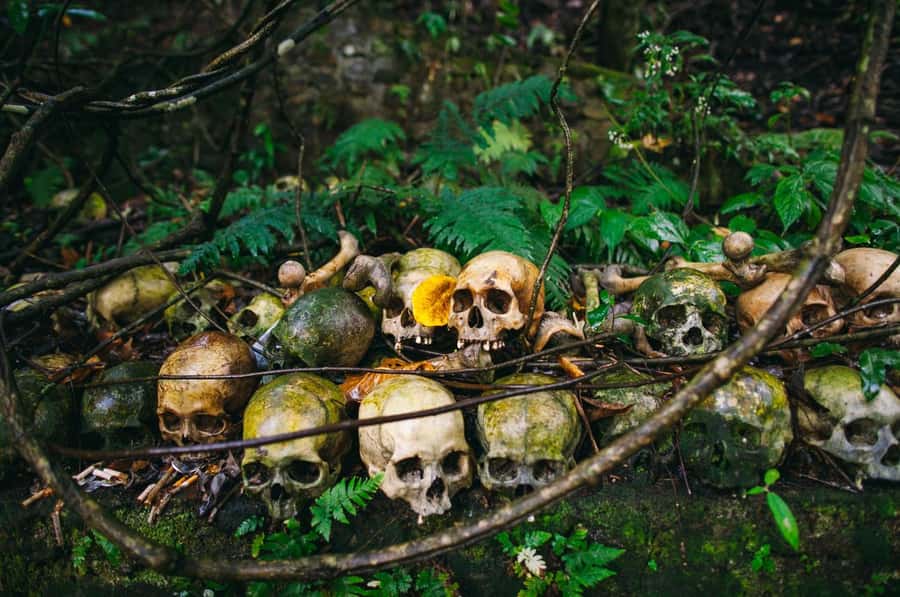
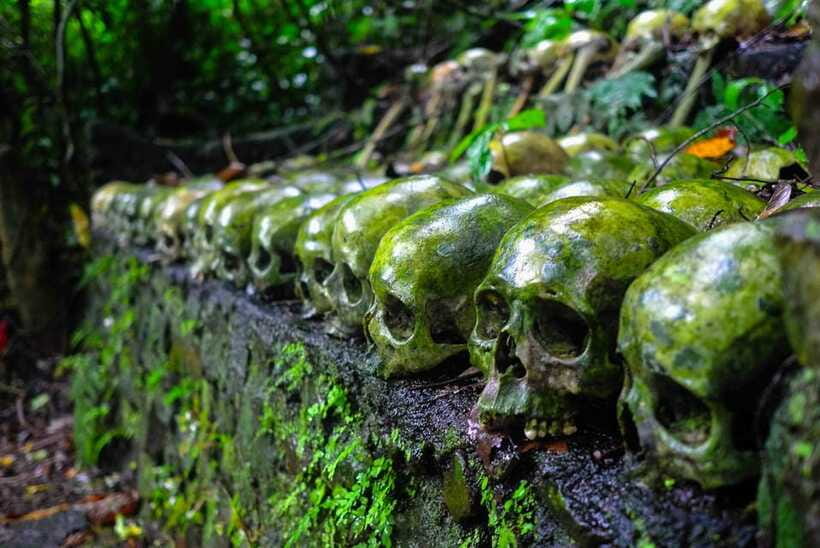
The cemetery is the most memorable and sensitive stop. In Trunyan, the dead are not cremated in the way most visitors associate with Balinese Hindu funerals. After a cleansing ritual, a married person’s body is placed in an ancak saji, a bamboo cage beneath the Taru Menyan tree.
Taru Menyan is commonly explained as meaning pleasant-smelling tree. Its scent is believed to neutralize the odor of the bodies. This custom is the reason behind the village’s name, Trunyan.
The cemetery contains real human remains. You are not visiting a museum display or a staged cultural performance. That distinction matters. You should approach quietly, listen to your guide, and avoid treating the site as a photo opportunity.
Photography may be limited in sacred areas, so ask before using your camera. Do not touch ceremonial items or enter restricted spaces. Modest clothing is expected, with shoulders and knees covered.
The guides are especially important here. Kar was praised for explaining the beliefs with care and sensitivity. Karba John has been singled out for clear explanations of the cemetery’s customs and rituals. Other guides, including Sana, Raka, Agus, and Yogibearwithnohair, have also been praised for answering questions in a calm, friendly way.
I would not choose this stop if you are uncomfortable with death rituals, exposed burial sites, or unfamiliar religious practices. One person found the cemetery unsettling and spent only a short time there, while still appreciating the explanation. That is a perfectly reasonable way to handle it. You can learn from the place without forcing yourself to linger.
Bayung Gede and the hanging placenta trees
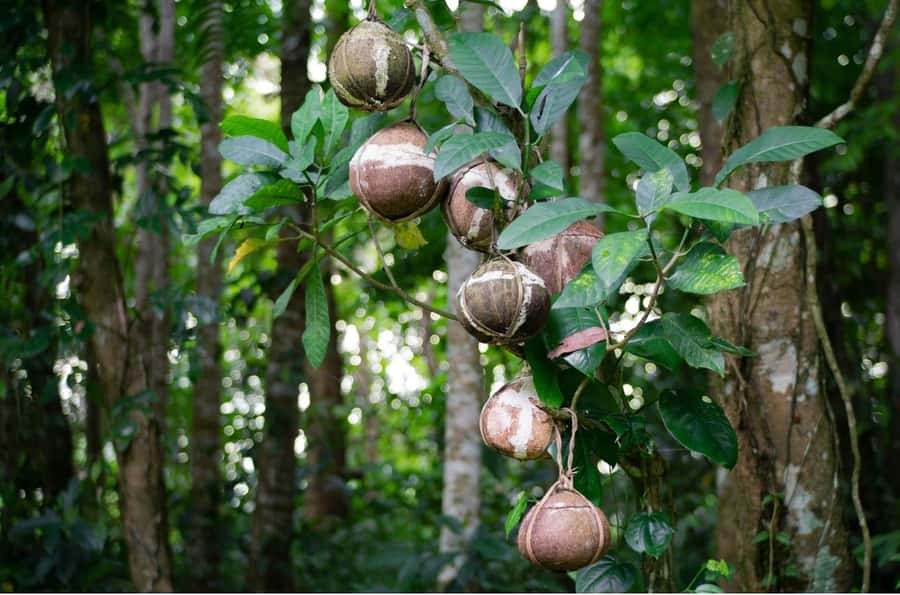
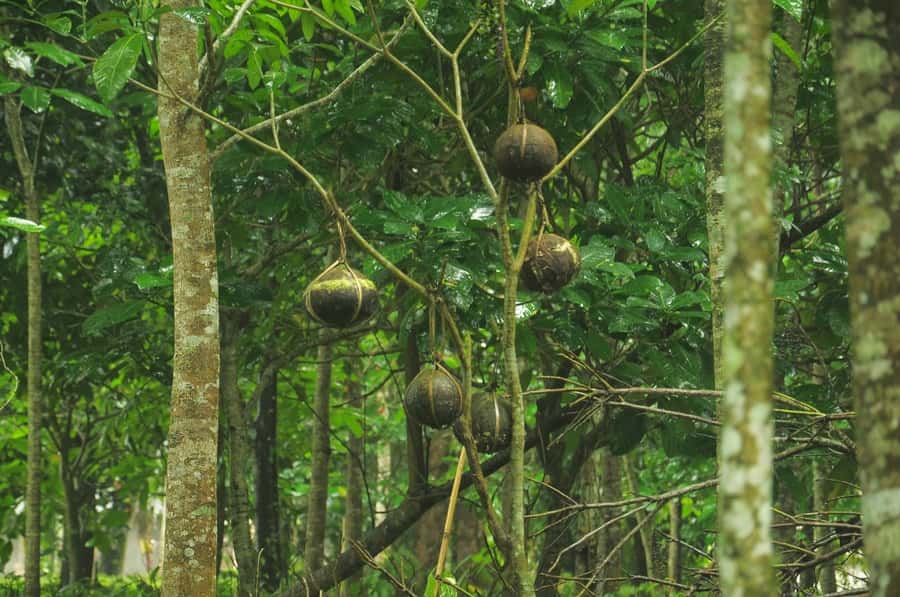
Bayung Gede offers a different kind of encounter with the life cycle. The village is regarded as the parent of many ancient Bali Aga communities, and it is known for placing newborn placentas near trees rather than burying them in the usual way.
The sight is unusual, but the point is not simply shock value. The practice shows how customs can vary from one Balinese community to another. A visit here helps you see that Bali does not have one single set of traditions shared in exactly the same form across the island.
This stop can feel more intimate than the cemetery. You may see traditional compounds and have a chance to speak with local residents, depending on the day and local conditions. One useful feature of this tour is that the guide explains the meaning of the custom instead of leaving you to stare at something unfamiliar without context.
Please remember that Bayung Gede is a living village. Keep your voice low, follow instructions, and do not handle the placenta containers or ceremonial objects. Ask before photographing people or sacred places.
For many people, this is the stop that makes the tour feel distinct from a standard temple circuit. It offers a glimpse of rural life and a custom that is rarely included in general Bali itineraries.
More temple visits around Bali:
- Bali Sunset: Uluwatu Temple, Kecak Dance and Jimbaran Bay
★ 4.7 · 2,397 reviews - Bali: Besakih Temple & Lempuyang Temple Gates of Heaven Tour
★ 4.8 · 2,323 reviews - North Bali: Sunrise Tour with Dolphins, Waterfalls & Temples
★ 4.6 · 831 reviews - Bali: Hidden Canyon, Waterfall & Temples Small Group Tour
★ 4.7 · 563 reviews
Kehen Temple and the famous stairway
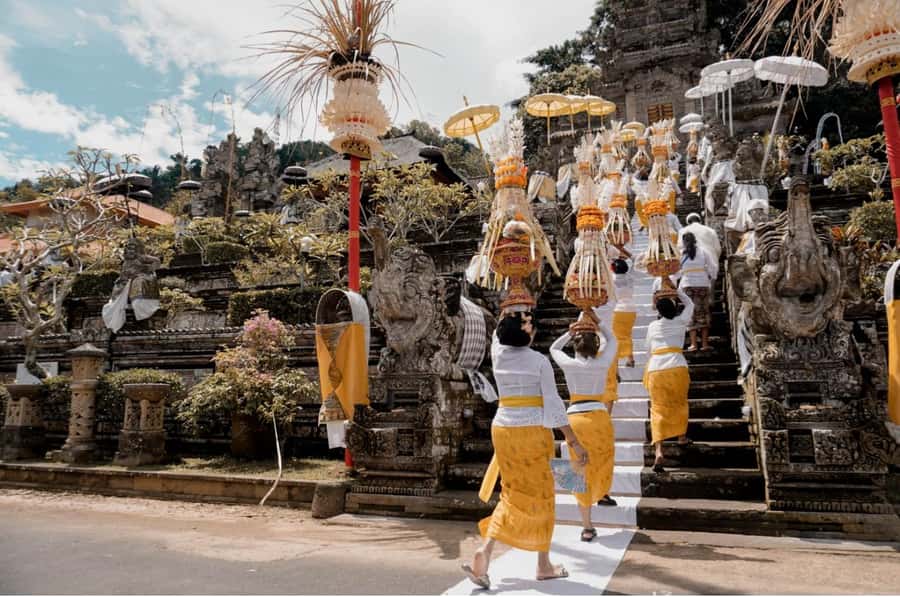
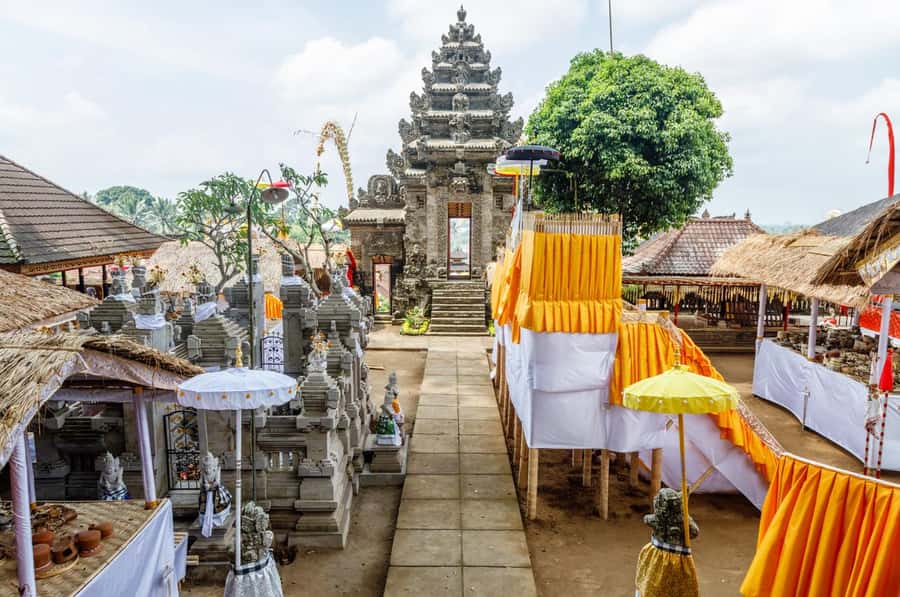
Kehen Temple gives the day a more traditional temple visit, but it is far from an ordinary quick photo stop. Built on the slope of Bukit Bangli, it is regarded as the mother temple of Bangli.
The approach is one of the temple’s main pleasures. You climb the famous steps, sometimes described as the steps of heaven, toward the temple complex. The stairway gives the visit a clear sense of arrival and provides strong photo opportunities, though you should still dress and behave as you would at any sacred Balinese site.
Look for the old banyan tree and the wooden bell hanging from it. The tree and bell are among the details that make Kehen feel different from the more heavily visited temples around southern Bali.
Compared with Trunyan, Kehen is easier to enjoy if you want beauty, architecture, and atmosphere without the emotional weight of a cemetery. Your guide can explain the temple’s role, the meaning of its features, and the rituals taking place there. Bring a sarong if you have one, although guides may provide one when needed.
The temple also gives the schedule a useful rhythm. Trunyan asks you to think about death and ritual. Bayung Gede focuses on birth and village custom. Kehen brings you back to a grand temple setting where Balinese Hindu worship is visible through architecture and ceremony.
The guides make the difference

The strongest part of this experience is the human explanation. The tour covers subjects that can easily be misunderstood if you visit without a local guide.
Raka is repeatedly praised for clear explanations, good humor, and a strong grasp of Balinese customs. Kar is described as patient, thoughtful, and especially good at explaining the cemetery in a respectful way. Dwipa has been praised for careful driving, excellent English, and helping solo visitors feel comfortable in quiet places.
Yogibearwithnohair is known for entertaining conversation during the drive and for taking photographs. Karba John is another popular choice, with a reputation for careful explanations and attention to safety. Other named guides include Suker, Sana, Nyoman, Sumadi, Wayan Kar, Agus, Dharma, Wirma He, Adrian, Samba, Manu, and Dwipa.
You may not be able to select a particular guide, so treat guide requests as preferences rather than guarantees. The common thread is that the guides are expected to explain local culture, answer questions, and help you follow village and temple rules.
English and Korean guiding are available. German guiding may be available as an optional add-on.
Lunch, coffee, and other add-ons
Lunch is not included in the standard price. You can add a buffet lunch, but be careful about assuming it will be a local, low-cost meal. One person found the lunch stop expensive and touristy, despite the attractive view.
If local food matters to you, tell your guide clearly. Another person asked for a local eatery and was taken to a small roadside place for fresh food. A different group requested babi guling and enjoyed a simple roadside stop. These examples suggest that speaking up early can improve the meal choice.
Optional extras include:
- Luwak coffee tasting
- General coffee tasting
- Polaroid photographs
- Traditional massage
- Jungle swings
- Rafting
- ATV riding
- A hot springs visit
- Buffet lunch
- German-speaking guide
The coffee stop is a popular addition, especially for people who want a lighter finish after the cemetery. Luwak coffee tasting can be interesting, but remember that a tasting stop may also include a sales element. If you add several activities, start earlier than 10 a.m. Traffic around Ubud can slow the return journey, and an eight-hour cultural tour can stretch when extras are added.
The Polaroid option may suit solo visitors or couples who want printed memories. Guides such as Yogibearwithnohair, Raka, and Sumadi have been praised for taking good photos. Still, ask for permission before photographing sacred sites or residents.
Is $35 good value?
At $35 per person, the tour offers strong value if your chosen option includes hotel pickup, drop-off, a guide, and the main entrance fees. You get a full eight-hour day in an air-conditioned vehicle and visits to places that are difficult to combine independently.
The price needs a closer look, though. The Trunyan boat is the largest possible extra. If you travel alone and must pay IDR 600,000 for the charter, your real cost is much higher than the headline figure. Lunch and optional activities add more.
I would compare the booking choices line by line. Check three things:
- Is the Trunyan cemetery entry included?
- Is the boat ticket included?
- Are temple entrance fees included?
The tour is best value for people who want cultural explanation rather than a simple transport service. If you only want to see Mount Batur or take photos at a temple, cheaper and shorter options may suit you better.
Practical preparation for an eight-hour day
Wear light, respectful clothing that covers your shoulders and knees. Comfortable shoes are important because you will walk on uneven paths and climb temple steps.
Bring cash. Local villages generally do not accept cards, and you may need money for the boat, food, drinks, or optional stops. Carry mineral water, although a bottle is included.
Allow emotional space for Trunyan. You do not need to pretend the cemetery feels comfortable. Listen, ask respectful questions, and step back if you need a moment.
The boat ride can be affected by weather. Safety adjustments may be made if conditions are poor, and the itinerary may change. Pregnant people, wheelchair users, and people with mobility impairments should not book this tour. It is also not a good match if you are uncomfortable with boat boarding, uneven ground, or death-related rituals.
Free cancellation is available up to 24 hours before departure, and you can reserve now and pay later. Pickup is optional, and you should wait in your hotel lobby five minutes before the scheduled time.
Who should book this Bali culture tour?
I would recommend it to you if you want to understand Bali beyond the familiar temple-and-waterfall route. It suits curious adults, solo visitors who want a guide in remote settings, and couples who prefer conversation and cultural context over a packed list of attractions.
It is also a good choice if you are visiting the Batur area but do not want to hike Mount Batur or take a jeep tour. The drive, lake crossing, old villages, and Kehen Temple create a full day without strenuous trekking.
I would skip it if you want a relaxed sightseeing day with no difficult subjects. The cemetery is real, the boat fee can be a surprise, and the optional lunch stop may not match your idea of local food. Families with young children should also think carefully about the burial site and the uneven paths.
Should you book it?
Book this tour if Trunyan’s burial custom, Bayung Gede’s placenta trees, and Bali Aga culture genuinely interest you. The best version of the day comes from asking questions, dressing respectfully, and confirming the boat and entry fees before departure.
The guides are the reason the experience works. Request a guide such as Raka, Kar, Dwipa, Karba John, Sana, Suker, or Yogibearwithnohair if the operator allows requests, but focus more on having a strong English-speaking cultural guide than on securing one particular name.
For a modest base price, this is an unusual and worthwhile look at Bali’s spiritual traditions. Just come prepared for a serious visit, not a theme-park attraction.
FAQ
How long does the tour last?
The tour lasts eight hours. Starting times depend on availability, and adding several optional activities may extend the day.
Does the tour include hotel pickup and drop-off?
Yes, hotel pickup and drop-off are included when the pickup option is selected. You should wait in the hotel lobby five minutes before your scheduled pickup.
Is the boat to Trunyan included?
The boat ticket is included only with the option that includes entry tickets. If you choose an option excluding entry tickets, the boat is not included.
How much does the Trunyan boat cost?
A boat charter costs IDR 600,000 per boat and can carry up to five people. If you travel alone or with one other person, confirm how the cost will be handled.
What languages are available?
Live guiding is available in English and Korean. A German-speaking guide may be available as an optional add-on.
What should I wear?
Wear modest clothing with your shoulders and knees covered. Comfortable shoes are also important for uneven paths, boat boarding, and the steps at Kehen Temple.
Can I take photographs at the cemetery?
Photography may be restricted in sacred areas. Ask your guide before taking photographs, and do not photograph or touch ceremonial items without permission.
Is the tour suitable for people with mobility issues?
No. The tour is not suitable for pregnant women, wheelchair users, or people with mobility impairments. It includes uneven paths, boat boarding, and temple steps.
Recently added around Bali
- Bali: Private Lempuyang Temple, Water Temple & Rice Terraces★ 5.0 · 3 reviews
- Bali: Mountain Bike Tour and River Rafting with Lunch★ 5.0 · 3 reviews
- Bali: Sidemen Waterfall tour and temple purification★ 5.0 · 3 reviews
- Bali: Padangbai Blue Lagoon Scuba Diving Private Tour★ 5.0 · 3 reviews
- Bali’s Mystical Jungle Trek & Hidden Waterfall Adventure★ 4.3 · 3 reviews
- From Bali: Mount Bromo & Ijen volcanic private tour★ 5.0 · 3 reviews
- Bali: 7 Day Solo Traveler’s Yoga Retreat In Ubud★ 5.0 · 3 reviews
- Bali: Photo Shoot with a Private Vacation Photographer★ 5.0 · 3 reviews
Mount Batur Sunrise Treks, compared.

Mount Batur Sunrise Guided Hike and Natural Hot Spring
Read our review →

Mount Batur Sunrise Trek With Guide and Breakfast
Read our review →
Mount Batur Shared Jeep Sunrise & Hot Spring Tour
Read our review →
Shared Mount Batur Jeep Sunrise with Hot Springs
Read our review →
Browse the lists this tour appears in