
Reviewed · RICE TERRACE TOURS
Bali: Rice Terraces Guided Hiking Experience
Bali’s rice terraces are more than a pretty backdrop. On this three-hour walk through Kerobokan, you’ll see how farmers share water, grow food, and maintain small ecosystems among the paddies. I like the visit to a local subak temple, a place most sightseeing routes skip, and the practical look at crops, workers, and wildlife. I also like the simple finish: coconut water or coffee at a small café.
The main consideration is the scenery. This is a walk through real working fields close to housing, not a grand mountain viewpoint. One review found the surroundings less photogenic than expected, with no mountains in sight, but still considered the farming lesson worthwhile. Go for local insight and quiet paths, not postcard panoramas.
In This Review
- Key details at a glance
- Kerobokan’s rice fields, beyond the Bali postcard
- Why subak matters more than a photo stop
- A quiet subak temple for farmers
- Walking the two to three kilometer terrace route
- The wildlife and crops between the paddies
- Coconut water, coffee, and a simple finish
- What the $39 price gives you
- A carbon-neutral tour with a local focus
- What the strongest guide experiences add
- Practical preparation for the walk
- Who should book this Kerobokan walk?
- Should you book the rice terrace hike?
- FAQ
- Where does the rice terrace tour start?
- Where does the activity end?
- How long does the experience last?
- What language is the tour conducted in?
- How far do you walk?
- What should I wear?
- Is the tour private or shared?
- Are drinks included?
- Can young children join?
- Can I cancel for a refund?
Key details at a glance
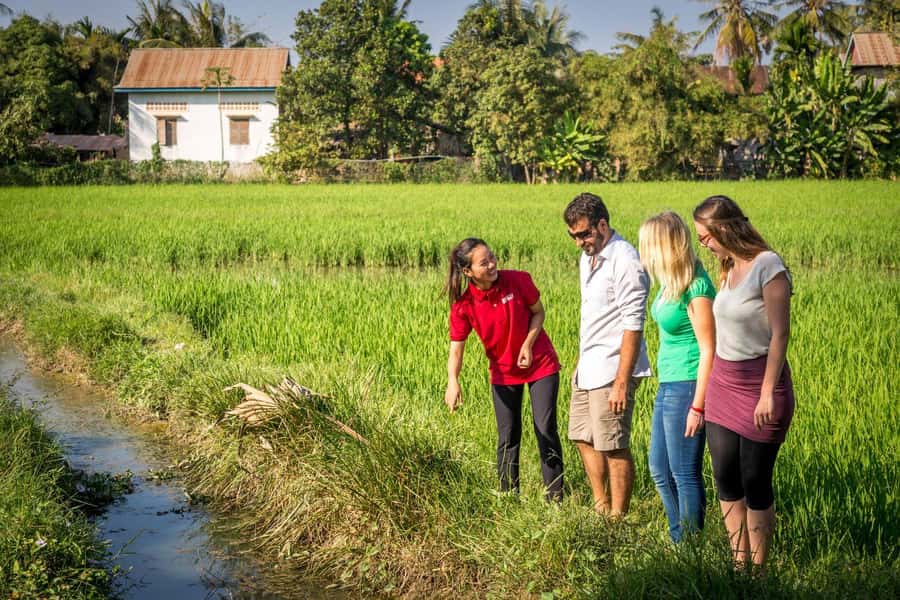
- Walk two to three kilometers through working rice fields: You’ll use the tops of terrace walls as paths and cross farmers’ bamboo bridges.
- Learn the 1,200-year-old subak system: This traditional irrigation network manages water while supporting community life and field wildlife.
- Visit a farmers’ subak temple: Water priests honor the connection between people, the Earth, and the gods at these local gathering places.
- Choose shared or private touring: A shared outing costs $39 per person, while a private option gives your own group more space and attention.
- Finish with a local drink: Coconut water or coffee, light snacks, and mineral water are included.
- Travel with a carbon-neutral operator: The experience is run by an eco-certified B Corp company and includes a rice-field donation.
Kerobokan’s rice fields, beyond the Bali postcard
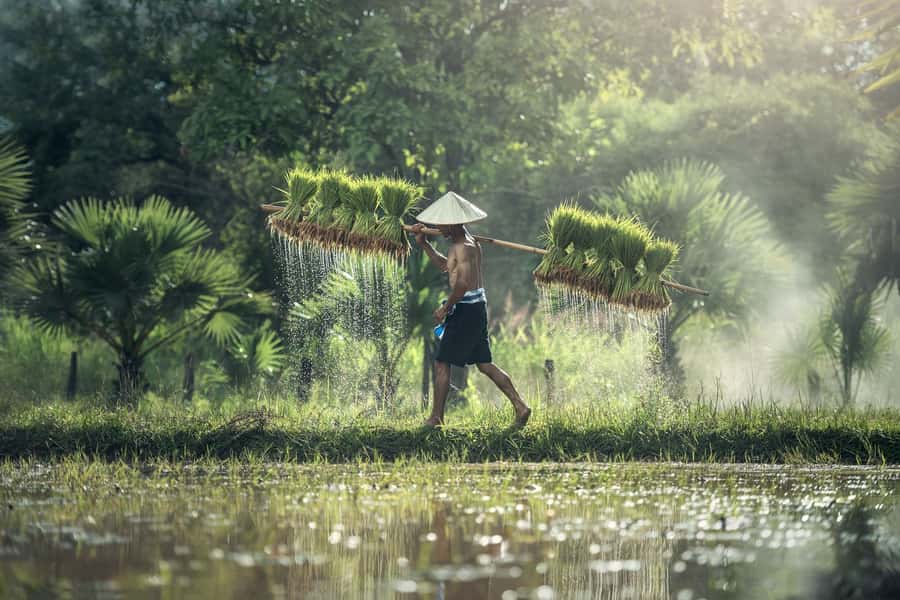
Many visitors picture Bali’s paddies flowing down steep hills beneath distant volcanoes. Kerobokan offers something different. Its fields sit near a settled part of the island, so houses may appear around the paddies and mountain views are not guaranteed.
That is not necessarily a flaw. The setting gives you a look at how agriculture survives beside growing communities. You are not simply stopping for five minutes to take a picture. You are walking through fields where farmers still plant, manage water, and move between plots as part of everyday work.
The tour begins at Starbucks Kerobokan. From there, your English-speaking guide leads you away from the main roads toward the rice fields. The exact start time depends on availability, so check the schedule before booking and allow enough time to reach the meeting point.
The walk is shared or private. The shared option keeps the $39 price reasonable and gives you company along the route. A private tour makes more sense if you want to ask many questions, prefer your own pace, or are traveling with a small group.
More rice terrace tours around Denpasar:
- Ubud: Waterfall, Rice Terraces & Monkey Forest Tour
★ 4.9 · 4,269 reviews - Ubud: Rice Terrace, Waterfall, & Elephant Cave
★ 4.9 · 862 reviews - From Ubud: Downhill Bike Tour with Rice Terraces and Meal
★ 4.9 · 664 reviews
Why subak matters more than a photo stop
The heart of the experience is the explanation of subak, Bali’s traditional irrigation system. It was introduced more than 1,200 years ago and remains in use today. The system is not just a set of channels carrying water from one field to another.
Subak connects farmers through shared decisions about water. It also links farming to religious practice, since water is treated as part of the relationship between people, nature, and the gods. That combination helps explain why rice cultivation has such an important place in Balinese life.
Your guide explains how water reaches the fields and why cooperation matters. You’ll also hear how the paddies support more than rice. Farmers may grow tomatoes, beans, bananas, eggplant, chilies, corn, and sugar cane around the fields. Water snails are part of the local food and farming picture as well.
This is the part I find most useful for understanding Bali. Once you know what the channels do and why the fields are arranged as they are, the terraces stop looking like decoration. You begin to see a working system managed by people, plants, animals, and water.
A quiet subak temple for farmers
A local subak agricultural temple is included in the route. It is a gathering place for farmers and a setting where water priests honor the links among human life, the Earth, and the gods.
The temple is not presented as a major monument with a long list of architectural highlights. Its value is cultural and local. You are seeing the kind of place connected to the farming community rather than a famous stop designed for large sightseeing crowds.
Listen closely here. The temple helps connect the practical irrigation lesson to Balinese beliefs. Farmers are not only deciding how to distribute water. They are also taking part in ceremonies and community traditions that give the system its meaning.
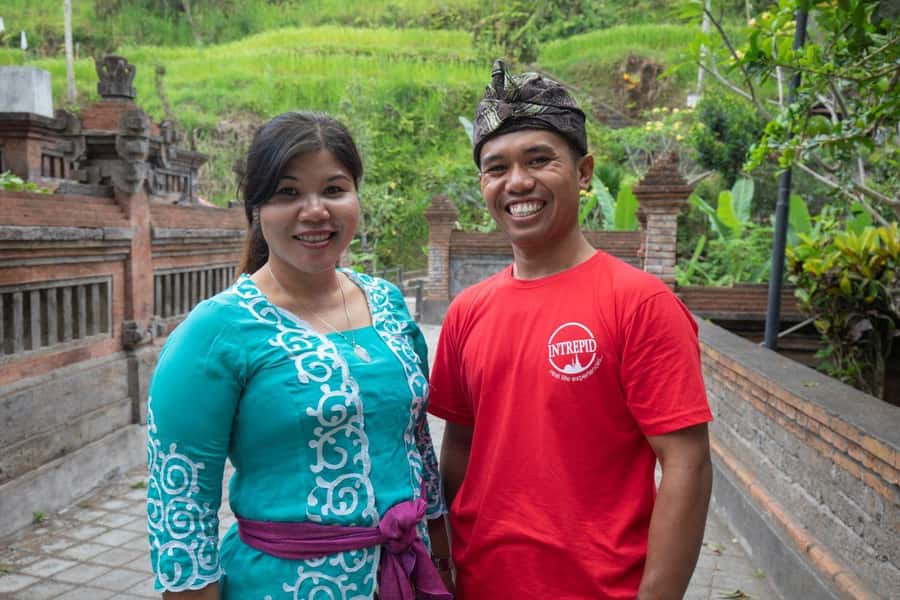
Dress in comfortable clothes and follow your guide’s instructions at the temple. The tour provides an udeng, a traditional head covering, for men, and a sash for women. This small gift adds a cultural touch, though it should not be mistaken for a full ceremonial experience.
Walking the two to three kilometer terrace route
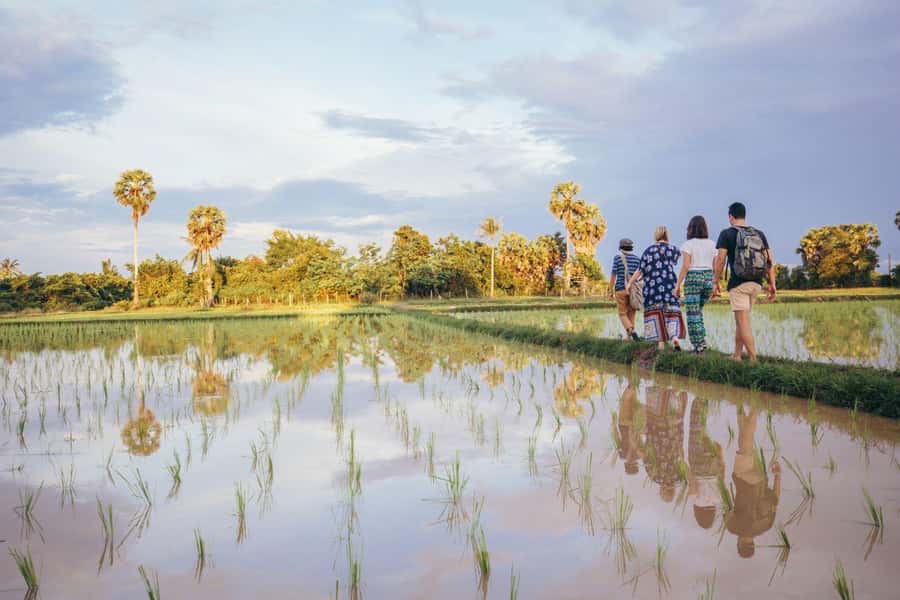
After the temple, you head into the Kerobokan paddies for a walk of roughly two to three kilometers. The route uses the narrow tops of terrace walls as paths, so comfortable shoes are important.
This is not described as a strenuous mountain hike, but it is still a real walk. The surfaces can be narrow and uneven, and you will need to pay attention as you move from one field to the next. The route includes farmers’ bamboo bridges over rivers and channels. Treat these crossings carefully rather than rushing for the next photo.
The walk gives you time to notice small details. Rice plants are only one part of the system. Frogs, fish, crabs, and snails live in and around the water, and your guide explains how these species fit into the fields.
One of the best features is the chance to learn about farm work in practical terms. You can hear how tasks are assigned and how farmers manage the fields, rather than receiving only a broad explanation about Balinese culture. A friendly local guide and a guide such as Lena can make a major difference here, especially when you have questions about the crops and daily work.
The route is also where expectations matter most. If your main goal is a wide view of dramatic terraces with mountains behind them, this may not be the right outing. The fields are surrounded by homes in places, and the scenery can feel more intimate than grand. If you want to understand how rice farming functions close to an urban area, the setting works well.
More hikes around Denpasar:
- Bali: Mount Batur Sunrise Guided Hike and Natural Hot Spring
★ 4.8 · 9,284 reviews - Bali: Sunrise Mount Batur Hike with Breakfast
★ 4.8 · 6,973 reviews - Bali: Mount Batur Sunrise Trek With Guide and Breakfast
★ 4.8 · 3,461 reviews - From Ubud: Mount Batur Hiking With Hotspring
★ 4.8 · 1,850 reviews
The wildlife and crops between the paddies
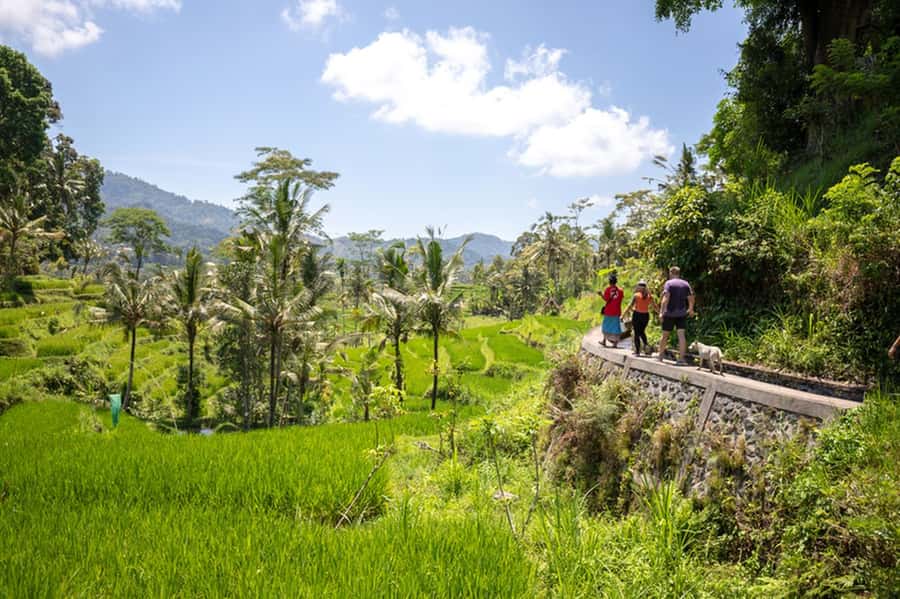
A rice field can look quiet from a road. Walking through it shows how much is happening in the water and along the banks.
Your guide points out aquatic species including frogs, fish, crabs, and snails. These animals are part of the field ecosystem, and their presence helps you see the paddies as living spaces rather than simple planting beds.
You’ll also learn that local farmers grow far more than rice. Tomatoes, beans, bananas, eggplant, chilies, corn, and sugar cane may all appear in the agricultural mix. This variety gives the walk a useful food connection. The fields are not producing one crop in isolation. They support several kinds of plants and animals while serving the needs of nearby families.
The amount of wildlife you see will depend on conditions and timing. The included information promises an explanation of the ecosystem, not a wildlife-watching excursion with guaranteed sightings. Bring curiosity rather than a checklist.
Coconut water, coffee, and a simple finish
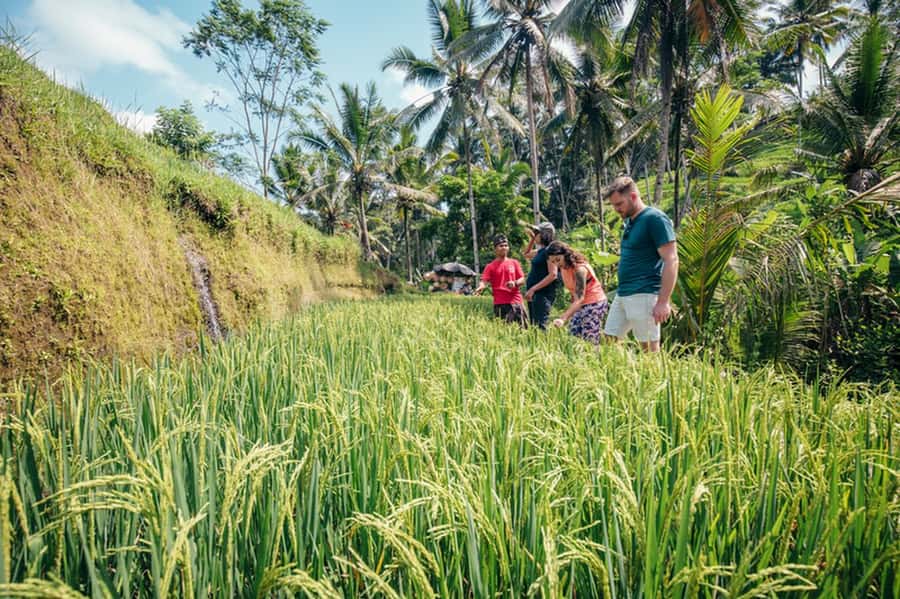
After the walk, the group stops at a small café for coconut water or coffee, with light snacks. Mineral water is also included.
This break is modest, but it suits the tour. After walking narrow paths and crossing bamboo bridges, a cool drink gives you time to sit, ask final questions, and let the farming lesson settle in. It also keeps the experience connected to local daily life rather than ending at a transport stop.
Additional food and drinks cost extra. The included snack is light, so do not treat it as a full meal. If you need more food, plan to buy something separately before or after the tour.
The tour returns to Starbucks Kerobokan, where the activity ends. There is no stated transport from your hotel, so you should arrange your own way to the meeting point and back.
What the $39 price gives you
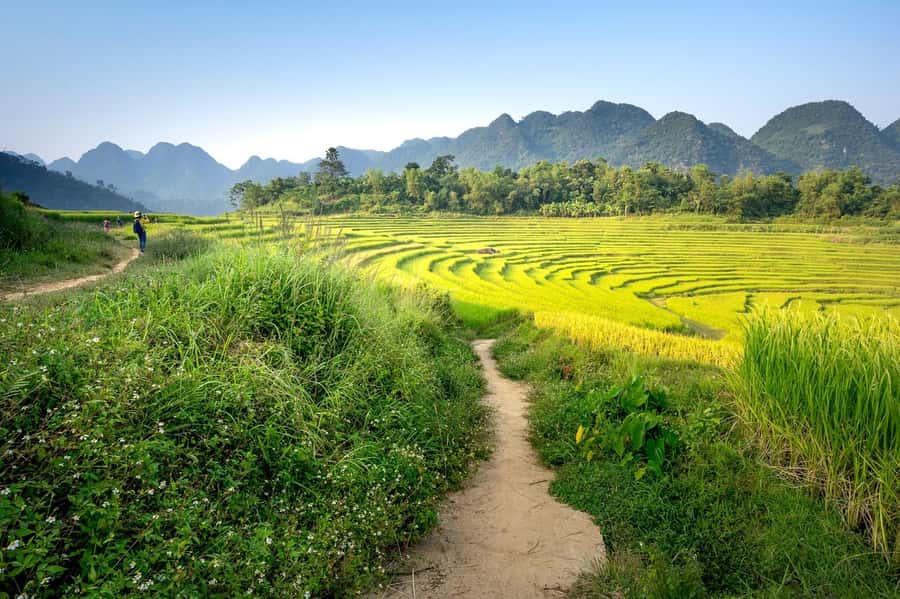
At $39 per person, this is a fair price for a focused three-hour cultural walk. You are paying for an English-speaking local guide, mineral water, coconut water or coffee, light snacks, the temple visit, a rice-field donation, and the guided route itself.
The value is strongest if you want explanation. A self-guided walk may show you paddies, but it will not easily explain subak, water priests, crop choices, farmer responsibilities, or the role of frogs and fish in the fields.
The price is less compelling if you only want photographs. The route does not promise mountain views, and parts of Kerobokan are close to houses. You could find more dramatic scenery elsewhere in Bali, but you would need to compare that with the chance to learn how the fields actually function.
A shared tour is the practical choice for solo visitors and couples who want to keep costs down. Private touring is better for families with older children, photographers who want more time, or anyone who prefers a flexible conversation. Children under six cannot join, and the route is best suited to people comfortable walking on narrow field paths.
A carbon-neutral tour with a local focus
The operator is a B Corp certified company committed to using tourism as a force for good. This particular tour is carbon neutral and includes a donation for the rice fields.
Those details do not change the route or guarantee a perfect experience, but they matter if you want your money to support a more responsible operating model. The activity also puts local knowledge at the center by using an English-speaking guide and visiting a community agricultural temple.
The most valuable responsible-travel feature may be the tone of the visit. You are learning about a working place rather than treating the fields as an empty photo set. Stay on the paths, listen when your guide explains where to step, and remember that the paddies are part of someone’s livelihood.
What the strongest guide experiences add
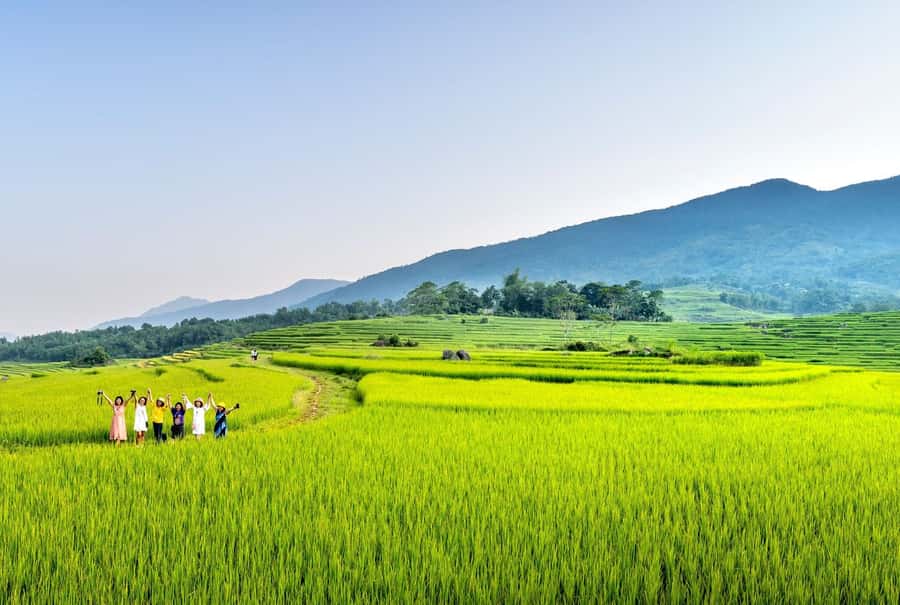
The guide can make or break this outing. Lena received especially strong praise for explaining everything clearly and being a pleasure to spend time with. A local guide also helps turn technical subjects into something easy to follow.
The most useful guidance covers three areas:
- How farmers divide and manage work
- How water moves through the terraces
- How crops, aquatic animals, temples, and community life connect
A good guide also helps you read the setting. Without context, a narrow channel may look like a ditch and a bamboo crossing may look like a rustic prop. With an explanation, each becomes part of a working agricultural system.
One practical suggestion is to ask questions as you go. The tour has enough subject matter to support a good conversation, and the guide’s knowledge is one of the main reasons to choose this experience over a simple walk through the fields.
Practical preparation for the walk
Wear comfortable shoes with a secure sole. The route follows terrace walls and includes bamboo bridges, so sandals that slip easily are not the best choice.
Choose comfortable clothing that allows easy movement. The tour lasts three hours, and you will be walking outdoors through agricultural areas. Bring only what you can carry comfortably, since the path may be narrow.
The activity is available in English. It includes mineral water, but you may still want to bring sun protection if needed. The supplied information does not promise a particular weather policy or route adjustment, so check the conditions and booking details before you set out.
Cancellation is flexible: you can cancel up to 24 hours in advance for a full refund. You can also reserve now and pay later, which helps if your Bali schedule is still changing.
Who should book this Kerobokan walk?
I would choose this tour if you want to understand Bali through its food, water, farming, and religious customs. It suits people who enjoy a guide-led walk and prefer a working neighborhood to a famous viewpoint.
It is also a good match for repeat visitors who have already seen temples and beaches and want a different side of the island. Families with children over six may enjoy the bridges, animals, and crop lesson, provided everyone can manage the walk.
I would hesitate if your priority is dramatic scenery. The route is not set in a remote mountain valley, and houses may surround the fields. It also may not suit anyone who dislikes narrow paths, uneven surfaces, or walking outdoors for several kilometers.
Should you book the rice terrace hike?
Book it for the story behind the rice terraces, not just the view. The subak system, the farmers’ temple, the field wildlife, and the explanation of crop management give you a clearer picture of Bali than a quick roadside photo stop.
At $39, the tour offers good value when you want a guide, a local cultural explanation, refreshments, and a responsible operating model. Choose the private option if personal attention matters, or the shared option if you mainly want an affordable introduction.
Skip it if you are searching for Bali’s most sweeping mountain scenery. For an honest look at agriculture near Kerobokan, with a friendly guide and a useful lesson in how water shapes community life, it is a worthwhile three hours.
FAQ
Where does the rice terrace tour start?
The tour starts at Starbucks Kerobokan.
Where does the activity end?
The activity ends back at the meeting point at Starbucks Kerobokan.
How long does the experience last?
The guided rice-field experience lasts three hours.
What language is the tour conducted in?
The live tour guide speaks English.
How far do you walk?
The trek through the rice fields covers about two to three kilometers.
What should I wear?
Wear comfortable clothes and comfortable shoes suitable for walking along terrace walls and crossing bamboo bridges.
Is the tour private or shared?
You can choose between a shared tour with other participants and a private tour for you and your group.
Are drinks included?
Yes. Mineral water and a choice of coconut water or coffee are included. Light snacks are also provided.
Can young children join?
The activity is not suitable for children under six years old.
Can I cancel for a refund?
Yes. You can cancel up to 24 hours in advance for a full refund.
Recently added around Denpasar
- Bali: Denpasar Market Food Tour with 7 Tastings Must-Try★ 3.9 · 3 reviews
- Denpasar: Private custom tour with a local guide★ 5.0 · 3 reviews
- Bali : Full Day Denpasar City Tour★ 5.0 · 3 reviews
- Bali/Denpasar: Barong & Kris Dance Show at Tanah Kilap★ 3.7 · 3 reviews
- BEAT BOAT – Boat Party★ 5.0 · 3 reviews
- Bali: Local Village and School Tour with Lunch★ 3.2 · 3 reviews
- Bali: Private Sunset Yacht for Party & Birthday★ 4.6 · 4 reviews
- From Bali: Snorkeling 3 Spots To Nusa Penida & Lembongan★ 3.8 · 4 reviews
Rice Terrace Tours, compared.

Waterfall, Rice Terraces & Monkey Forest Tour
Read our review →


Monkey Forest, Water Temple, Rice Terrace, Waterfall
Read our review →
Swing with Falls, Rice Terrace, & Monkey Forest Option
Read our review →
Full-Day Eat Pray Love Tour with Rice Terraces & Yoga
Read our review →
Private Hidden Waterfalls and Rice Terrace Tour
Read our review →Browse the lists this tour appears in