
Reviewed · GIANYAR TOURS
Balinese Spiritual Cleansing by Traditional Method
Bali’s most unusual sightseeing may be a visit to a local healer, followed by a holy-water cleansing ritual at Pura Mengening. This six-hour outing combines spiritual practice with artisan villages, rice terraces, a Balinese lunch, and coffee tasting, so you get far more than a temple photo stop.
I like the personal care built into the day, with hotel pickup, sarongs, offerings, entrance fees, lunch, and an English-speaking guide included. I also like the chance to see smaller-scale cultural stops, including jewelry making in Celuk and coffee production at Segara Windhu. The main drawback is that the spiritual side may feel intense or unfamiliar if you prefer a standard sightseeing tour.
In This Review
- Key points to know before booking
- What this Balinese cleansing tour is really about
- Meeting the local healer
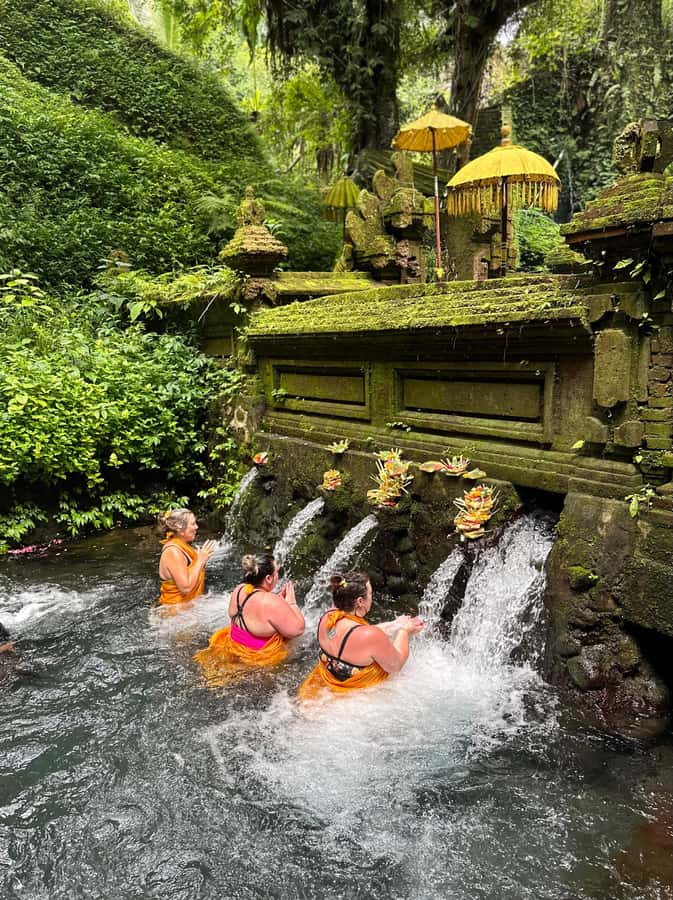
- Pura Mengening and the holy-water ceremony
- Celuk, Batuan, and Bali’s working crafts
- Coffee and herbal tea at Segara Windhu
- Tegallalang Rice Terrace and the Ubud countryside
- Lunch and the rhythm of the six-hour day
- Is $58 a fair price?
- Who should book this experience?
- Booking and guide details to keep in mind
- Should you book this Balinese cleansing tour?
- FAQ
- How long does the Balinese spiritual cleansing experience last?
- Is hotel pickup and drop-off included?
- What languages does the guide speak?
- What should I bring for the holy-water ceremony?
- Can women enter the temple during their period?
- Are lunch and entrance fees included?
- Can I cancel the booking?
Key points to know before booking
- A real spiritual focus: A local healer examines your spiritual condition through ritual, offerings, incense, and personal interpretation.
- Holy water at Pura Mengening: You receive guidance for a bathing ceremony intended to refresh body and mind.
- Several guides are named in the feedback: De Putro, Made Sutama, and Wayan are praised for explaining Balinese culture and helping with photos and ceremony details.
- Good variety in six hours: The day links temples, crafts, coffee, rice terraces, lunch, and shopping without requiring separate bookings.
- Bring a swimsuit and towel: You will need suitable clothing for the water ritual.
- Temple rules matter: Women who are menstruating are not allowed to enter the temple.
What this Balinese cleansing tour is really about
This is not simply a temple tour with a quick blessing added on. Its main purpose is to introduce you to a Balinese approach to spiritual well-being, where ritual, prayer, offerings, and water are used to clear unwanted influences and restore balance.
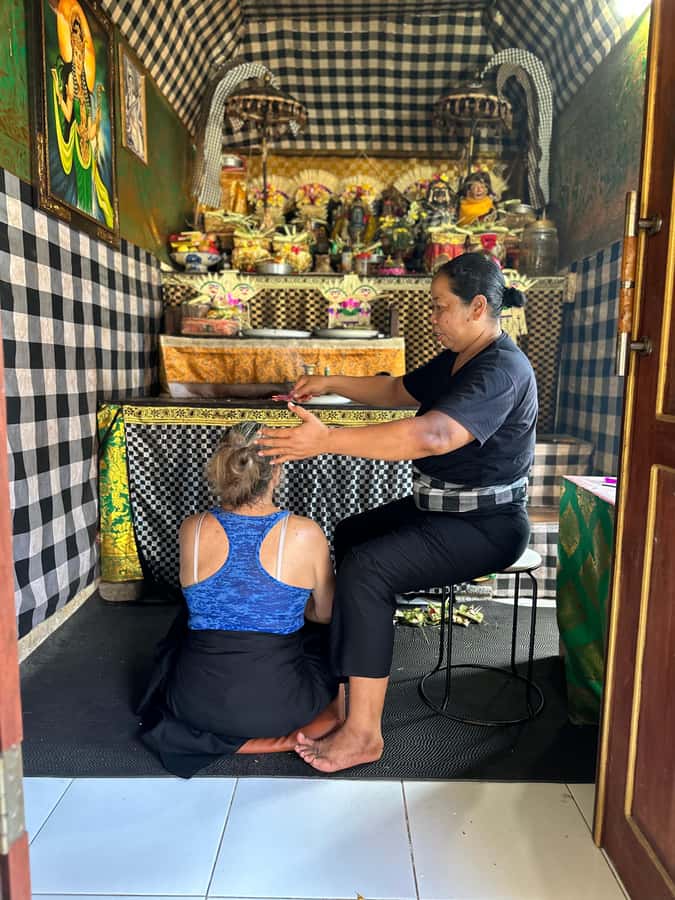
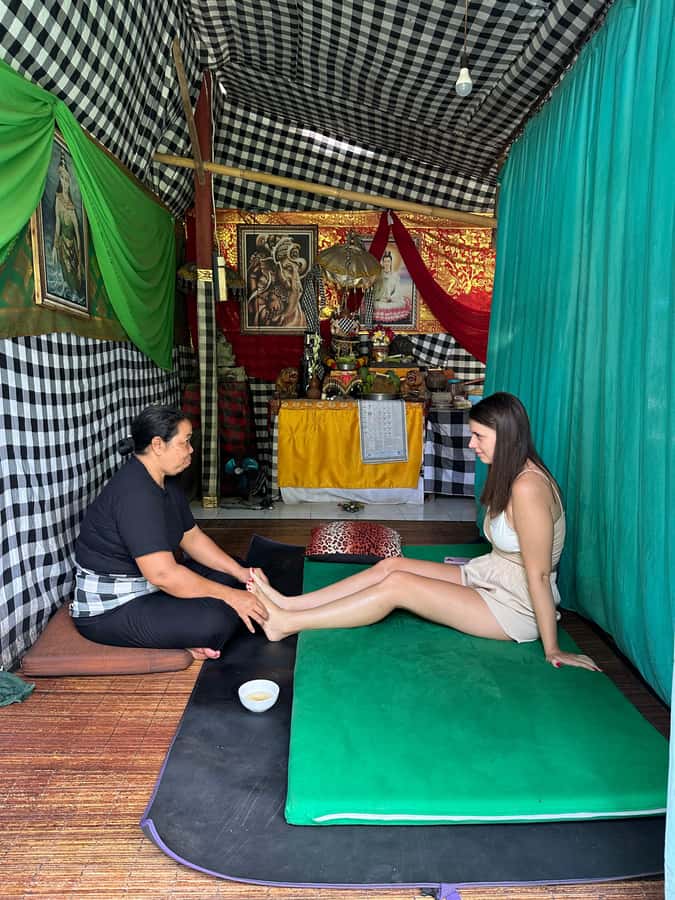
The first part takes place with a local healer, sometimes described as a shaman or spiritual healer. The healer is believed to perceive problems affecting a person’s soul or unseen energy. With incense and offerings, the session is intended to identify spiritual concerns that may be linked in local belief to problems such as poor sleep, headaches, depression, or general unease.
I would treat this as a cultural and religious experience, not medical care. The activity describes possible spiritual benefits, but it does not replace a doctor or other qualified health professional. That distinction matters, especially if you are dealing with a physical or mental health condition.
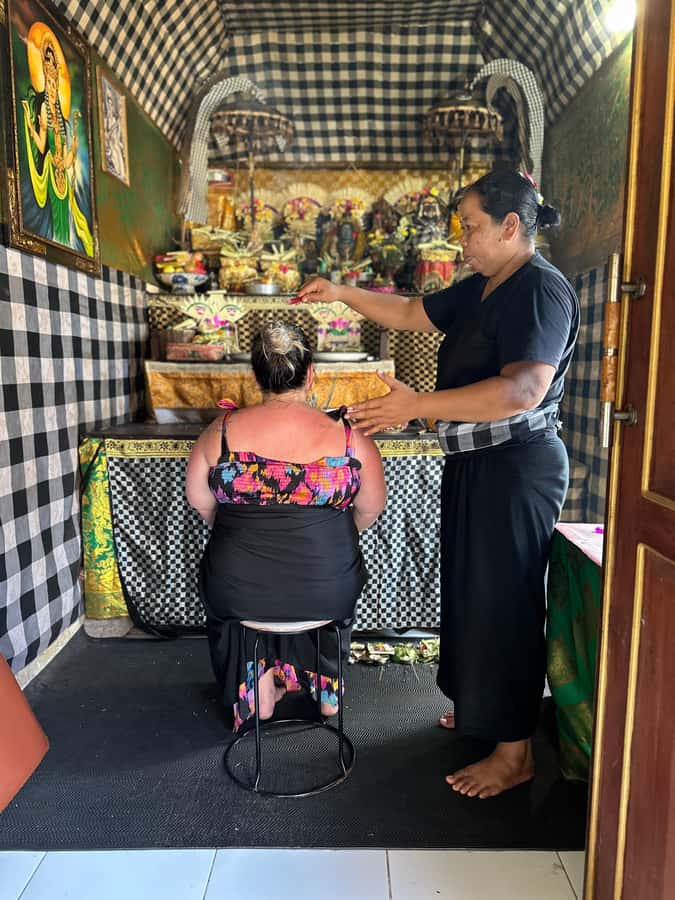
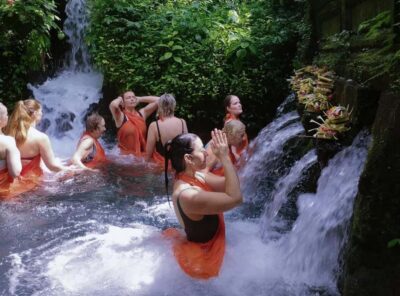
The second major part is the cleansing at Pura Mengening. Water flows through the temple’s sacred bathing area, and the ceremony is meant to wash away negative energy while refreshing the mind. You receive help with the offerings, sarong, and ritual steps, which is useful because temple etiquette can be hard to judge on your own.
A few more Gianyar experiences worth comparing
- Bali: Blue Lagoon Snorkeling & Waterfall Tour with Lunch
★ 4.7 · 637 reviews - Celuk Bali Silver Class – Make Your Own Silver Jewelry
★ 4.9 · 162 reviews - Bali: Magical Fireflies Tour in Taro Village with Dinner
★ 4.8 · 104 reviews
Meeting the local healer
The healer visit gives the day its strongest personal element. Rather than simply looking at an old building, you take part in a ritual built around your own concerns and character.
The supplied details describe offerings and incense being used while the healer observes whether spiritual problems are present. One account also describes drawing something for the healer to interpret, followed by a personality reading. Hand reading or tarot cards may also be available, depending on how the visit is handled that day.
This is an area where you should arrive with an open mind but sensible boundaries. You do not need to accept every interpretation as fact. The value is in seeing how Balinese spiritual practice works and understanding why rituals remain important in daily life.
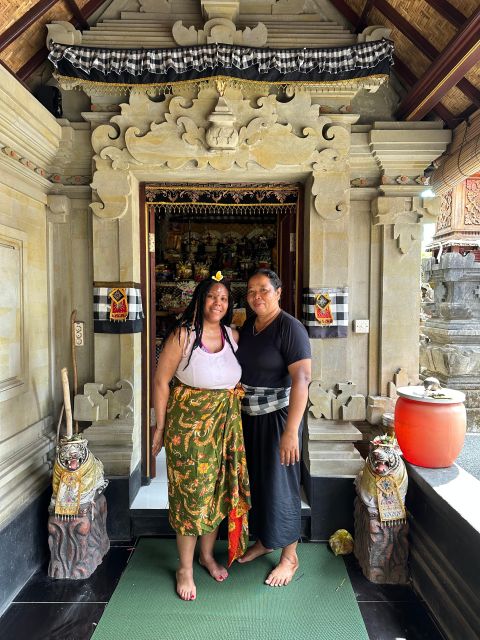
A guide can make a big difference here. De Putro is praised for explaining the day from the start and taking care of practical details. Made Sutama is also singled out for sharing information about Bali, religion, and local customs. Wayan is praised for his warm manner and help with photographs.
The healer visit may not suit everyone. If you want only scenery and architecture, this stop could feel too personal. If you are curious about religion and folk belief, it is likely to be the most memorable part of the outing.
Pura Mengening and the holy-water ceremony
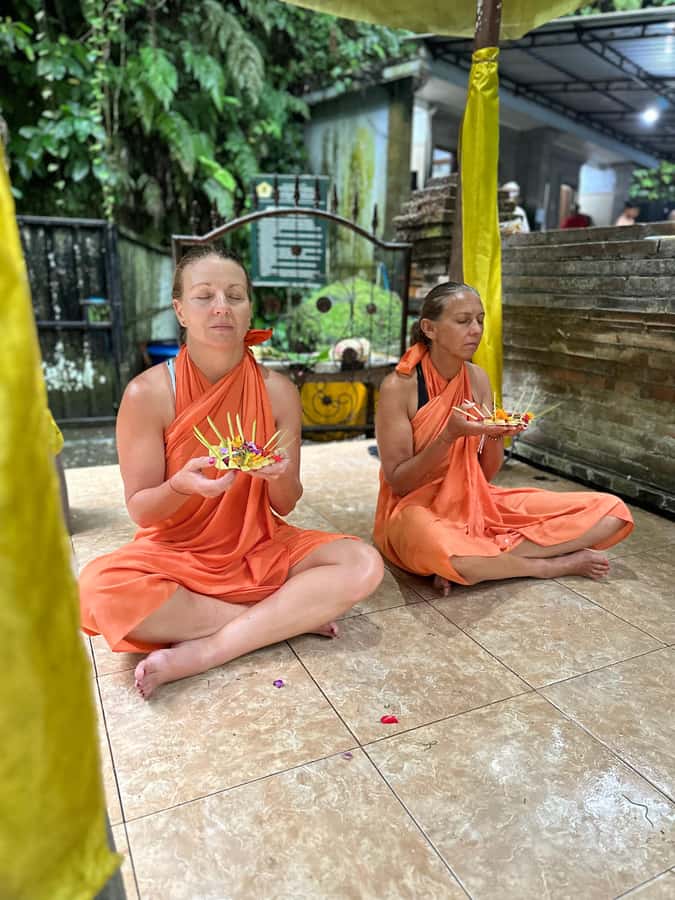
Pura Mengening is where the spiritual theme becomes a physical activity. You change into suitable clothing, put on a sarong, prepare the offerings, and enter the water under the guide’s direction.
You should bring a swimsuit and towel. Sarongs and offerings are included, but your own dry clothing and towel will make the change afterward easier. The tour description does not say how private the changing arrangements are, so modest clothing and a little patience are wise.
The ceremony is intended to cleanse both body and mind. You may pray, pass through the water, and follow a set sequence of purification steps. Your guide should explain what to do, when to make an offering, and how to behave respectfully inside the temple.
Temple etiquette is not a minor detail. Women during their period are not allowed to enter the temple, according to the stated rules. Alcohol and drugs are also prohibited on the activity.
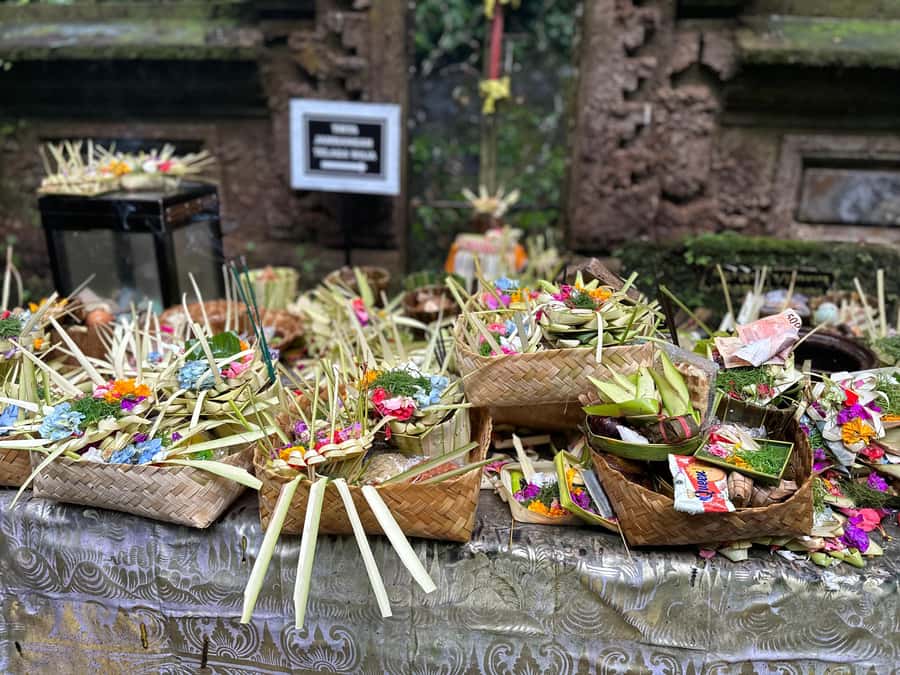
I like that entrance tickets, donations, sarongs, and offerings are included. These small items can otherwise become a source of confusion during a religious visit. The trade-off is that the ceremony follows local customs, not your preferred schedule or personal style.
Celuk, Batuan, and Bali’s working crafts
After the cleansing, the day shifts from spiritual life to skilled handwork. Celuk is known for gold and silver jewelry, and the stop gives you a look at the craft behind the polished pieces sold around Bali.
This is also a shopping stop, so you may see jewelry available for purchase. You should feel free to browse without treating the stop as a required buying opportunity. The tour includes time for photographs, sightseeing, and a guided visit, giving you more than a quick roadside pause.
Batuan Village adds another local craft angle. The itinerary refers to handicrafts, batik, and wood sculpture, with the broader route also associated with Batubulan and Mas. The exact workshop sequence may vary, but the point is to see how Bali’s decorative arts connect with village life and the visitor economy.
These stops are useful if you want context for the souvenirs sold in Ubud. A carved figure or textile means more when you have seen the work involved. The limitation is obvious: anyone focused only on temples and nature may find the shopping portions less appealing.
A different pace of day, same stretch of Bali coast:
- Ubud: Horse Riding, Zip-Line Tour & Waterfall Tour
★ 4.8 · 71 reviews - Ubud: Mangening Water Temple Tour with Spiritual Cleansing
★ 4.9 · 54 reviews - Ubud: Perfume Making Workshop
★ 4.8 · 34 reviews - Bali: Amed, Jemeluk & Lipah Beach Snorkeling Adventure
★ 4.7 · 29 reviews
Coffee and herbal tea at Segara Windhu
Segara Windhu Agrotourism adds a lighter, more relaxed stop. You see coffee and tea production, then have a free tasting of coffee flavors and herbal teas while looking over a green jungle view.
The tasting is included, but shopping is also part of the stop. As with the craft villages, you can browse products without assuming you must buy. I find this kind of visit worthwhile when it explains a local product rather than simply placing you in a shop.
The coffee stop also breaks up the more serious mood of the healer and temple visits. You can sit, taste several drinks, and take photos before moving on. If you do not drink coffee, the herbal teas give you another option, though the available flavors are not specified.
Tegallalang Rice Terrace and the Ubud countryside
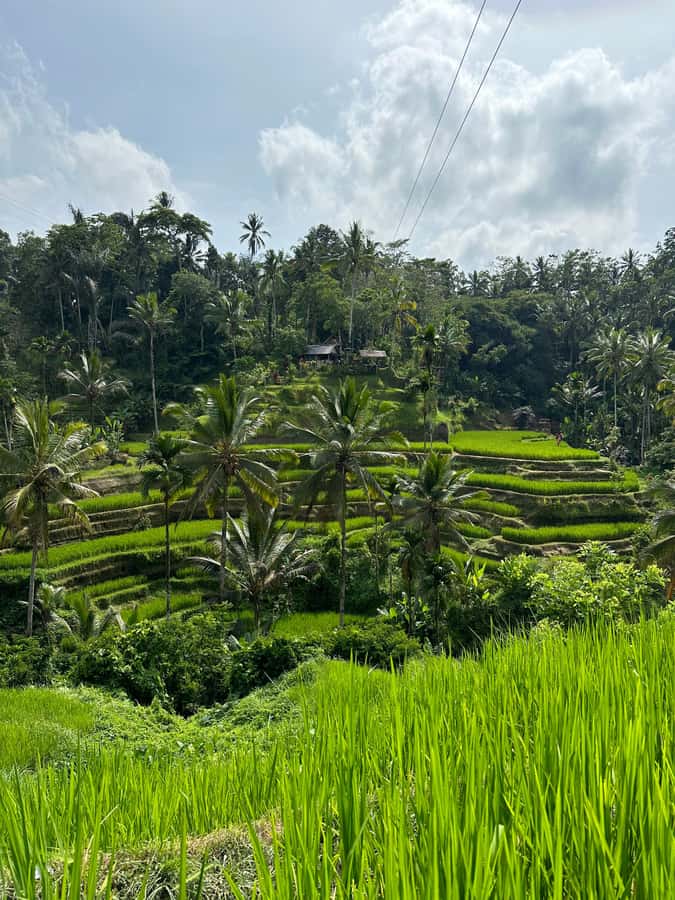
Tegallalang Rice Terrace is the scenic anchor of the route. The fields sit in a valley, creating layered views across cultivated slopes and green surroundings.
Tegallalang, along with the rice fields around Pejeng and Campuhan, is part of the group of terraced areas associated with the Ubud region. The site is listed as part of a UNESCO World Heritage area, which helps explain its popularity and its place on so many Ubud day trips.
You get time for a photo stop, sightseeing, and shopping. The setting is good for slowing down after the temple ceremony, especially if you choose a quiet viewpoint rather than rushing from one picture to the next.
There is a practical catch. Tegallalang is popular, and the exact feel of the stop can depend on the day and time. The activity’s spiritual visits may be quieter than the best-known Ubud sites, but the rice terrace is still a recognizable attraction with visitor facilities and commercial stops.
Lunch and the rhythm of the six-hour day
Lunch at a local Balinese restaurant is included. The provided details do not specify a fixed menu, so you should not book this expecting a particular dish or dietary arrangement unless you confirm it in advance.
The lunch break matters because this is a packed half-day. You move between spiritual, craft, food, and scenic stops, and a proper pause keeps the route from feeling like one long series of quick photographs.
The total duration is six hours, with the listed stops each receiving roughly an hour. That timing includes visits, guided explanations, free time, shopping, and the road connections between places, so do not expect a full hour of uninterrupted activity at every site.
Hotel pickup and drop-off in Bali are included, along with mineral water. Pickup instructions ask you to wait 15 minutes before the scheduled time. Since traffic and road conditions can affect the day, keep your schedule afterward flexible.
Is $58 a fair price?
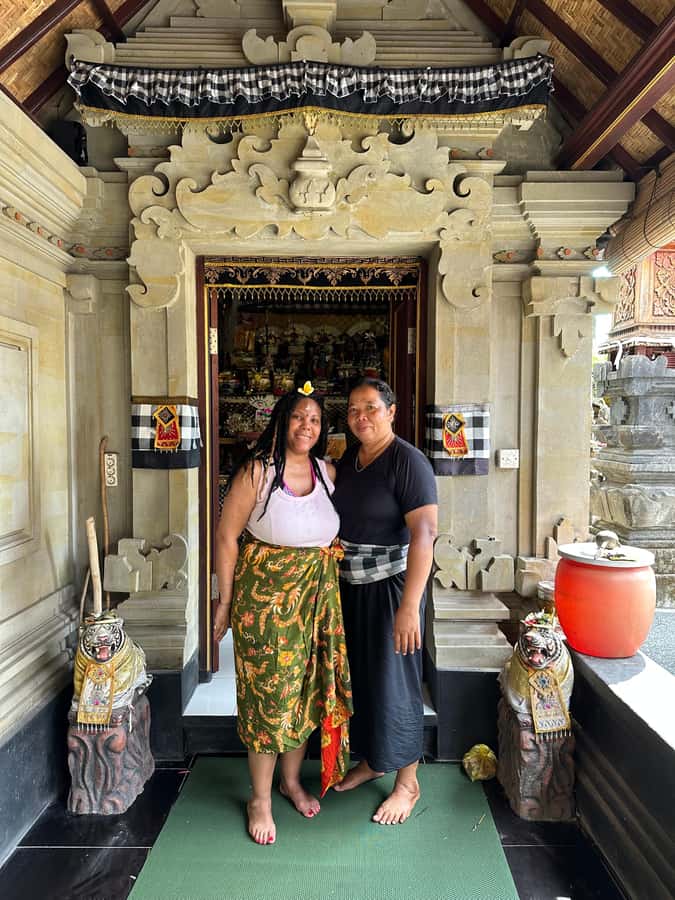
At $58 per person, this is a strong value if you want several Bali experiences in one organized outing. The price includes private-style transport with a driver acting as your personal guide, hotel pickup and return, entrance tickets, temple donations, sarongs, offerings, lunch, and mineral water.
Booking each piece separately would take more planning. You would need to arrange transport to a healer, find a way to join the holy-water ceremony respectfully, pay temple donations, visit the craft villages, stop for coffee, and organize lunch and Tegallalang in the same day.
The value is also tied to the guide. A good guide does more than drive. De Putro, Made Sutama, and Wayan are all described as attentive, helpful, and willing to explain Bali’s culture. One account notes that the guide took photographs and handled ceremony details, which is especially useful when your hands are occupied with offerings or ritual steps.
The price is less attractive if you dislike shopping stops or have no interest in spiritual practice. In that case, a simple rice terrace and temple tour may suit you better. You are paying for the combination of personal ritual, cultural explanation, transport, and sightseeing.
Who should book this experience?
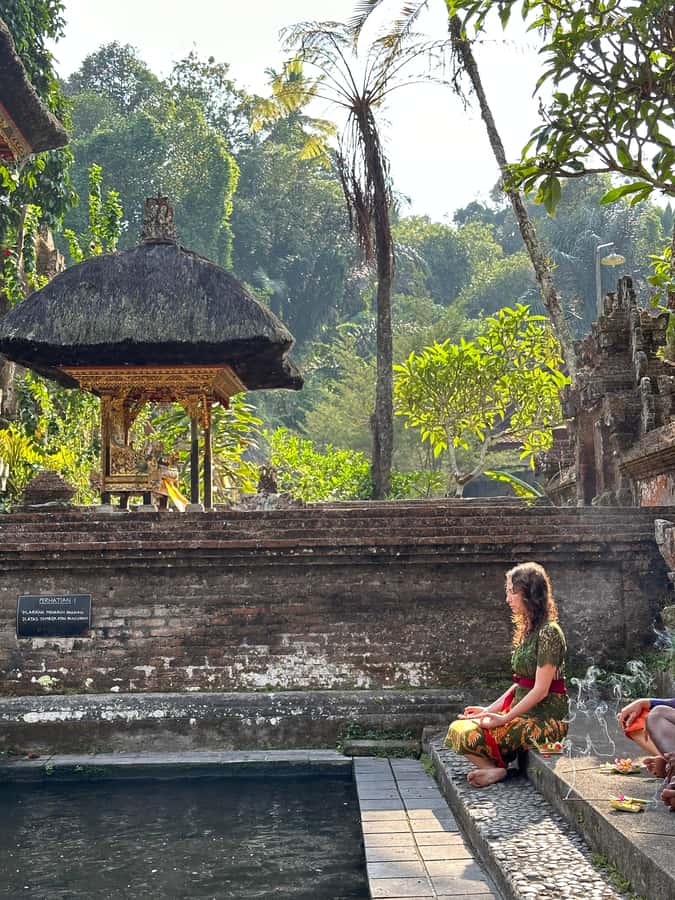
I would choose this tour if you want to understand a side of Bali that is not limited to temples and scenic viewpoints. It suits curious visitors who are comfortable taking part in a religious ceremony and who want a guide to explain what is happening.
It also works well for couples and first-time visitors who want a broad introduction to Ubud-area culture in one day. The included lunch and transport make it easy, while the variety prevents the route from feeling tied to one subject.
You should think twice if you need full control over the schedule, dislike shopping, or want a quiet nature outing. The healer visit can also feel confronting if you are uncomfortable with personal readings or claims about spiritual illness.
The activity is not suitable for people over 95, according to the stated conditions. The temple also has a rule barring women during their period. Bring swimwear and a towel, avoid alcohol and drugs, and dress in a way that allows you to take part respectfully.
Booking and guide details to keep in mind
The experience is offered in Indonesian and English, with a live guide and hotel pickup included. The provider is Gede Saputra, while the specific driver or guide may vary. Names associated with the experience include De Putro, Made Sutama, and Wayan.
You can cancel up to 24 hours before the activity for a full refund. A reserve-now, pay-later option is also available, which helps if your Bali plans are still shifting.
The experience has received a top rating across nine verified bookings, with especially strong praise for guide warmth, cultural explanations, photographs, and attention to personal needs. I would place the greatest weight on those practical qualities because the ritual is much easier when your guide is patient and clear.
Should you book this Balinese cleansing tour?
Book it if the idea of a traditional blessing and holy-water ritual interests you and you want it paired with Bali’s crafts, coffee, rice terraces, and lunch. The combination offers a fuller picture of local life than a standard sightseeing loop.
Skip it if you want only famous sights, dislike spiritual readings, or prefer to avoid shopping stops. For the right person, $58 is a fair price for transport, meals, ritual supplies, and a guide who helps you take part with respect. Just bring swimwear, a towel, and an open but sensible mind.
FAQ
How long does the Balinese spiritual cleansing experience last?
The activity lasts six hours. Check availability for the exact starting time.
Is hotel pickup and drop-off included?
Yes. Pickup and drop-off at your Bali hotel are included. You should wait 15 minutes before the scheduled pickup time.
What languages does the guide speak?
The live guide service is available in Indonesian and English.
What should I bring for the holy-water ceremony?
Bring swimwear and a towel. Sarongs and offerings are included.
Can women enter the temple during their period?
No. The stated temple rule does not allow women during their period to enter.
Are lunch and entrance fees included?
Yes. Lunch, mineral water, entrance tickets, donations, sarongs, and offerings are included.
Can I cancel the booking?
Yes. You can cancel up to 24 hours in advance for a full refund. A reserve-now, pay-later option is also available.
Recently added around Gianyar
- Ubud: Healing & Purification with Shaman at Hidden Temple★ 3.3 · 3 reviews
- Bali: A Full-Day Tour to Goa Raja, Tibumana and Tukad Cepung★ 5.0 · 3 reviews
- Bali: 3 best waterfall and tegalalang rice terrace★ 5.0 · 3 reviews
- Bali: Barong Dance Show, Ricefields Tegallalang & Waterfall★ 5.0 · 3 reviews
- Bali: Sacred Water Temple Ritual and Balinese Healing Spa★ 3.6 · 3 reviews
- Chasing Cascades: Bali Waterfall Tour★ 4.6 · 3 reviews
- Bali: HIGHLIGHTS OF BALINESE ART TOUR★ 4.5 · 3 reviews
- Bali: Temples, waterfall, and Rice Terrace Guided Tour★ 5.0 · 3 reviews
Gianyar Tours, compared.

Blue Lagoon Snorkeling & Waterfall Tour with Lunch
Read our review →
Celuk Bali Silver Class – Make Your Own Silver Jewelry
Read our review →
Magical Fireflies Tour in Taro Village with Dinner
Read our review →
Mangening Water Temple Tour with Spiritual Cleansing
Read our review →

Amed, Jemeluk & Lipah Beach Snorkeling Adventure
Read our review →
Browse the lists this tour appears in