
Reviewed · HIKING & TREKKING
From Bali: Ijen Volcano Sunrise Hike with Transfer & All Fee
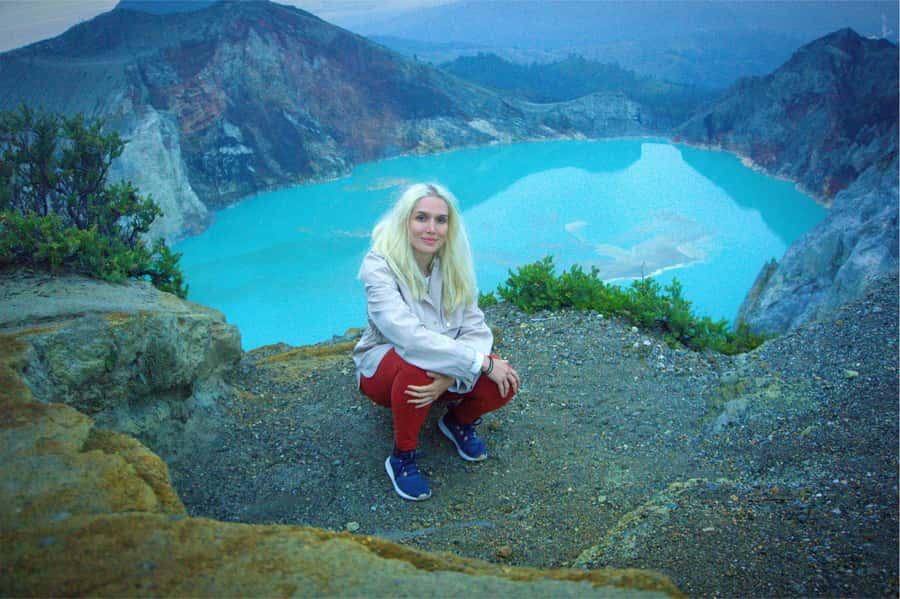
Ijen’s blue fire is the hook: a rare natural glow from burning sulfur gases, seen before dawn inside the crater. I like that this trip handles the awkward Bali-to-Java connection for you, including both ferries, drivers, entry fees, and the required health check. I also like the local guides, with names such as Yanto, Rafi, Qim Qim, and Sopi repeatedly praised for safety, humor, and steady encouragement.
The drawback is the price of the volcano itself: you pay with sleep and stamina. From southern Bali, the journey can take many hours each way, and the steep hike is harder than the simple 1.5-hour figure suggests. Blue fire is never guaranteed, and the descent toward it is rocky and potentially hazardous.
In This Review
- Key points to know before booking
- Why the Ijen blue fire is worth the long night
- The real itinerary: Bali to Java overnight
- The one-hour ferry ride from Bali to Java
- Starting the Ijen hike around 2 am
- Descending toward the sulfur flames
- Sunrise above Java’s acid lake
- Returning to the parking area and Bali
- What the $98 price really covers
- The guides make a practical difference
- Who should book this Ijen day trip
- Should you book it?
- FAQ
- How long does the Ijen tour from Bali last?
- Is hotel pickup and drop-off included?
- Does the tour include the ferry?
- How long is the Ijen hike?
- Is the blue fire guaranteed?
- What should I wear for the hike?
- Are food and drinks included?
- What equipment does the tour provide?
- Do I need my passport?
- Who should not take this tour?
Key points to know before booking
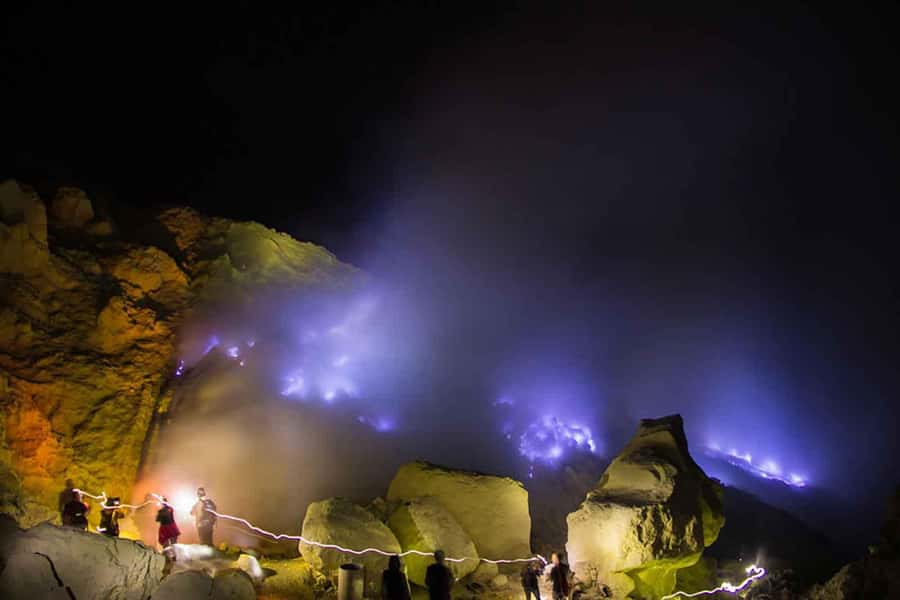
- Blue fire requires luck and effort: You may see the glow only if weather and conditions allow, and reaching it involves a steep, rocky descent.
- The Bali transfer is the main convenience: Hotel pickup, two ferry crossings, Java transport, and drop-off are arranged for you.
- The hike begins around 2 am: Expect a night with little or no sleep before the return to Bali.
- Guides are a major strength: Yanto, Rafi, Qim Qim, Sopi, and other local guides are praised for support, photos, safety, and information about mining.
- Bring food and warm layers: Food and drinks are not included, and Ijen can be very cold at the summit.
- The mining story is complicated: You will see sulfur workers carrying heavy loads, an important part of the mountain’s daily life but not a tourist spectacle to treat lightly.
Why the Ijen blue fire is worth the long night
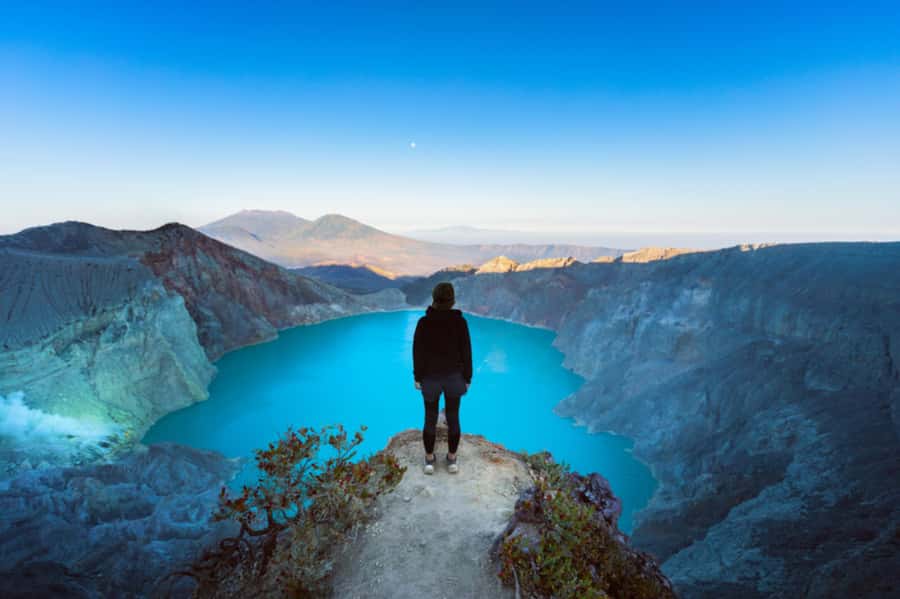
Mount Ijen offers two very different sights in one climb. Before sunrise, you may see electric-blue flames flickering near the sulfur deposits. After dawn, the crater becomes easier to see, revealing a large acid lake surrounded by steep volcanic slopes.
The blue fire is not ordinary lava. It comes from sulfur gases emerging at high heat and igniting in the open air. The color can look almost unreal in the dark, but it is a natural effect, not a staged light show.
You should keep expectations in check. The glow can be faint, hidden by smoke, or impossible to reach because of weather and safety conditions. One booking is not a guarantee of blue fire, and no guide can change that. Still, the chance to see it makes this one of the more unusual day trips available from Bali.
The sunrise is a second reward, but it also depends on timing and weather. A clear morning may give you broad views across the crater and its lake. A cloudy or rainy morning can turn the summit into a cold, misty walk. One recent account points out that the best sunrise views over the lake are often found from June through August. At other times, the view can still be beautiful, but clouds may block the sun.
More hikes around Bali:
- Bali: Mount Batur Sunrise Guided Hike and Natural Hot Spring
★ 4.8 · 9,284 reviews - Bali: Sunrise Mount Batur Hike with Breakfast
★ 4.8 · 6,973 reviews - Bali: Mount Batur Sunrise Hike and Hidden Waterfall
★ 4.8 · 591 reviews
The real itinerary: Bali to Java overnight
Your night begins with pickup at your Bali accommodation. The exact hour depends on where you stay, but the operator allows a long travel window because the trip crosses much of Bali before reaching Gilimanuk Port.
For people staying in the south, the total road distance to Ijen is estimated at about 180 kilometers, though the trip can be shorter from areas near Gilimanuk. Pickups from Canggu, Sanur, Ubud, and other parts of Bali are possible, but you should expect a long vehicle ride before the hike even starts.
This is where the organized format earns its keep. You do not need to arrange a late-night taxi, find the port, buy ferry tickets, cross to Java, and then locate the mountain on your own. Communication is handled through WhatsApp, and clear pickup instructions matter because you will be moving between different drivers and vehicles.
Several drivers receive strong praise for safe, smooth driving during this long transfer. Names that appear in the tour feedback include Ari, Farid, Aldo, Okta, and Hendra. Some drivers have helped with small comforts such as phone charging, drinks, or a pillow for the ride. Those details matter more than they might on a short excursion.
The one-hour ferry ride from Bali to Java
At Gilimanuk, you board the ferry for the crossing to Ketapang Port in Banyuwangi. The sailing takes about one hour, and the round trip is included in the price.
The ferry is not the scenic centerpiece of the tour, but it breaks up the long road journey and gives you a change of pace. At Ketapang, another driver takes you onward to the Ijen base area. The handoff may sound complicated, but it is part of why this package is useful for anyone who does not want to manage Indonesian transport connections in the middle of the night.
You should keep your passport or a copy close at hand. A copy is accepted, but the operator asks you to send it after booking. This is not the moment to discover that your documents are buried in the bottom of your luggage.
Starting the Ijen hike around 2 am
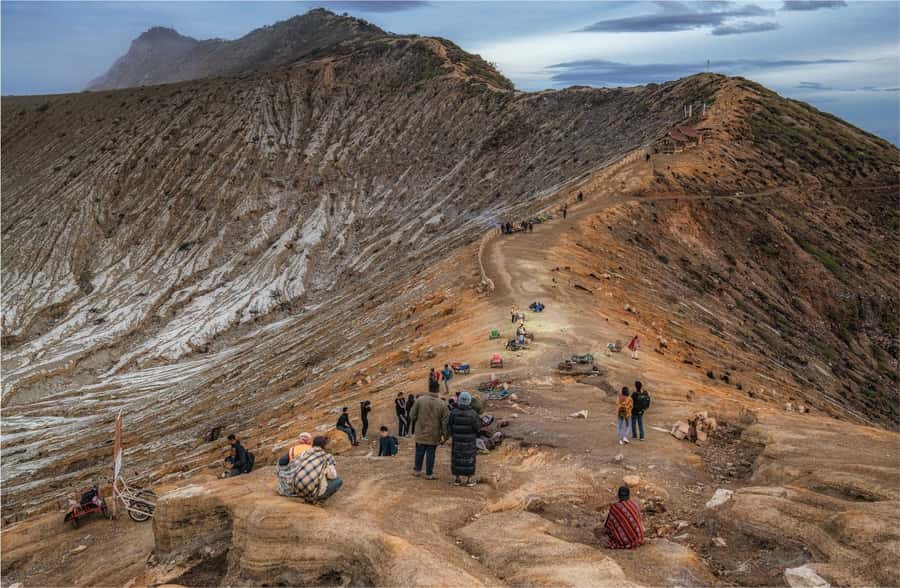
After arriving near the basecamp, you have a short period to prepare before setting off. The hike to the crater viewpoint takes about 1.5 hours, with the group often starting close to 2 am.
That number can make the hike sound mild. It is not a technical climb, but the uphill route is steep enough to test your legs, especially after a long drive and little sleep. The difficulty depends on your fitness, pace, weather, and how comfortable you are walking in darkness.
Guides stay with the group and help set the pace. Yanto is often praised for watching carefully over the group, while Rafi and Qim Qim are noted for keeping spirits up when the climb gets tiring. Sopi and other guides are also credited with clear safety instructions and hands-on help.
You should bring comfortable shoes with good grip. Sporty clothing is essential, and one account specifically advises proper climbing shoes for the rocky descent toward the blue fire. Headlamps are included, but your own small light can still be useful as a backup.
It can be very cold near the top, so bring warm clothing. You may warm up while walking uphill, but wind, waiting, and early morning temperatures can make the crater rim feel much colder than Bali.
More private drivers in Bali:
- Bali: Full-Day Nusa Penida Highlights Tour with Transfer
★ 4.5 · 1,798 reviews - Bali: ATV Mason Jungle Buggy Adventure with Lunch & Transfer
★ 4.2 · 152 reviews - Denpasar Arrival Transfer: Airport to Hotel
★ 4.5 · 105 reviews - Bali: Countryside Bird Watching Tour with Hotel Transfer
★ 4.6 · 82 reviews
Descending toward the sulfur flames
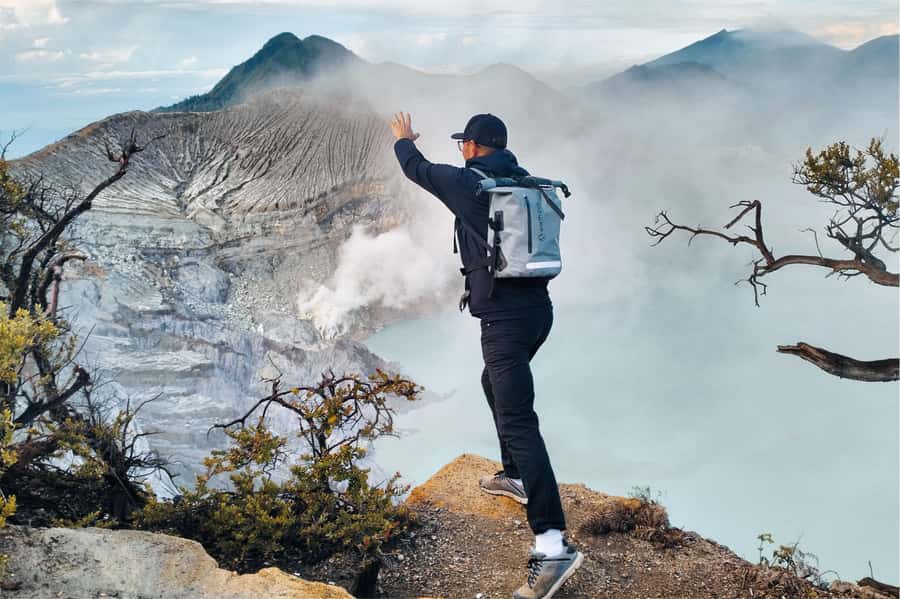
The route to the blue fire is the most demanding part of the outing. You leave the main path and descend toward the crater area over uneven, rocky ground. This section is not suitable for anyone who wants a gentle sightseeing walk.
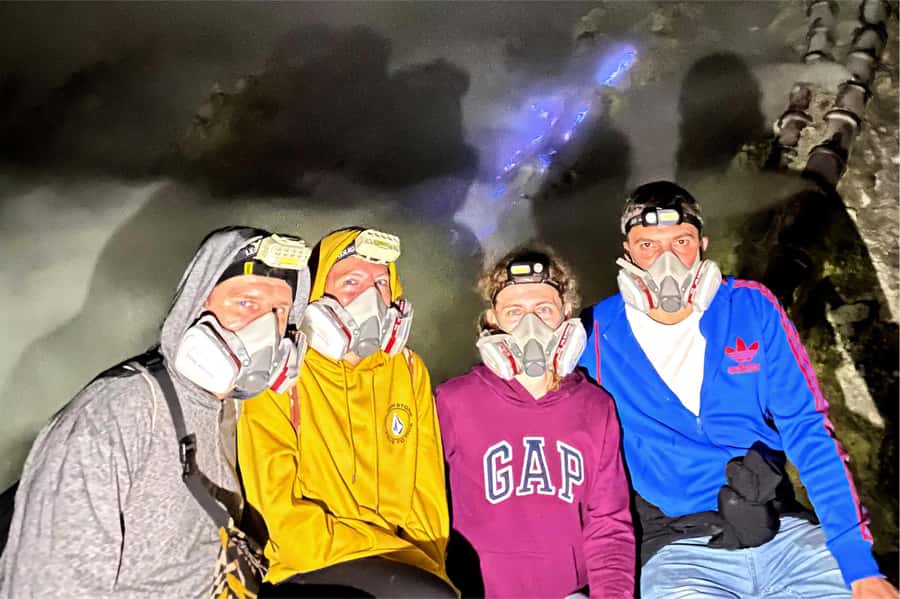
You may also encounter sulfur fumes. The tour provides a mask and headlamp, but you should follow your guide’s instructions closely and avoid wandering away from the group. Weather and gas conditions can affect whether the descent is permitted or whether the flames are visible.
If conditions allow, the sight is striking. The blue glow appears against the darkness, often surrounded by smoke and the harsh outlines of the crater. It is brief, raw, and very different from a standard sunrise viewpoint.
The timing matters. Groups that reach the area early may have more space for photographs before more people arrive. Your guide may also point out safer photo spots. Guides such as Rafi and Yanto are praised for taking pictures while keeping an eye on footing and group safety.
Do not treat the descent as a photo stop first and a safety issue second. The path is rocky, the hour is late, and tired legs make missteps more likely. If you are unsteady, tell your guide. Missing part of the blue fire section is better than turning an adventure into an injury.
Sunrise above Java’s acid lake
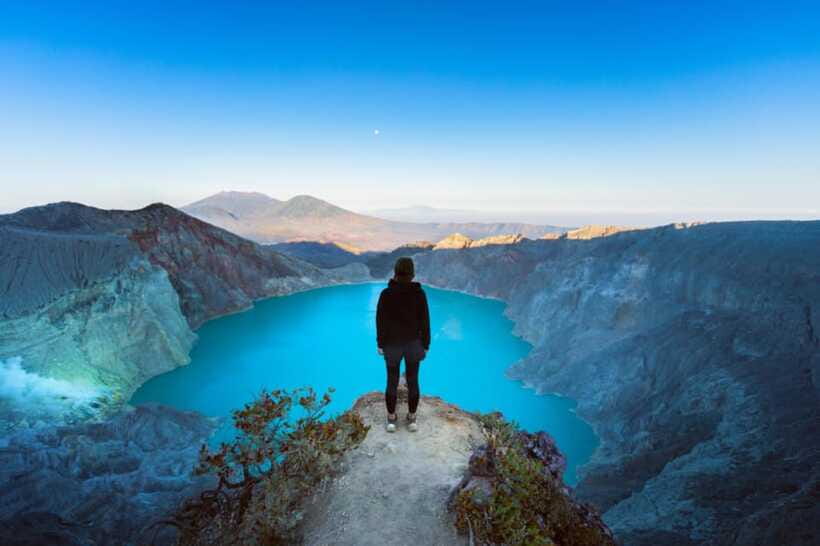
After the night portion, you return to the crater rim or viewpoint for the morning view. This is where Ijen changes character.
In daylight, you can see the large acid lake below, often described as the biggest acid lake on Java. The crater’s scale becomes clearer, and the muted colors of rock, water, and smoke replace the blue glow of the night.
The sunrise may be the most photogenic part of the trip, but it is not guaranteed to appear clearly. Cloud and rain can hide the sun or soften the view. If you visit outside June through August, plan for a worthwhile crater visit rather than a perfect sunrise over the lake.
You will also see sulfur miners working around the mountain. Some carry heavy loads of sulfur rock by hand, walking routes that visitors use for a short time but that form part of their daily work.
This is an important human detail, but it deserves respect. Do not turn the miners into background props or block their route for a photograph. The working conditions can look severe, and one account raised serious concern about the burden placed on the workers. The guide can help explain the mining, but the best approach is to observe quietly and remember that this is someone’s livelihood.
Returning to the parking area and Bali
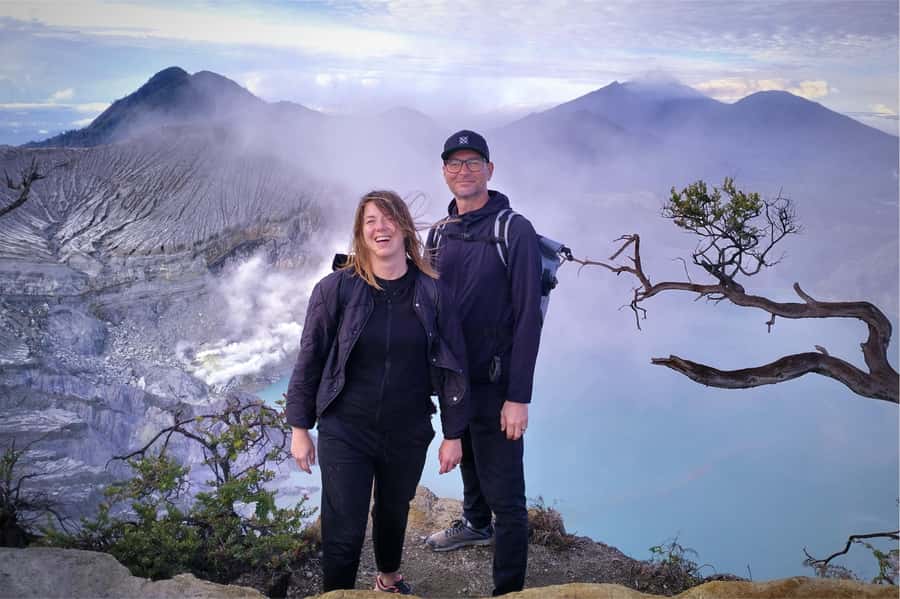
After about 1.5 hours of sightseeing, you begin the walk back down. The return walk is listed at roughly one hour, though your actual pace may vary.
The descent can be kinder to your lungs and tougher on your knees. Trekking poles are not listed among the included items, so people with knee concerns should think carefully before booking. The tour is not suitable for pregnant women, people with heart problems, or people with respiratory issues.
At the parking area, you rejoin the vehicle and begin the return journey. You cross from Ketapang back to Gilimanuk, then continue to your Bali accommodation. The advertised arrival is around 4:30 pm, although traffic, ferry timing, and your original pickup area can affect the exact hour.
This is an 18-hour experience, not a compact morning excursion. You may be back in Bali by afternoon, but the next day can feel like recovery time. I would avoid placing an important flight or demanding activity immediately afterward.
What the $98 price really covers
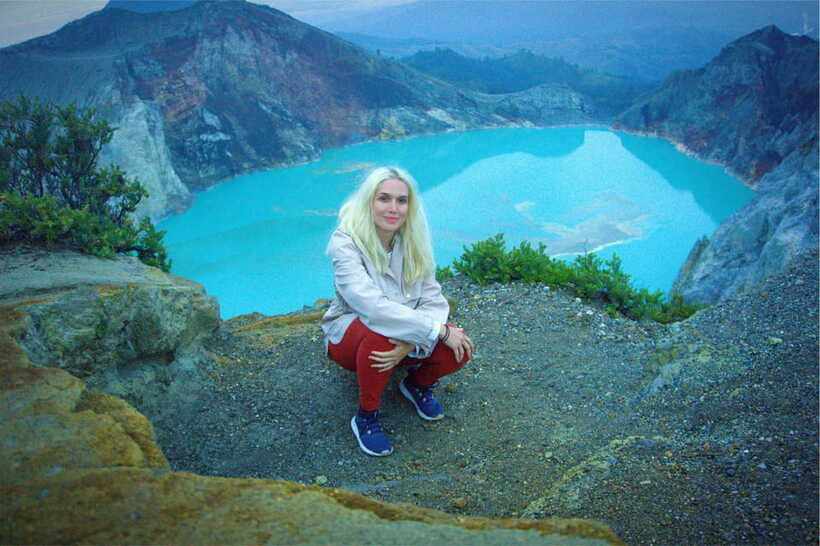
At $98 per person, the tour is not the cheapest way to see Ijen, but it covers many costs that are easy to underestimate.
Included are hotel pickup and drop-off in Bali, entry fees, the health check certificate, local trekking guide, round-trip ferry tickets, taxes and donations, a mask, and a headlamp. Food and drinks are not included, and the schedule is too tight to assume you will find a proper meal at the right time.
The strongest value is convenience. You are paying to connect a Bali hotel with a Java volcano during the night, using several drivers and two ferry crossings without having to arrange each stage yourself. For a first visit to Indonesia, that reduction in guesswork can be worth a lot.
The trade-off is comfort. This is not a private car retreat with long meal breaks. The group is limited to 12 people, which is small enough for a guide to keep track of you, but you still share transport and follow a tight schedule.
Bring sandwiches, fruit, snacks, and water. You will want food during the transfer or before the climb, and the tour specifically tells you to bring your own because there is little spare time.
The guides make a practical difference
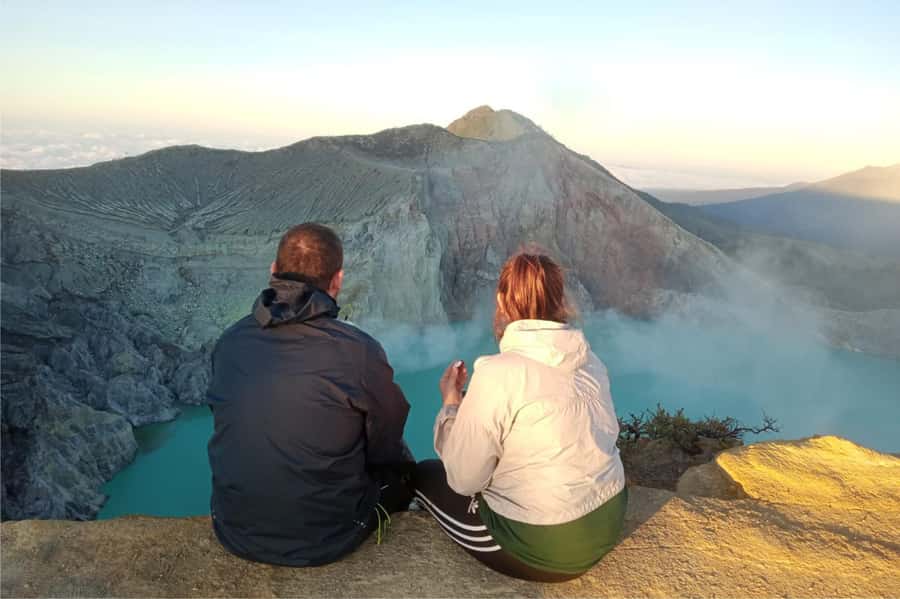
The guide can change the tone of this experience. You are climbing in the dark after a long transfer, so a guide who watches the group and keeps people moving is valuable.
Yanto is repeatedly praised for careful assistance, clear explanations, and good photographs. Rafi is described as energetic, funny, and safety-minded, with a knack for encouraging beginners. Qim Qim receives similar praise for keeping the group together and helping people reach the blue fire area early.
Sopi, Nido, Fauzi, Didit, Sule, and other guides are also named in the feedback connected with this experience. The common thread is not a scripted performance. It is direct help on steep sections, information about sulfur mining and the volcano, and attention to people who are struggling.
Pace can vary. One person found the guide too fast, while others found the hike manageable. Tell your guide early if you need a slower rhythm. The small-group limit helps, but it does not make the climb equally easy for everyone.
Who should book this Ijen day trip
I would choose this tour if you want to see Ijen from Bali and value a ready-made plan more than free time. It suits people with reasonable stamina who can handle a steep hike, a rocky descent, cold conditions, and a long night in vehicles.
It is also a good fit for solo visitors who want organized transport and a small group. The included guide gives you support on the mountain, and the shared format can make the long transfer less lonely.
I would hesitate if you dislike overnight travel, have knee or breathing problems, or want a relaxed holiday schedule. The blue fire may not appear, the weather may block the sunrise, and the ferry and road sections take up much of the day.
The experience also asks you to think about what you are seeing. Ijen is not only a dramatic volcano. It is a workplace for miners, and their heavy labor is part of the mountain’s reality. Go with curiosity and respect, not only with a camera.
Booking is flexible, with cancellation allowed up to 24 hours before departure for a full refund, and you can reserve now and pay later. Ijen closes on the first Friday of every month, so check the date before you commit.
Should you book it?
Book this tour if blue fire is high on your Indonesia wish list and you want Bali pickup, ferry tickets, a Java driver, entry costs, and a mountain guide bundled into one demanding night.
Skip it if you need guaranteed views or an easy walk. The best reason to go is the complete mix of volcanic fire, sunrise, sulfur mining, and the unusual experience of crossing from Bali to Java before dawn. The best reason to think twice is the long transfer and the steep route.
At $98, the package offers good practical value for an 18-hour cross-island trip. Just pack food, warm layers, sturdy shoes, a passport copy, and realistic expectations.
FAQ
How long does the Ijen tour from Bali last?
The tour lasts about 18 hours. Pickup is at night, and arrival back at your Bali accommodation is expected around 4:30 pm.
Is hotel pickup and drop-off included?
Yes. Pickup and drop-off at accommodations in Bali are included.
Does the tour include the ferry?
Yes. Round-trip ferry tickets between Gilimanuk in Bali and Ketapang in Banyuwangi are included. Each crossing takes about one hour.
How long is the Ijen hike?
The uphill hike to the crater viewpoint takes about 1.5 hours. The sightseeing portion lasts about 1.5 hours, followed by a walk of roughly one hour back to the parking area.
Is the blue fire guaranteed?
No. Blue fire is a natural phenomenon, and visibility depends on weather and conditions at the volcano.
What should I wear for the hike?
Wear comfortable, sturdy shoes and sporty clothing. Bring warm layers because it can be very cold near the top. Climbing shoes are especially useful for the rocky descent toward the blue fire.
Are food and drinks included?
No. Food and drinks are not included. Bring your own snacks and water because the schedule is tight.
What equipment does the tour provide?
The tour provides a mask and headlamp. Entry fees, the health check certificate, ferry tickets, guide, taxes, and donations are also included.
Do I need my passport?
Yes. Bring your passport, although a copy is accepted. You are asked to send a passport copy after booking.
Who should not take this tour?
The tour is not suitable for pregnant women, people with heart problems, or people with respiratory issues. You also need enough stamina for a steep hike and rocky descent.
More Early-Morning Starts in Bali
- Mount Batur: Sunrise Jeep Tour & Natural Hot Spring
★ 4.8 · 2,512 reviews - North Bali: Sunrise Tour with Dolphins, Waterfalls & Temples
★ 4.6 · 831 reviews - Bali: Mount Batur Guided Sunrise Trek with Breakfast
★ 4.6 · 321 reviews - Bali: Mount Batur Sunrise Jeep Tour with Jungle Swing
★ 4.8 · 276 reviews
Recently added around Bali
- Bali: Private Lempuyang Temple, Water Temple & Rice Terraces★ 5.0 · 3 reviews
- Bali: Mountain Bike Tour and River Rafting with Lunch★ 5.0 · 3 reviews
- Bali: Sidemen Waterfall tour and temple purification★ 5.0 · 3 reviews
- Bali: Padangbai Blue Lagoon Scuba Diving Private Tour★ 5.0 · 3 reviews
- Bali’s Mystical Jungle Trek & Hidden Waterfall Adventure★ 4.3 · 3 reviews
- From Bali: Mount Bromo & Ijen volcanic private tour★ 5.0 · 3 reviews
- Bali: 7 Day Solo Traveler’s Yoga Retreat In Ubud★ 5.0 · 3 reviews
- Bali: Photo Shoot with a Private Vacation Photographer★ 5.0 · 3 reviews
Hiking & Trekking, compared.
Mount Batur Sunrise Guided Hike and Natural Hot Spring
Read our review →
Mount Batur Sunrise Trek With Guide and Breakfast
Read our review →
Munduk Waterfalls Trek, Twin Lakes and Temple Tour
Read our review →Browse the lists this tour appears in