
Reviewed · E-BIKES
Jatiluwih (UNESCO Site) 2-Hour E-Bike Cycling Tour
Jatiluwih is one of Bali’s best places to see rice farming on a grand scale. This UNESCO-listed valley spreads across more than 300 hectares, with terraces running between four extinct volcanoes. An e-bike makes the hills manageable, so you can watch village life and the famous Subak irrigation system without turning the outing into a hard workout.
I like two things here: the scenery changes quickly, from jungle and giant bamboo to open rice terraces, and lunch is built into the experience rather than left to chance. The small group limit of 12 also gives you a better shot at hearing the guide and keeping a comfortable pace.
The main caution is consistency. Some recent participants had bike problems, missing helmets, falls near the rice fields, and far less cycling than expected. The advertised duration is two hours, but the actual time on the bikes may depend heavily on the guide, equipment, stops, and group.
In This Review
- Key points to know before booking
- From Batukaru’s temple area to the first village roads
- Why the e-bike makes Jatiluwih easier
- Bamboo forest, jungle, and village life
- Reaching the heart of UNESCO-listed Jatiluwih
- Lunch after the ride
- The timing question: two hours on paper
- What the $69 price really covers
- Who will enjoy this ride most
- Practical ways to improve your day
- Should you book the Jatiluwih e-bike tour?
- FAQ
- Where does the Jatiluwih e-bike tour meet?
- Is hotel pickup available?
- How long is the activity?
- Is lunch included?
- What language does the guide speak?
- What should I bring?
- Who cannot join the tour?
Key points to know before booking
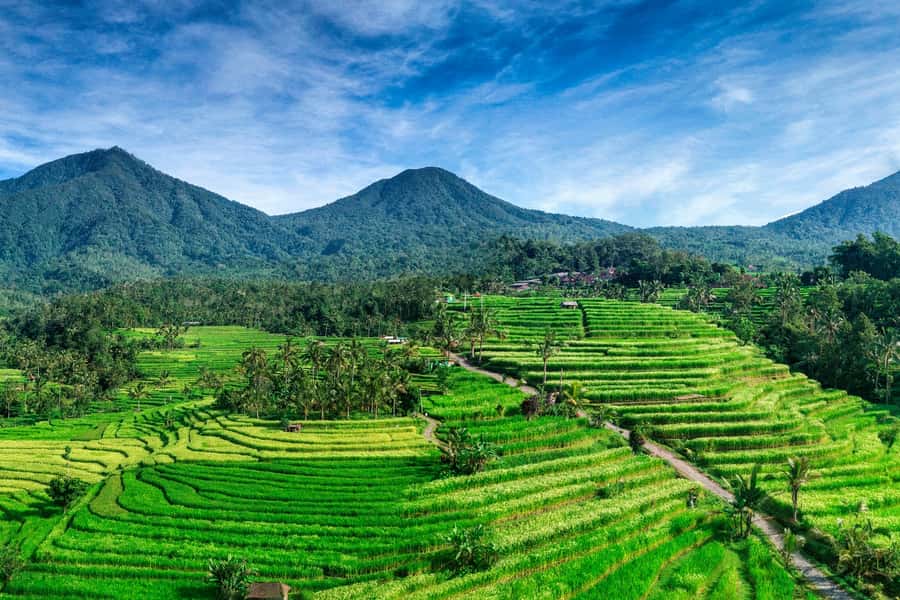
- Jatiluwih’s 300-plus hectares of terraces give you broad views that are quite different from Bali’s smaller, more crowded rice-field stops.
- The e-bike handles the hills, making this a reasonable active outing for riders who want scenery without a strenuous climb.
- The route starts near Batukaru Temple, but the temple itself is not part of the visit.
- Jungle, giant bamboo, villages, and terraces appear along the road toward the center of Jatiluwih.
- Lunch includes Indonesian food, coffee, tea, and free-flow water, though food quality can vary.
- Equipment checks matter: the bikes and helmets deserve a careful look before you set off.
From Batukaru’s temple area to the first village roads
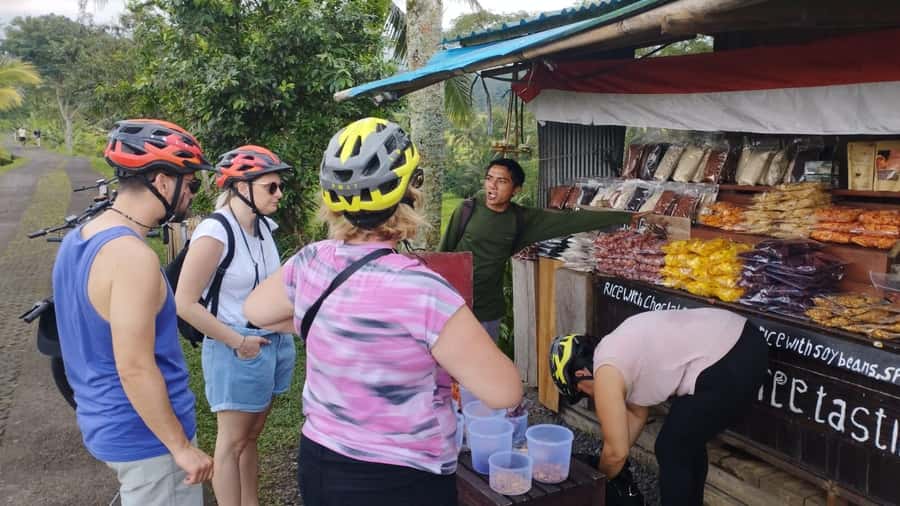
Your meeting point is near the Batukaru Temple area, close to the pool before the temple entrance. You do not visit the temple during this activity. The operator brings the electric bikes to this spot, which keeps the start simple, though you should allow extra time if you use the optional hotel pickup.
The road from Batukaru toward Jatiluwih gives you a taste of rural Bali before the broad terraces appear. You pass thick jungle, tall bamboo, village homes, and working farmland. This opening section is useful because it shows the setting as a lived-in place, not just a scenic attraction.
I would not expect every minute of this road to feel like a postcard. Some of the best views come later, once you reach the main Jatiluwih area. Still, the change from forest shade to open fields is part of the appeal, and the road helps you understand how the villages connect with the rice-growing valley.
Your guide leads the group and explains the area in English. The most useful commentary concerns the Subak irrigation system, the traditional cooperative method that directs water through Bali’s rice fields. That background gives the terraces more meaning. You are not simply looking at green steps in the hills. You are seeing farmland shaped by water, shared work, and generations of cultivation.
A few more Bali experiences worth comparing
- From Ubud: Downhill Bike Tour with Rice Terraces and Meal
★ 4.9 · 664 reviews - Mount Batur: Black Lava Cycling Tour w/ Natural Hot Spring
★ 3.8 · 63 reviews - Bali Downhill Cultural Cycling Tour
★ 4.8 · 42 reviews
Why the e-bike makes Jatiluwih easier
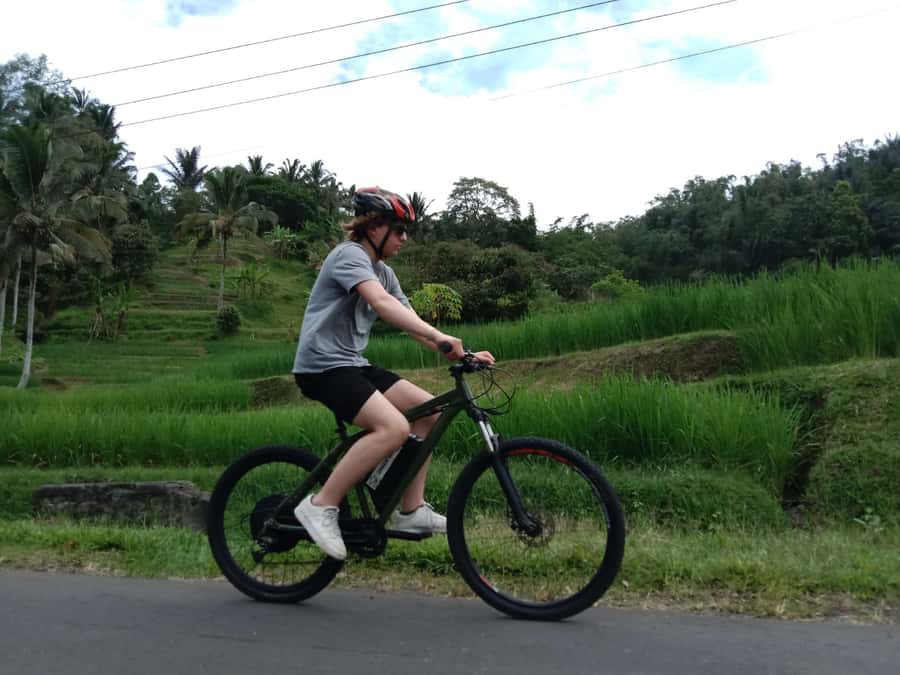
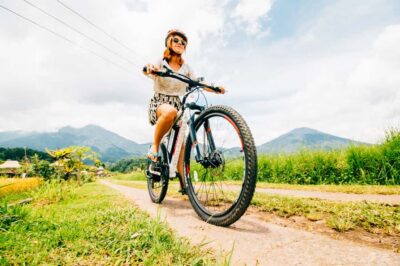
The e-bike is the practical reason to choose this tour instead of a standard cycling trip. Jatiluwih is not flat, and the route includes hills and rolling roads. With electric assistance, you can keep moving without arriving at every viewpoint breathless.
You still need to ride a bicycle confidently. The e-bike does not remove the need to steer, brake, balance, and respond to the road. This activity is not suitable for anyone who cannot ride a bike, and the operator sets a minimum height of 4 feet 8 inches, or 145 centimeters. The maximum stated weight is 260 pounds, or 118 kilograms.
Before departure, check the bike controls and ask how the assistance works. Make sure the saddle feels right and that the brakes respond properly. Helmets are listed as included, but some recent participants said they did not receive one. I would confirm your helmet before leaving the meeting point, not after the group is already on the road.
There have also been reports of several mechanical problems in one outing, along with falls into the rice fields. That does not mean every departure has the same trouble, but it is enough reason to inspect your bike and listen carefully to the guide’s safety instructions. Wear shoes with a firm sole, not loose sandals, and keep your hands ready for braking on wet or uneven sections.
Bamboo forest, jungle, and village life
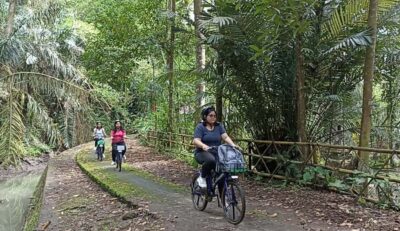
The route’s early scenery has a quieter, more intimate feel than the main terraces. Dense tropical growth closes in around parts of the road, while giant bamboo forms tall green walls. This is a good stretch for your camera, but remember that the group still needs to keep moving safely.
The villages offer a glimpse of everyday Bali. You might see homes, farm paths, and people working around the fields, although the supplied details do not promise specific village stops or conversations. The value is in passing through a real rural area rather than being confined to a single viewpoint.
I like this part because it adds texture to the famous Jatiluwih view. The terraces are the headline, but the jungle and villages explain how the area feels before you reach the wide valley. Keep your expectations practical: this is a guided ride, not a free-form village walk, and the exact number of stops can change.
Reaching the heart of UNESCO-listed Jatiluwih
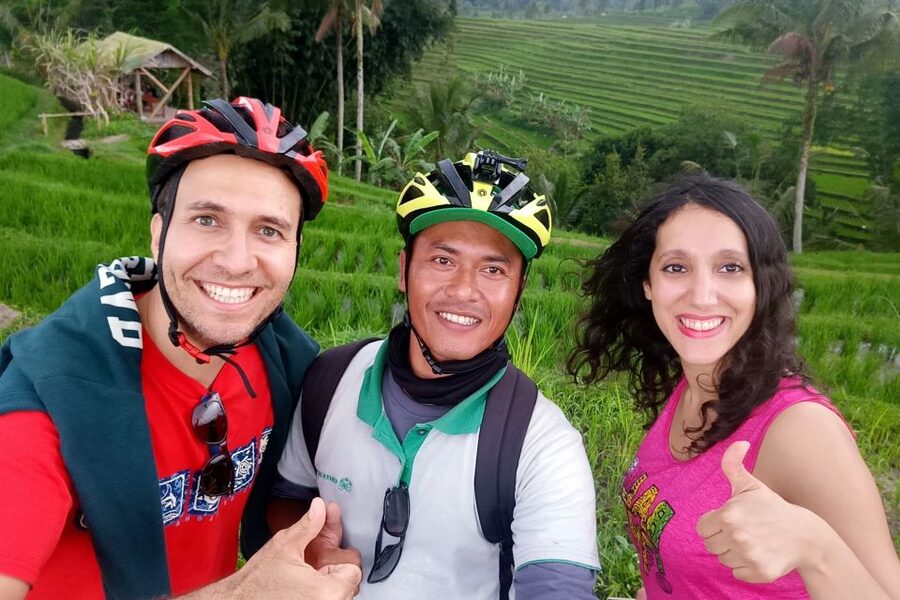
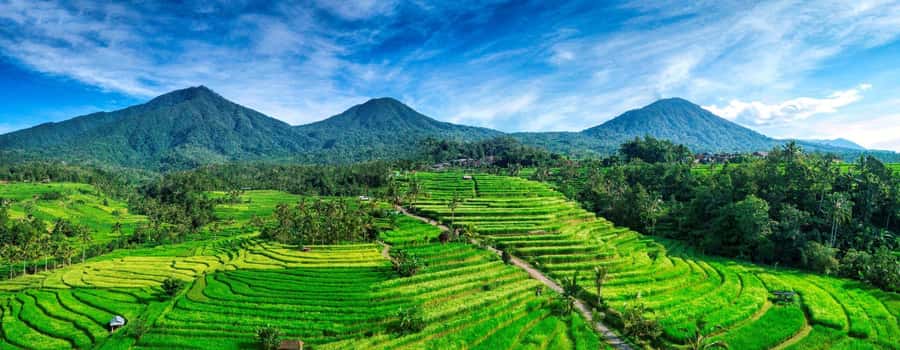
Jatiluwih covers more than 300 hectares of tropical vegetation and rice terraces. From the central area, the view opens across a broad valley framed by four extinct volcanoes. The scale is what makes this stop special. Instead of one small rice-field photo point, you get an extensive farming region with terraces stretching across the slopes.
The vivid green color depends on the season and conditions, so do not expect the fields to look identical every month. Even so, the combination of water channels, planted fields, palms, forest, and mountain views gives this part of Bali a strong sense of place.
The central ride is the portion most people are paying for. Ideally, you will have enough time to cycle slowly, stop for photographs, and hear the guide explain the terraces. One particularly important point to clarify at the start is how much actual riding is planned. Some participants have reported spending only about 20 minutes on the bike and as much as an hour and 40 minutes stopped. Others describe a satisfying ride through the terraces, so the experience appears uneven.
That difference matters. A two-hour tour sounds like two hours of activity, but it may include explanations, waiting, photo stops, equipment issues, and movement between sections. If cycling is your main goal, ask the guide at the start how the time will be divided.
A different pace of day, same stretch of Bali coast:
- Bali: Mount Batur Sunrise Guided Hike and Natural Hot Spring
★ 4.8 · 9,284 reviews - Bali: Full-Day Instagram Highlights Tour
★ 4.8 · 7,817 reviews - Bali: Sunrise Mount Batur Hike with Breakfast
★ 4.8 · 6,973 reviews - Bali/Nusa Penida: East & West Highlights Full-Day Tour
★ 4.7 · 6,263 reviews
Lunch after the ride
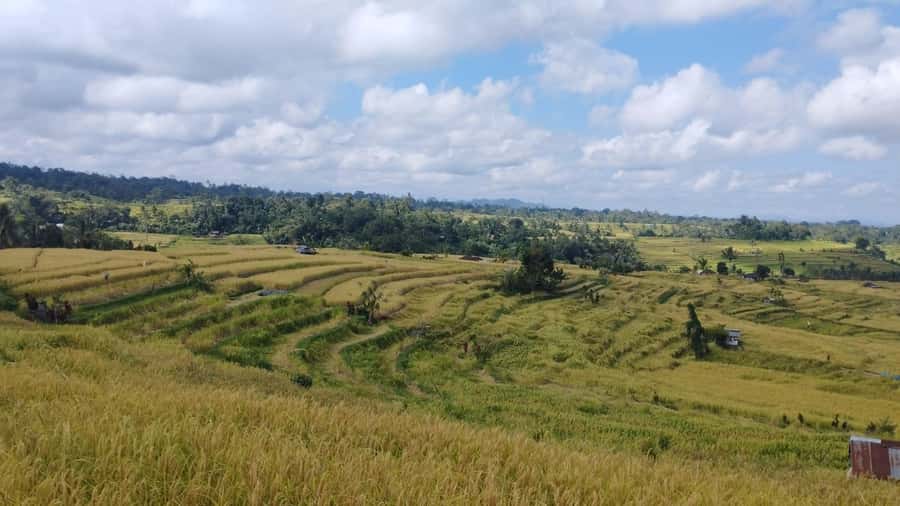
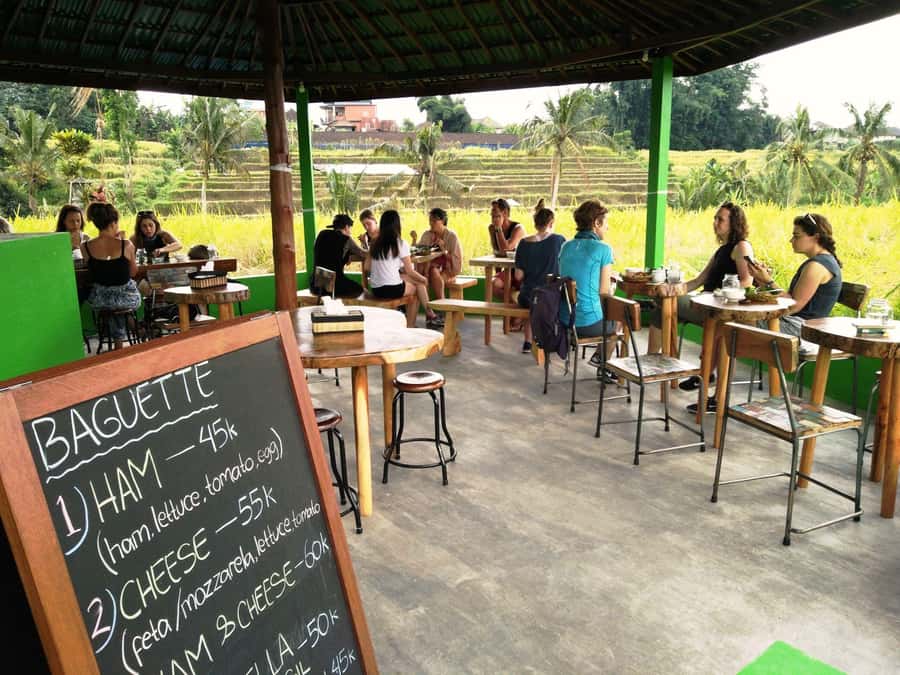
After cycling, you eat at a nearby restaurant. The meal includes Indonesian food, free-flow water, coffee, and tea. A cold towel is provided at the end of the e-bike tour, which will be welcome if the air is warm or you have spent time in the sun.
The lunch is a useful part of the package. You do not need to find a restaurant after a ride, and you get a chance to sit down in natural surroundings. Indonesian dishes such as nasi are part of the expected meal style, though the exact menu is not specified.
Food quality has not been perfectly consistent. Some participants found the lunch tasty, while another described it as dry and disappointing. I would treat lunch as a convenient included meal, not the main reason to pay for the tour. The terraces and guided ride carry most of the value.
If you have dietary restrictions, the available information does not confirm special menus, so ask before booking. Water, coffee, and tea are included, but bring extra drinking water if you know you need more than the supplied amount.
The timing question: two hours on paper
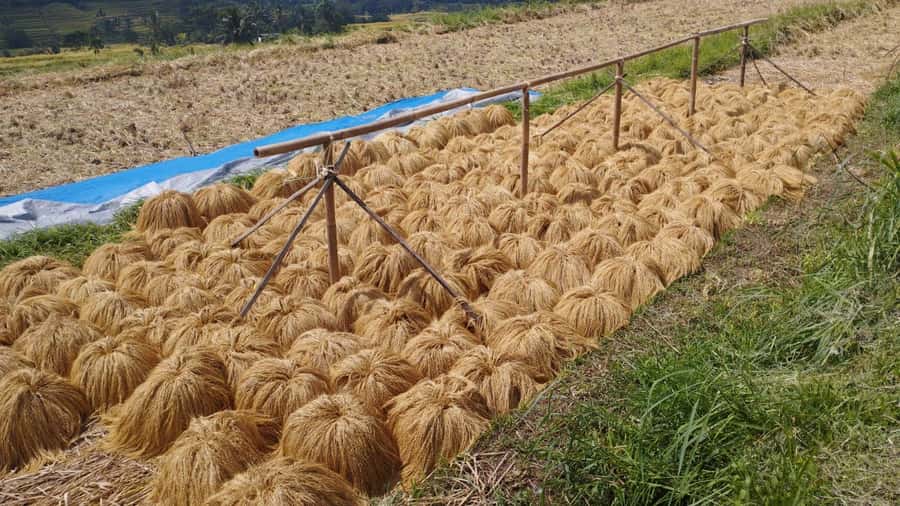
The stated duration is two hours. That is short enough to fit into a wider day in central Bali, but it also leaves little room for delays. Optional pickup is available from your hotel or villa lobby, yet the drive from Ubud can take longer than expected. Give the driver extra time, especially if your pickup is early in the day or your accommodation is outside central Ubud.
Once you arrive, the actual schedule can vary. A smooth departure with working equipment may give you a good ride and several scenic stops. A larger range of cycling abilities, mechanical trouble, or repeated falls can reduce the time spent moving.
The group is limited to 12 people. That is small by tour standards, but it is not a private ride. You may wait for slower riders, and your pace will be shaped by the least confident person in the group. For many people, that is a fair trade for having a guide and support. Strong cyclists looking for a fast, continuous ride may find the format slow.
Rain can also affect the outing. Raincoats are supplied when needed, but wet roads can make the ride less comfortable and less secure. Sport shoes, comfortable clothing, sunglasses, sunblock, a hat or cap, and a camera are the sensible basics.
What the $69 price really covers
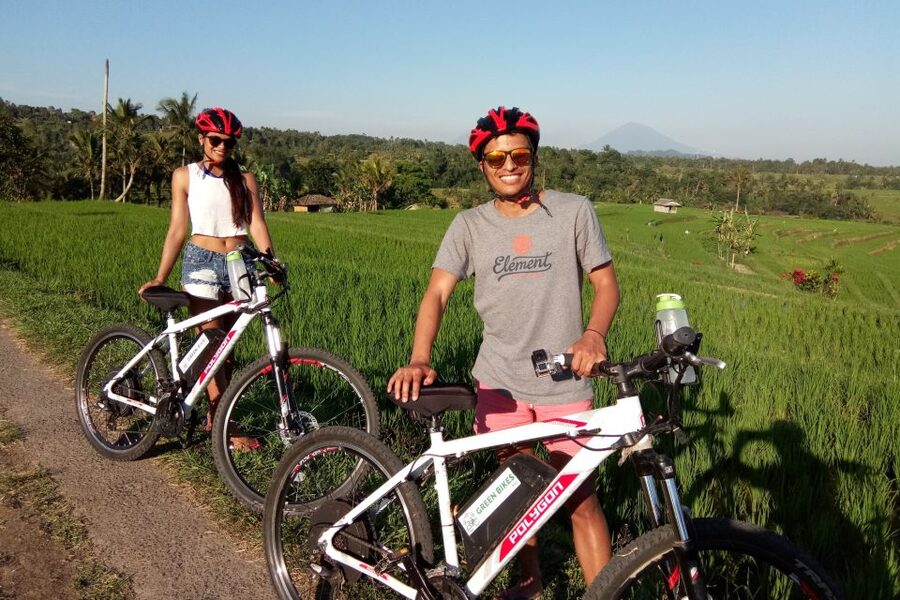
At $69 per person, this tour sits in the middle range for a short Bali activity. The price includes the e-bike, helmet, Jatiluwih admission, English-speaking cycling guide, insurance, water, a cold towel, and lunch with drinks. Hotel transfers are included only if you choose the pickup option.
That package can be good value if you want a simple half-day-style outing with transport, equipment, entrance, guidance, and food handled together. You are paying for convenience as much as for the ride. A self-arranged visit would require transport to the Batukaru area, an entry fee, and your own plan for seeing the terraces.
The value drops if the cycling time is very short or if the equipment causes delays. Since some recent departures involved bike faults and safety concerns, I would not book this solely because it is an e-bike tour. The operator’s handling of equipment on your day will make a major difference.
The strongest reason to pay is the setting. Jatiluwih is a large, protected rice-growing area, and the e-bike lets you cover more ground than walking while keeping the effort manageable. If you want a polished, timed cycling session with guaranteed continuous riding, this may not be the right fit.
Who will enjoy this ride most
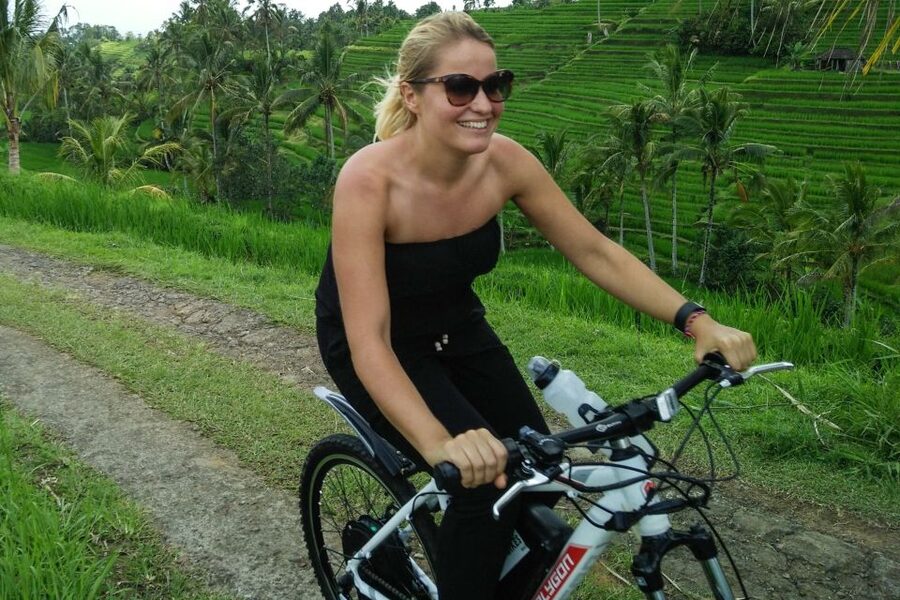
I would recommend the tour to a confident casual cyclist who wants scenery, local context, and a gentle physical activity. The electric assistance helps on hills, while the two-hour format avoids committing an entire day to cycling.
It also suits first-time visitors who want to combine several Bali scenes in one outing: jungle, bamboo, villages, rice terraces, mountain views, and an Indonesian meal. The guide’s explanation of Subak farming adds something you would miss by simply taking photos from a roadside viewpoint.
Families and mixed-ability groups should check the height requirement and think about road confidence. Anyone who is nervous on a bicycle, has difficulty braking, or dislikes uneven roads should choose a different way to see Jatiluwih.
I would be more cautious if you are an experienced cyclist expecting distance or speed. The tour is designed around sightseeing and a guide-led group, not a training ride. Ask directly about the planned route and riding time before setting off.
Practical ways to improve your day
Arrive ready to ride, even if you use hotel pickup. Wear sport shoes and clothing that can get wet or muddy. Rice-field edges are not forgiving if you lose balance, and a fall can affect the rest of your outing.
Bring sunblock, a hat, sunglasses, and your camera. The open terraces offer little shelter from the sun, while the jungle sections can feel cooler and darker. Keep your belongings secure on the bike and avoid carrying anything you cannot manage while steering.
At the meeting point, check three things: your helmet, your brakes, and the e-bike assistance. Ask what happens if the bike develops a fault. These are reasonable questions, especially because equipment problems have affected some departures.
Finally, ask how many stops are planned and how much time you will spend riding. That one conversation can prevent a mismatch between your expectations and the actual schedule.
Should you book the Jatiluwih e-bike tour?
Book it if you want an easy way to see Bali’s biggest rice-terrace area without tackling the hills under your own power. The views, bamboo forest, village roads, Subak commentary, and included lunch make a strong package at $69, especially with optional hotel pickup.
I would skip it if you cannot ride confidently, need a guaranteed helmet and flawless equipment, or want two uninterrupted hours in the saddle. The tour has earned strong praise for its scenery, easy bikes, guide explanations, and lunch, but recent outings have also raised real concerns about safety, bike condition, and limited riding time.
If you book, confirm the helmet and expected cycling time at the start. With those points clear, this can be a memorable, low-stress way to reach Jatiluwih and see the valley from more than one viewpoint.
FAQ
Where does the Jatiluwih e-bike tour meet?
The meeting point is near the Batukaru Temple area, close to the pool before entering the temple. The temple itself is not visited during the tour.
Is hotel pickup available?
Yes. Pickup is optional, and the driver can collect you from the lobby of your hotel or villa if you select that option.
How long is the activity?
The stated duration is two hours. The time may include riding, stops, explanations, and other delays, so the amount of time spent cycling can vary.
Is lunch included?
Yes. Lunch at a nearby restaurant is included, along with free-flow water, coffee, and tea.
What language does the guide speak?
The live tour guide speaks English.
What should I bring?
Bring sport shoes, comfortable clothing, sunglasses, sunblock, a hat or cap, and a camera. Raincoats are provided when needed.
Who cannot join the tour?
The activity is not suitable for anyone who cannot ride a bike, anyone over 260 pounds or 118 kilograms, or anyone under 4 feet 8 inches or 145 centimeters.
More 2-Hour Experiences in Bali
- Canggu : 2-Hour Surfing Lesson
★ 4.9 · 180 reviews - Bali: Luxury Spa Balinese Massage scrub Flower bath 2 Hour
★ 4.9 · 77 reviews - Bali ATV Ride On the Beach, Rice Field and Village Tour 2 Hour
★ 5.0 · 15 reviews - Ubud ATV Ride with Waterfall, Dragon Cave & Lunch – 2 Hours
★ 5.0 · 5 reviews
Recently added around Bali
- Bali: Private Lempuyang Temple, Water Temple & Rice Terraces★ 5.0 · 3 reviews
- Bali: Mountain Bike Tour and River Rafting with Lunch★ 5.0 · 3 reviews
- Bali: Sidemen Waterfall tour and temple purification★ 5.0 · 3 reviews
- Bali: Padangbai Blue Lagoon Scuba Diving Private Tour★ 5.0 · 3 reviews
- Bali’s Mystical Jungle Trek & Hidden Waterfall Adventure★ 4.3 · 3 reviews
- From Bali: Mount Bromo & Ijen volcanic private tour★ 5.0 · 3 reviews
- Bali: 7 Day Solo Traveler’s Yoga Retreat In Ubud★ 5.0 · 3 reviews
- Bali: Photo Shoot with a Private Vacation Photographer★ 5.0 · 3 reviews
E-Bikes, compared.
Sanur Village E-bike Tour: Family-Friendly Adventure
Read our review →
Jatiluwih Rice Terraces 1 Hour Electric Bike Tour
Read our review →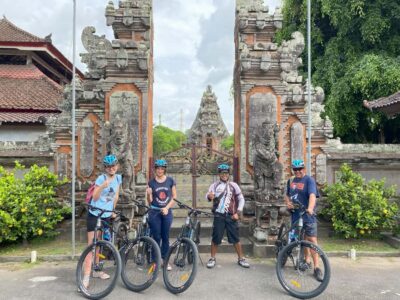
PRIVATE E-bike Tour inside Rice Field with meal & pool
Read our review →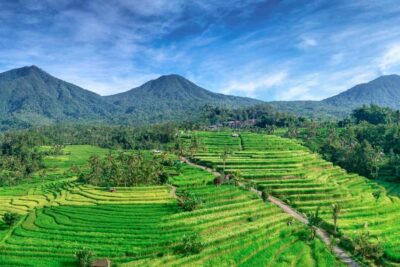
Browse the lists this tour appears in