
Reviewed · TEMPLE TOURS
Purification Ceremony in sacred Jungle Temple Bali
The heart of this experience is a personal Balinese purification and blessing ceremony beside a secluded river temple near Mount Batukaru. Before and after the ritual, you walk through a spice garden, hear bamboo Rindik music, eat homemade village food, and meet local farmers. I especially like the small group size, capped at six, and the way the day connects religion with daily village life. The main consideration is that this is a spiritual activity, not a quick photo stop, so you should arrive with respect and enough patience for a slower pace.
I also like the setting, far from Bali’s busiest visitor centers, and the chance to finish at Belulang Hot Springs, where locals bathe in sulfur water. The limits matter: the ceremony is not permitted during menstruation or pregnancy, and the day requires good weather. There is also no named guide listed, so your key cultural host will be the local Mangku, or Balinese priest.
In This Review
- Key points at a glance
- A quiet morning at the foot of Mount Batukaru
- Spices, herbs, and the sound of Rindik
- Preparing for the Mangku-led blessing
- A homemade lunch at Warung Balikaru
- Meeting farmers and the animals at Balikaru farm
- Ending at Belulang Hot Springs
- What the $89 price really covers
- Who will appreciate this experience most
- Booking advice and final verdict
- FAQ
- Where does the purification experience begin?
- What time does the experience start?
- Where does the experience end?
- How long does the experience last?
- How many people can join?
- Is lunch included?
- Can vegetarian dietary needs be accommodated?
- Is temple clothing included?
- Can pregnant women take part in the purification ceremony?
- Can I cancel for a full refund?
Key points at a glance
- A Mangku leads the ceremony: You receive an explanation of the ritual before taking part in a genuine blessing and purification.
- The group is limited to six: This allows more personal attention and makes the village setting feel less like a large organized excursion.
- The day links faith and farm life: You walk among spices, meet farmers, visit Balikaru farm, and see stingless Trigona bees.
- Temple clothes and offerings are provided: You do not need to arrange the basic ceremony items yourself.
- Lunch is homemade nasi campur tumpeng: The meal is served at the village Warung Balikaru, with vegetarian needs accommodated if noted during booking.
- Belulang Hot Springs closes the day: Natural sulfur water gives you a calm finish after the ceremony and village visits.
A quiet morning at the foot of Mount Batukaru
The meeting point is Warung Balikaru in Belulang Village, Mengesta, in Tabanan Regency. The start time is 9:00 am, and the activity returns to this same meeting point. Since the meeting details do not include hotel pickup, check your own route carefully before booking and allow enough time to reach the village.
This part of Bali offers a different rhythm from the southern resort areas. The program is built around walking, conversation, food, music, and ritual rather than a string of major sights. That matters because the cultural value comes from seeing how spiritual practice fits into ordinary village life.
The group limit of six is one of the strongest practical features. A small party means the guide can explain the ceremony without shouting over a crowd, and you have a better chance to ask questions. It also reduces pressure during the temple visit, where quiet attention is more appropriate than constant picture-taking.
The experience lasts about three and a half hours according to the tour details, although the activities described include a full morning and afternoon sequence. Confirm the exact timing when you book, especially if the hot springs and farm visits are important to your plans. The program is booked on average eight days ahead, so last-minute availability may be limited.
More temple visits around Bali:
- Bali Sunset: Uluwatu Temple, Kecak Dance and Jimbaran Bay
★ 4.7 · 2,397 reviews - Bali: Besakih Temple & Lempuyang Temple Gates of Heaven Tour
★ 4.8 · 2,323 reviews - North Bali: Sunrise Tour with Dolphins, Waterfalls & Temples
★ 4.6 · 831 reviews
Spices, herbs, and the sound of Rindik
Your first cultural introduction comes through a guided walk in a spice and herb garden. Tropical plants, spices, and herbs are part of the practical knowledge of village life, and this stop gives you a useful frame for the rest of the day. You are not simply looking at plants. You are seeing the connection between food, farming, home remedies, and the local environment.
The welcome drink starts the morning, followed by a chance to learn the traditional Balinese bamboo instrument called Rindik. You should not expect a formal concert or a long music lesson. The point is to slow down and become attentive to local sounds before entering the temple setting.
I like this sequence because it avoids rushing straight into the most solemn part of the day. You first encounter the village through plants and music, then move toward the ceremony. If you prefer a packed schedule of major attractions, the pace might feel gentle. If you want time to notice small details, it is a good fit.
An English-speaking guide accompanies the experience, and the ceremony is explained as you go. Other language options may be available, but you should check those when selecting the tour. The supplied information does not name individual guides, so do not book expecting a particular person.
Preparing for the Mangku-led blessing
Before entering the temple, the team helps you put on Balinese temple clothes. Offerings and clothing rental are included, which makes the process easier for visitors who do not already own appropriate attire. You should still approach the clothing and temple rules with care. Follow the guide’s instructions, and treat the ceremony as a religious observance rather than a costume change.
The Mangku, or local temple priest, leads the purification and blessing. The setting is described as a sacred temple beside a secluded river, surrounded by quiet natural surroundings. The sound of sacred bells forms part of the ceremony, along with the offerings and the priest’s guidance.
The guide explains the meaning behind each stage. That explanation is important. Without it, a visitor could mistake the ritual for a scenic performance. Here, the intended focus is personal renewal, reflection, and respect for Balinese religious practice.
You do not need to share the faith to take the ceremony seriously. Come prepared to listen, follow instructions, and keep your attention on the ritual. The experience is designed to refresh body and mind, but its meaning will depend partly on how openly and respectfully you take part.
Photography should be handled with restraint. A personal photo from the purification is sent by email, which gives you a keepsake without requiring you to manage a camera throughout the ceremony. The provided details do not spell out every photography rule, so ask before taking pictures inside the sacred area.
A homemade lunch at Warung Balikaru
After the ceremony, you eat a homemade Balinese lunch at the authentic village Warung Balikaru. The included dish is nasi campur tumpeng, a style of meal built around rice and a selection of accompanying foods.
This is one of the more useful parts of the program because food turns cultural explanation into something you can experience directly. A village meal also gives the day a natural pause after the concentration of the ceremony. You can talk with the guide, ask follow-up questions, and process what you have seen.
Vegetarian dietary needs can be accommodated if you include them in the special requirements when booking. The information does not list every possible dietary option, so be specific about your needs in advance. Drinks beyond the welcome drink are not included, and personal expenses are separate.
The lunch is not presented as a luxury restaurant meal. That is part of its appeal. You are paying for a locally rooted experience that combines food with access to a village program, a priest-led ceremony, clothing, offerings, a farm visit, and a hot spring stop. For many people, that package gives the $89 price solid value.
A different pace of day, same stretch of Bali coast:
- Bali: Mount Batur Sunrise Guided Hike and Natural Hot Spring
★ 4.8 · 9,284 reviews - Bali: Full-Day Instagram Highlights Tour
★ 4.8 · 7,817 reviews - Bali: Sunrise Mount Batur Hike with Breakfast
★ 4.8 · 6,973 reviews - Bali/Nusa Penida: East & West Highlights Full-Day Tour
★ 4.7 · 6,263 reviews
Meeting farmers and the animals at Balikaru farm
The afternoon moves into the rice fields, where you join a farmer and see how cultivation fits into the local community. The description does not promise a particular farming task, so think of this as a guided encounter and conversation rather than a guaranteed hands-on workshop.
You also visit Balikaru farm, where you meet animals and learn about stingless Trigona bees. This is a distinctive detail and one of the day’s more unusual stops. Stingless bees connect farming, pollination, and small-scale local food production, giving you another example of how nature and village life overlap.
The chance to chat with villagers is just as important as the farm itself. The day is designed to keep its effect on local people and their way of life small while allowing direct engagement. That balance is worth noticing. You are not being carried from one staged attraction to another. You are entering an existing village setting, so courtesy and flexibility matter.
Expect walking through rice fields and uneven outdoor surfaces. The information says most people can participate, but it does not specify a distance, grade, or accessibility details. If you have mobility concerns, contact the operator before booking and ask for practical information.
Ending at Belulang Hot Springs
Belulang Hot Springs is the final stop and the only stop specifically labeled in the supplied timing details. Locals bathe there in natural sulfur water, making it a place with both a physical and community connection.
After a morning ceremony and an afternoon among fields and farm animals, a hot spring is a sensible finish. The sulfur water offers a chance to relax before returning to the meeting point. Bring the attitude of a public bathing place, not a private spa. The description does not promise changing rooms, towels, lockers, or spa services, so check what you need to bring before setting out.
Good weather is required for the activity. If poor weather causes cancellation, you can choose another date or receive a full refund. The experience allows free cancellation up to 24 hours before the local start time. Changes or cancellations made inside that window are not accepted for a refund.
What the $89 price really covers
At $89 per person, the experience costs more than a simple village walk or temple visit. The price includes an English-speaking guide, welcome drink, Rindik instruction, temple clothing rental, offerings, the Mangku-led ceremony, homemade lunch, the spice and herb garden, Balikaru farm, the animals and Trigona bees, a farewell gift, and a personal ceremony photo sent by email.
That is a substantial bundle for a small group. The value is strongest if you want a cultural day with several connected parts rather than one isolated activity. You are paying for access, guidance, local participation, food, and the setting as much as for the individual stops.
The price is less compelling if your only goal is a hot spring visit or a quick temple photograph. Tips, drinks, and personal expenses are not included. The meeting point is also in a mountain village, so you need to account for your own transport arrangements when judging the total cost.
Group discounts are available, which may help if you are traveling with family or friends. Since the maximum is six people, a small private-feeling group may be possible without paying for a fully private tour, depending on availability.
Who will appreciate this experience most
I would choose this day if you want to understand Bali through religion, food, farming, and community rather than through headline sights alone. It suits visitors who enjoy asking questions, walking outdoors, and giving a ceremony the attention it deserves.
It is also a good match for couples, families, and small groups looking for something personal. The small capacity keeps the setting calm, and the mix of activities gives the day variety without losing its central theme.
You may want a different outing if you dislike ritual participation, public bathing, village meals, or flexible outdoor conditions. The program is not built around shopping, nightlife, or dramatic sightseeing. Its reward is a slower look at local life.
The ceremony cannot be taken by pregnant women or during a woman’s menstruation period. This is a firm participation restriction, not a minor note, so consider it before booking. Service animals are allowed, and most people can participate, though anyone with specific physical needs should ask the provider for more detail.
Booking advice and final verdict
I would book this experience for its unusual combination of a Mangku-led purification, a secluded river temple, homemade food, village farming, stingless bees, and sulfur hot springs. The strongest praise attached to the experience centers on its educational quality, friendly village welcome, delicious food, and personal feel. Those are exactly the qualities the program is built to deliver.
The key is to arrive with the right expectations. This is not a performance staged for quick entertainment. It asks you to listen, dress appropriately, respect religious space, and accept a slower pace. If that sounds appealing, the $89 fee is reasonable for a small-group cultural day with many inclusions.
Book it if you want a thoughtful introduction to Balinese spirituality and rural life near Mount Batukaru. Skip it if you want a tightly timed sightseeing route, extensive independent temple exploration, or a resort-style spa day.
FAQ
Where does the purification experience begin?
It begins at Warung Balikaru in Belulang Village, Mengesta, Tabanan Regency, Bali.
What time does the experience start?
The scheduled start time is 9:00 am.
Where does the experience end?
It ends back at the same meeting point, Warung Balikaru.
How long does the experience last?
The stated duration is approximately 3 hours and 30 minutes.
How many people can join?
The activity has a maximum group size of six people.
Is lunch included?
Yes. Homemade nasi campur tumpeng at Warung Balikaru is included.
Can vegetarian dietary needs be accommodated?
Yes. Vegetarian needs can be accommodated if you provide the information in the special requirements when booking.
Is temple clothing included?
Yes. Temple clothes are provided as a rental, and offerings are included as part of the ceremony.
Can pregnant women take part in the purification ceremony?
No. The purification and blessing are not permitted for pregnant women.
Can I cancel for a full refund?
Yes. You can cancel at least 24 hours before the local start time for a full refund. If poor weather causes the activity to be canceled, you are offered another date or a full refund.
Recently added around Bali
- Bali: Private Lempuyang Temple, Water Temple & Rice Terraces★ 5.0 · 3 reviews
- Bali: Mountain Bike Tour and River Rafting with Lunch★ 5.0 · 3 reviews
- Bali: Sidemen Waterfall tour and temple purification★ 5.0 · 3 reviews
- Bali: Padangbai Blue Lagoon Scuba Diving Private Tour★ 5.0 · 3 reviews
- Bali’s Mystical Jungle Trek & Hidden Waterfall Adventure★ 4.3 · 3 reviews
- From Bali: Mount Bromo & Ijen volcanic private tour★ 5.0 · 3 reviews
- Bali: 7 Day Solo Traveler’s Yoga Retreat In Ubud★ 5.0 · 3 reviews
- Bali: Photo Shoot with a Private Vacation Photographer★ 5.0 · 3 reviews
Temple Tours, compared.
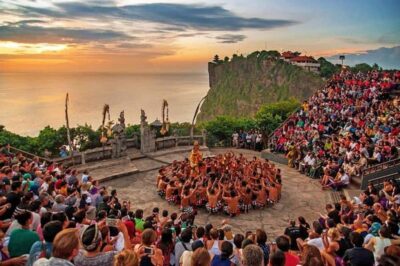
Kecak Fire Dance Show & Uluwatu Temple Entry Ticket
Read our review →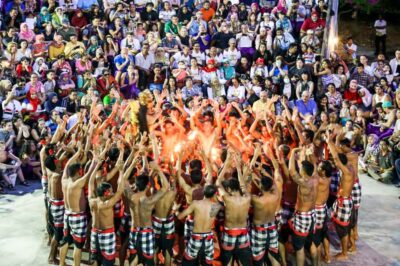
Bali Sunset: Uluwatu Temple, Kecak Dance and Jimbaran Bay
Read our review →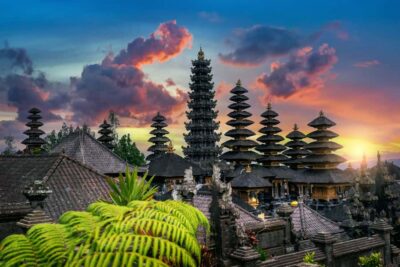
Besakih Temple & Lempuyang Temple Gates of Heaven Tour
Read our review →
North Bali: Sunrise Tour with Dolphins, Waterfalls & Temples
Read our review →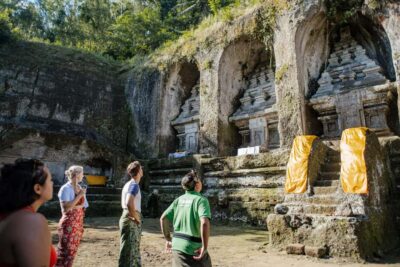
Hidden Canyon, Waterfall & Temples Small Group Tour
Read our review →
Munduk Waterfalls Trek, Twin Lakes and Temple Tour
Read our review →
Monkey Forest, Water Temple, Rice Terrace, Waterfall
Read our review →
Twin Lake Jungle Hike, Ulun Danu Temple, & Waterfall
Read our review →Browse the lists this tour appears in