Reviewed · GUIDED
Well-Guided Local Textile Tour of Denpasar
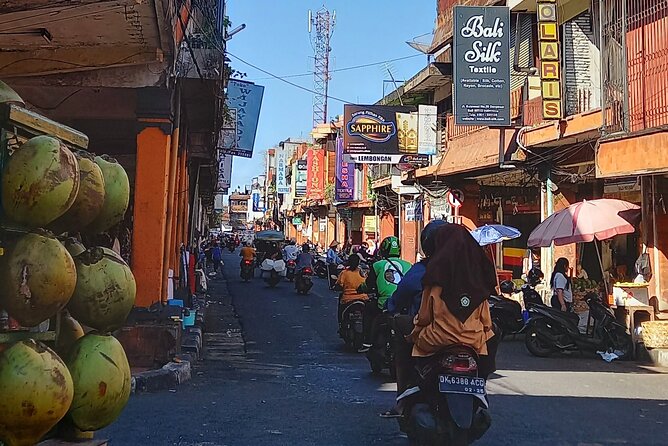
Denpasar’s textile trade is not tucked inside a polished boutique. It spills through old streets, market stalls, and fabric shops where local shoppers buy cloth for daily wear, ceremonies, dressmaking, and home projects. This two-hour walking tour takes you into that working side of the city, from Jalan Gajah Mada to Kumbasari Market and Jalan Sulawesi.
I like two things right away: you see several kinds of Indonesian cloth in one outing, and Ayu can adjust the stops to match your interests. The chance to meet Pak Rayyis and hear about his personal textile collections adds a human touch. The main drawback is that this is a market walk, not a quiet museum visit, so crowds, shop displays, and walking conditions may not suit everyone.
In This Review
- Key points at a glance
- Why Denpasar is the right place for a textile walk
- Starting on Jalan Gajah Mada with local context
- Kumbasari Market and the traditional cloth selection
- Jalan Sulawesi, Denpasar’s fabric-shopping street
- How Ayu and Ngurah shape the experience
- What $25 gets you in practical terms
- Walking, timing, and what to bring
- Who will get the most from this walk
- A smart way to approach the shopping
- Should you book this Denpasar textile tour?
- FAQ
- How long does the Denpasar textile tour last?
- What time does the tour start?
- Where does the tour begin?
- Where does the tour end?
- Which textile areas are included?
- What kinds of textiles can I see?
- How many people can join the tour?
- Can I cancel for a full refund?
Key points at a glance
- Meet Pak Rayyis on Jalan Gajah Mada: Hear about his textile collections before entering the main market areas.
- Compare traditional cloth types: See Javanese hand-painted batik, modern batik, ikat, endek weaving, and other Indonesian fabrics.
- Shop where locals buy fabric: Kumbasari Market and Jalan Sulawesi offer a different experience from Seminyak’s tourist boutiques.
- Get practical buying help: Ayu can share tips for finding reasonable local prices and adjusting the route to your interests.
- Keep the afternoon manageable: The walk lasts about two hours, starts at 2:00 pm, and ends back at the meeting point.
- Expect a small group: The maximum is 10 people, which gives you more room to ask questions and browse.
Why Denpasar is the right place for a textile walk
Bali is often presented through temples, rice fields, beaches, and resorts. Textiles explain another part of daily life. Indonesian cloth can signal ceremony, regional identity, craft skill, personal taste, and practical need. Even if you are not a fabric collector, seeing the material in its ordinary buying environment helps you understand how it fits into local life.
The tour focuses on central Denpasar rather than the boutique-lined parts of Seminyak. That difference matters. A tourist shop may show a small selection chosen for visitors, while the markets and fabric streets carry a broader mix of cloth for clothing, ceremonies, quilting, interiors, and everyday use.
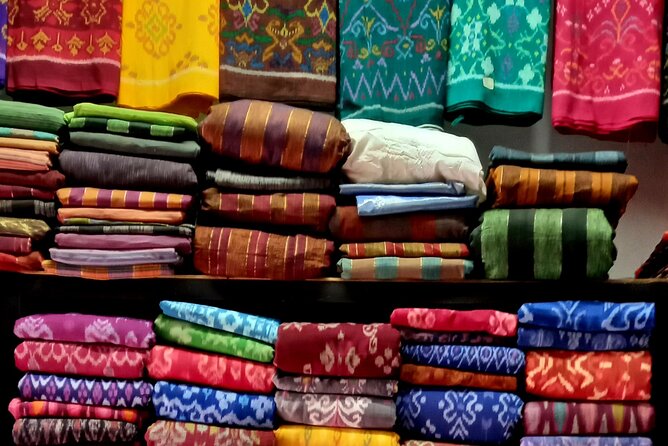
I especially like the chance to compare fabrics rather than see only one traditional style. You may encounter Javanese hand-painted batik beside modern batik, ikat, endek weaving, silk, rayon, cotton, lace, linen, brocade, and quilting materials. The variety makes this useful for both serious textile shoppers and curious visitors who simply want to understand what they are seeing.
The experience is priced at $25 per person. For a roughly two-hour private-feeling introduction to several local shopping areas, that is a fair price, especially if you want guidance instead of wandering through unfamiliar stores alone. It becomes even better value if you plan to buy cloth, since smart advice about quality, types, and local pricing can prevent a poor purchase.
A few more Seminyak experiences worth comparing
- Bali Full-Day Traditional Village Sightseeing Trip All Inclusive
★ 5.0 · 3,069 reviews - Experts Bali Driver : Best Bali Private Driver for Tour in Bali
★ 5.0 · 1,339 reviews - Bali Hai Sunset Dinner Cruise
★ 5.0 · 1,173 reviews
Starting on Jalan Gajah Mada with local context
The meeting point is at Jl. Gajah Mada No. 1, Dauh Puri Kangin, in northern Denpasar. The walk begins at 2:00 pm and returns to the same meeting point. Since the activity is near public transportation, you have a practical way to reach the start without arranging a separate private transfer.
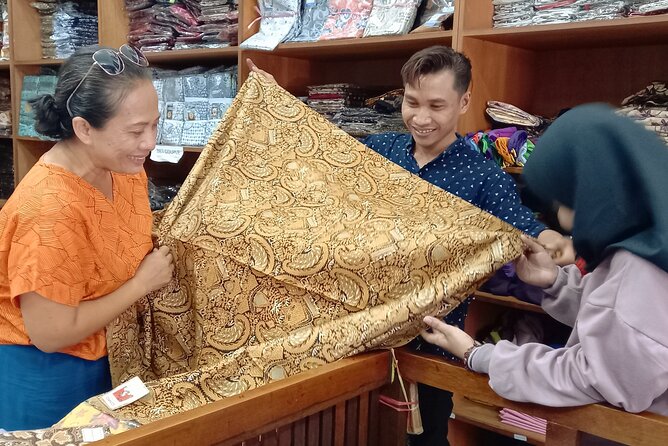
The first part gives you a useful introduction before the shopping begins. You meet Pak Rayyis and hear about his textile collections. This is more than a quick look at cloth on a shelf. A collector’s perspective can help you notice the difference between a piece made by hand, a printed design, a modern adaptation, and fabric intended mainly for everyday use.
I would pay close attention here and ask questions early. If you already know that you care about batik, weaving, ceremonial cloth, or sewing materials, tell Ayu at the start. She is able to modify the stops around individual interests, which is one of the tour’s strongest features.
The route is not built around a single famous object. Its value comes from the connections between people, shops, techniques, and materials. You get an introduction, then move into places where the cloth is bought and sold. That makes the experience feel more like a guided look at local commerce than a formal museum lesson.
Kumbasari Market and the traditional cloth selection
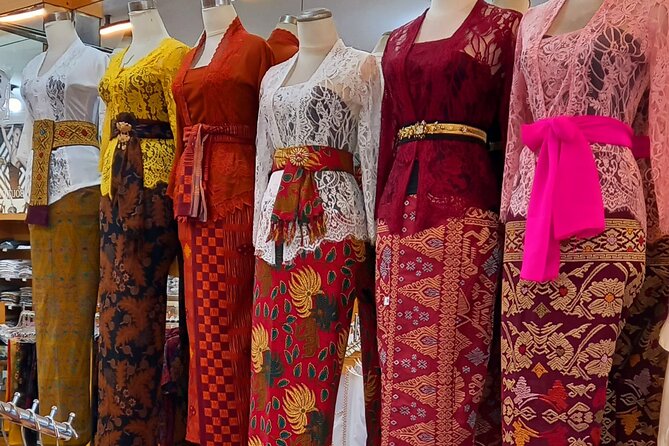
The next main stop is Kumbasari Market. Here, the focus is on shops specializing in traditional batik, ikat, and weaving. Two shops are included in this part of the walk, giving you a chance to compare selections instead of making a decision from one display.
Batik is one of the important categories to understand. The tour includes Javanese traditional hand-painted batik as well as modern batik. That distinction is worth asking about, since the words can cover very different production methods, looks, and prices. A guided explanation helps you look beyond color and pattern.
Ikat gives you another point of comparison. Its appearance comes from the way threads are prepared and woven, so it has a different visual character from batik. Endek weaving adds another Indonesian textile tradition to the mix. You do not need to be an expert to enjoy these differences, but seeing them side by side makes the styles easier to remember.
Kumbasari Market may appeal most to you if you want traditional material rather than generic holiday clothing. It also gives you a chance to slow down and ask about what a fabric is used for. If you are shopping, check several pieces before buying and use the guide’s advice about reasonable local prices.
There is a practical limitation. Markets can be visually crowded, and the amount of choice may feel like too much if you are hoping for a calm, carefully arranged retail setting. The tour is designed to show you a working market, so keep your expectations there. Its strength is access to selection and context, not polished presentation.
Jalan Sulawesi, Denpasar’s fabric-shopping street
The route then continues to Jalan Sulawesi, a well-known fabric area in Denpasar. This is the broadest part of the shopping experience. You can find printed, affordable batik for everyday use, along with modern materials such as linen, brocade, cotton, lace, quilting fabric, dressmaking cloth, interior material, silk, and rayon.
This stop changes the tone of the tour. Kumbasari focuses more on traditional batik, ikat, and weaving, while Jalan Sulawesi opens the door to practical fabric shopping. If you sew, design clothes, make quilts, work with interiors, or simply enjoy textiles, you may find this part especially useful.
The range also makes Jalan Sulawesi a good place for comparison. You can look at traditional patterns beside modern fabrics and see how Indonesian textile shopping serves both cultural and ordinary needs. Someone looking for a ceremonial textile and someone searching for affordable cotton may have very different goals, yet both can use this street.
I would avoid arriving with a fixed idea that the perfect fabric must be found immediately. The better approach is to describe your project or interest to Ayu and let her help you narrow the choices. She can offer shopping tips and point you toward reasonable local prices. Since the route can be adapted, your priorities matter.
Jalan Sulawesi is less useful if you want a finished souvenir with a simple price tag and no decisions. It is fabric heaven for a shopper who enjoys looking, comparing, and imagining what a material could become. If you do not sew or collect cloth, you may find the long list of fabrics less engaging than the traditional sections of the walk.
A different pace of day, same stretch of Bali coast:
- Bali: Mount Batur Sunrise Guided Hike and Natural Hot Spring
★ 4.8 · 9,284 reviews - Bali: Full-Day Instagram Highlights Tour
★ 4.8 · 7,817 reviews - Bali: Sunrise Mount Batur Hike with Breakfast
★ 4.8 · 6,973 reviews - ️Nusa Penida by Private Boat – Snorkeling 4 spots, Swim with Mantas + Land Tour
★ 5.0 · 6,424 reviews
How Ayu and Ngurah shape the experience
The experience is led by Ayu and Ngurah. Ayu’s role is particularly important for visitors who do not know the difference between batik, ikat, endek, and other fabrics. She speaks excellent English and is happy to modify the stops around your interests.
That flexibility changes the value of a small-group tour. A fixed route can be efficient, but it may spend too much time on a category you do not care about. Here, you can make the walk more useful by saying what you want to see: hand-painted batik, affordable fabric, weaving, dressmaking materials, or interior textiles.
The maximum group size is 10 people. That is not a private tour, but it is small enough for questions to be practical. In a market, group size matters because you may need room to examine cloth, listen to explanations, and keep track of your purchases.
The guide’s contribution is not just naming products. It is helping you read the setting. A textile shop can feel overwhelming when you do not know how to compare materials or judge the local price. With Ayu and Ngurah, you have a clearer way to decide what deserves your attention.
The strongest praise for the experience centers on this personal guidance, the individual adjustments, and the guide’s grasp of local textile techniques. Those are the parts I would value most. The tour works because it connects the fabric to people and place, rather than treating the cloth as decoration.
What $25 gets you in practical terms
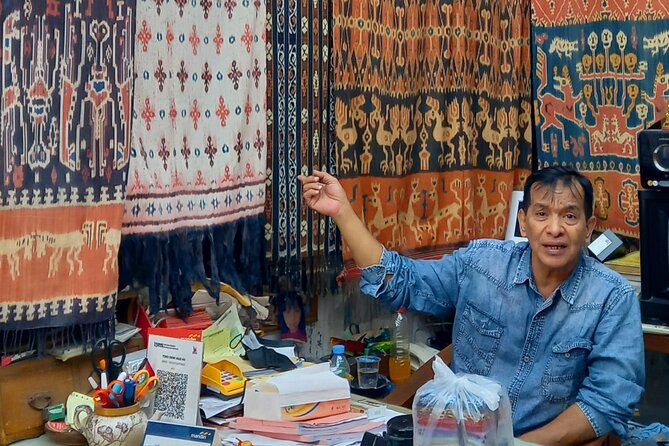
At $25 per person, you are paying for an organized introduction to three connected parts of Denpasar’s textile scene: the opening on Jalan Gajah Mada, traditional textile shops at Kumbasari Market, and the broad fabric selection on Jalan Sulawesi.
You are not paying for a luxury shopping service or a long cultural lecture. The experience lasts about two hours and is built around walking, conversation, browsing, and shopping advice. That is a sensible format if you want a focused afternoon activity rather than a full-day excursion.
The value is strongest in three situations:
- You are interested in Indonesian textiles but do not know where to begin.
- You want to shop outside the tourist areas and need help with local prices.
- You want access to a wider selection than a resort-area boutique is likely to offer.
The value is weaker if you have no interest in fabric and only want sightseeing. The route is centered on textile shops and markets, so do not book it expecting temples, food stops, or a general Denpasar city tour.
Shopping costs are separate from the $25 tour price. That is useful to remember when setting your budget. You might find an affordable printed batik, or you might be tempted by more elaborate cloth, silk, lace, or brocade. The guide’s pricing tips can help, but the final purchase choice remains yours.
Walking, timing, and what to bring
The tour starts at 2:00 pm and lasts approximately two hours. That makes it easy to fit into an afternoon, though you should allow extra time if you plan to shop carefully or continue browsing after the guided portion.
You walk between stops, so wear comfortable footwear. The information confirms that most people can participate, but it does not describe the route in detail or promise a fully step-free path. If mobility is a concern, ask the provider before booking.
A mobile ticket keeps the booking simple. Confirmation normally arrives at booking, unless you reserve within two hours of departure, in which case it is sent as soon as possible, subject to availability.
The tour requires good weather. If poor weather cancels the experience, you are offered another date or a full refund. It also requires a minimum number of participants. If that minimum is not met, you are offered another date or experience, or a full refund.
You can cancel without penalty up to 24 hours before the start time for a full refund. Changes or cancellations made less than 24 hours before the start are not accepted for a refund. The cut-off follows local time in Bali.
Who will get the most from this walk
Fabric lovers are the obvious match. You will have several categories to compare, from hand-painted batik and ikat to endek, cotton, linen, lace, silk, rayon, and quilting supplies.
The tour also fits:
- First-time visitors who want a local shopping experience beyond Seminyak’s tourist stores.
- Designers, dressmakers, quilters, and people working on home interiors.
- Visitors who want a short cultural activity with a clear focus.
- Shoppers who prefer advice before spending money.
- Small groups or couples who enjoy browsing with a guide.
It may not suit you if you dislike markets, need a seated activity, or want a broad overview of Denpasar rather than a textile-focused route. It is also not the best choice if you want a guaranteed purchase of one particular fabric, since available stock and shop selection can vary.
A smart way to approach the shopping
Tell the guide what you want before the walk gets underway. Saying that you are looking for hand-painted batik is more useful than simply saying you like traditional cloth. The same applies if you need fabric for a dress, a quilt, curtains, or another project.
Compare before buying. Kumbasari Market and Jalan Sulawesi serve different purposes, so the first appealing piece may not be the best match for your budget or use. Ask about the fabric type, how it was made, and whether it is intended for everyday wear or a more formal purpose.
Keep your purchases manageable. The experience returns to the starting point, but you are still walking through several areas. Light shopping is easier than carrying a large bundle from the beginning.
The guide can help with smart shopping, but you should still make your own choices. A reasonable local price does not automatically mean the fabric is right for you. Look closely, compare colors and patterns, and buy only what you can use or genuinely enjoy seeing at home.
Should you book this Denpasar textile tour?
Book it if you want a direct look at Indonesian cloth in local markets and shops, especially if you are curious about batik, ikat, endek, or sewing fabrics. The combination of Pak Rayyis’s collection, Kumbasari’s traditional textiles, and Jalan Sulawesi’s broad fabric selection gives the two-hour walk a clear purpose.
I would also book it if you are nervous about shopping outside tourist areas. Ayu’s strong English, local technique knowledge, flexible route, and pricing tips can make the experience easier to navigate.
Skip it if fabric does not interest you or if you want a general city tour. But for a focused, affordable afternoon with a small group and a genuine local-shopping angle, this is a strong choice. Its perfect rating from 13 reviews and 100 percent recommendation fit the experience’s best qualities: personal guidance, useful local access, and plenty to examine.
FAQ
How long does the Denpasar textile tour last?
The tour lasts approximately two hours.
What time does the tour start?
The tour starts at 2:00 pm.
Where does the tour begin?
It begins at Jl. Gajah Mada No. 1, Dauh Puri Kangin, Kec. Denpasar Utara, Kota Denpasar, Bali 80232, Indonesia.
Where does the tour end?
The activity ends back at the meeting point.
Which textile areas are included?
The walk includes Kumbasari Market, Jalan Sulawesi, and a stop in Denpasar beginning on Jalan Gajah Mada.
What kinds of textiles can I see?
You can see Javanese traditional hand-painted batik, modern batik, ikat, endek weaving, printed everyday batik, linen, brocade, cotton, lace, quilting materials, dressmaking fabrics, interior fabrics, silk, and rayon.
How many people can join the tour?
The tour has a maximum of 10 participants.
Can I cancel for a full refund?
Yes. You can cancel at least 24 hours before the start time for a full refund. Cancellations or changes made less than 24 hours before the start are not accepted for a refund.
Recently added around Seminyak
- Bali: Denpasar Market Food Tour with 7 Tastings Must-Try★ 3.9 · 3 reviews
- Gong Sound Healing on Nusa Lembongan, Bali★ 5.0 · 3 reviews
- Ubud: Healing & Purification with Shaman at Hidden Temple★ 3.3 · 3 reviews
- Bali: Customized Uluwatu Tour Including Transfer Hotel★ 3.9 · 3 reviews
- Private Tour: Half Day Tanah Lot Sunset Tours★ 5.0 · 3 reviews
- Bali: Blue Lagoon Snorkeling Tour with Bali Quad Bike★ 3.4 · 3 reviews
- Royal Orchid Spa 90 Minutes Relaxing Massage.★ 4.5 · 3 reviews
- Kerobokan Pastry Class for Kids and Families★ 5.0 · 3 reviews
Guided, compared.

Mount Batur Sunrise Guided Hike and Natural Hot Spring
Read our review →
Mount Batur Sunrise Trek With Guide and Breakfast
Read our review →
Ayung River Guided Rafting Adventure with Lunch
Read our review →
Guided Dolphin Watching & Sunrise Boat Snorkel
Read our review →
Customized Private Car Charter with Optional Guide
Read our review →
Ubud Hot Springs and Waterfall Private Guided Tour
Read our review →