Reviewed · FULL-DAY
Bali: Full-Day Spiritual Cleansing and Shamanic Healing Tour
The most unusual part of this Bali day is the chance to take part in living Balinese Hindu customs, not just look at a temple from the outside. You begin with a shamanic counseling and healing session, then prepare a small offering and enter the holy springs for Melukat, a water-purification rite.
I like the personal guidance. Guides such as Sandi, Dayu, Gus, Dharma, and Sagita explain what is happening and help you take part without guessing. I also like the mix of quiet ritual and practical sightseeing, including a visit to Tirta Empul, time for reflection, and possible extras such as a massage or coffee tasting.
The main drawback is that this is not a standard sightseeing tour. The shaman session can feel intimate and highly personal, while traffic can stretch the eight-hour schedule. You should also check the exact booking option, since temple entry, cleansing, and the shaman may not all be included in every package.
In This Review
- Key points to know before booking
- A Balinese spiritual day from hotel pickup to holy water
- Meeting the shaman in Batuan
- Canang sari and the meaning of Yadnya
- Entering Tirta Empul’s 11th-century spring temple
- Pura Mengening as the alternate temple
- What the guides add to the experience
- Optional stops, meals, and add-ons
- Is $36 good value for a full day?
- Who should book this Bali cleansing tour?
- Practical preparation for the temple
- Should you book it?
- FAQ
- How long does the Bali spiritual cleansing tour last?
- Where does hotel pickup take place?
- Which temple will I visit?
- Is the entrance fee to Tirta Empul included?
- What happens during the shamanic session?
- What is Melukat?
- Should I bring a towel and spare clothes?
- Can I drink the holy spring water?
- Is this tour suitable for wheelchair users?
Key points to know before booking
- Your intention shapes the shaman session: You can share a concern such as calm, clarity, balance, or reflection before the ritual begins.
- Tirta Empul is an active temple: You take part in Melukat under local guidance, rather than simply taking photographs beside the pools.
- The guide matters greatly: Past guide assignments have included Sandi, Dayu, Gus, Dharma, Sagita, Koman, and Ketut Artawa, with a strong focus on cultural explanation and personal care.
- You will get wet: Bring a towel, spare clothing, and comfortable shoes for uneven temple paths.
- Optional extras can change the day: Some versions include coffee tasting, a massage, lunch stops, a silversmith visit, or other local stops.
- This is spiritual, not medical care: The experience is intended for reflection and emotional cleansing, not treatment for physical or mental health conditions.
A Balinese spiritual day from hotel pickup to holy water
Your day starts with pickup from your hotel or other accommodation in Bali. The tour lasts about eight hours, though traffic, your pickup point, and the option you choose can change the timing.
Transportation is by air-conditioned vehicle. That matters in Bali, where a short distance can take much longer than expected, especially during peak traffic. You may spend a fair amount of time on the road, but the drive also gives your guide room to explain Balinese Hindu beliefs, local customs, and the rituals ahead.
The experience is called a Yatra, a term for a spiritual journey. That does not mean every group receives the same ceremony. Each shaman follows a different ancestral lineage, so the order, words, gestures, and style of the session can vary.
Your guide should explain the process before you begin. Guides such as Sandi and Gus have been praised for giving clear cultural background, while Dayu and Sagita have been especially attentive in helping people feel at ease during the temple ceremony. If you are traveling alone, that support can make a real difference.
A few more Bali experiences worth comparing
- Bali: Full-Day Instagram Highlights Tour
★ 4.8 · 7,817 reviews - Bali/Nusa Penida: East & West Highlights Full-Day Tour
★ 4.7 · 6,263 reviews - Bali: Nusa Penida All-Inclusive Full-Day Tour with Transfers
★ 4.6 · 1,867 reviews
Meeting the shaman in Batuan
The first listed stop is Batuan, where you spend about an hour meeting a Balinese shaman or healer. In some cases, the session takes place at the shaman’s home. You may need to wait if another person is being seen first, so this part of the day does not always run like a fixed appointment.
Before the ritual, you are invited to name a personal intention. You might focus on peace of mind, a need for direction, emotional balance, or simply a wish to pause and reflect. This gives the session a personal focus without requiring you to reveal anything you would rather keep private.
The shaman may use chanting, prayer, incense, oil, touch, and symbolic hand movements. One account describes oil being applied to the feet and body, followed by attention to areas connected with the person’s concerns and a blessing in a sacred prayer space. Other sessions may include palm reading, numerology, or personal spiritual counsel, depending on the shaman you meet.
Keep your expectations sensible. A shamanic reading is a cultural and spiritual encounter, not a medical diagnosis. If a shaman discusses pain, stress, or other health concerns, treat the comments as part of the ritual rather than a substitute for a doctor or licensed therapist.
I also recommend leaving room for a private reaction. Some people may find the chanting and blessing calming. Others may feel uncertain or simply curious. You do not need to force a dramatic response. Respectful observation is enough, and you should participate only when invited.
Canang sari and the meaning of Yadnya
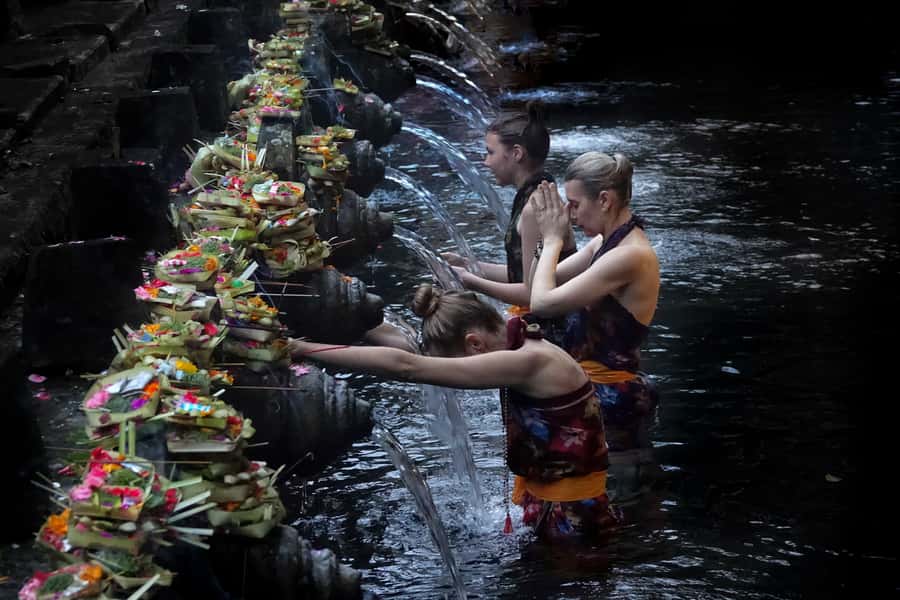
After the shamanic session, the tour moves to a holy spring temple. The main destination is usually Pura Tirta Empul, though Pura Mengening may be used depending on local conditions and the option selected.
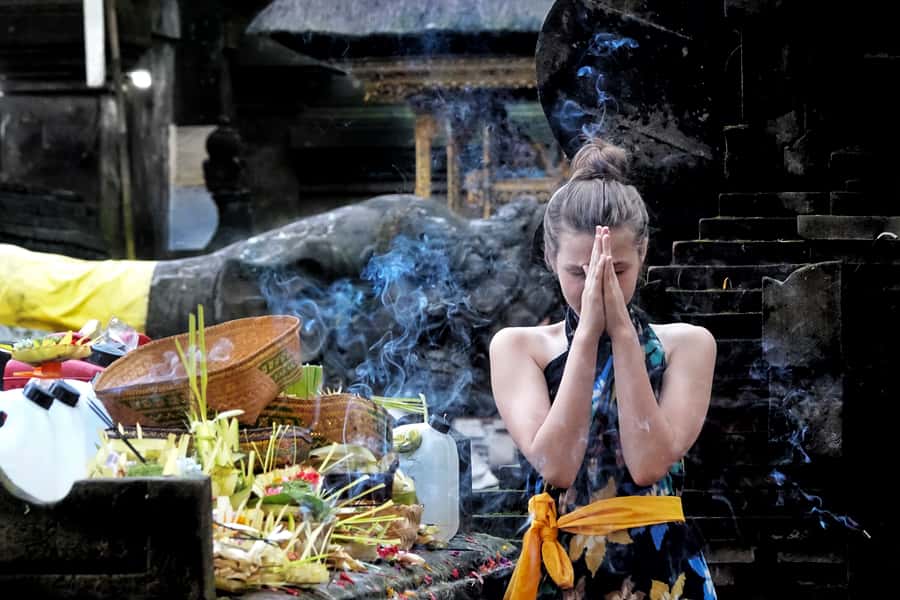
Before entering the temple area, you take part in Yadnya, an offering ritual. You learn how to prepare and present canang sari, the small woven offerings commonly seen outside homes, shops, and shrines across Bali.
The offering is more than a decorative detail. It gives you a simple way to understand the Balinese habit of expressing gratitude and maintaining harmony through daily acts. Your guide can explain what you are doing and where the offering belongs, which is far better than copying other people without knowing the reason.
Wear suitable clothing and follow temple rules. A sarong is provided, and comfortable clothing makes the changing process easier. Keep cash with you for personal costs, but remove jewelry, watches, and electronic items before entering the holy spring area.
Entering Tirta Empul’s 11th-century spring temple
Pura Tirta Empul is an 11th-century Hindu water temple and one of Bali’s best-known places for ritual purification. The temple is valued not only for its architecture, but also because religious practice continues here in an active and visible way.
You first have time to walk through the temple grounds and learn about the setting. Uneven surfaces are part of the visit, so sturdy, comfortable shoes are more useful than stylish sandals.
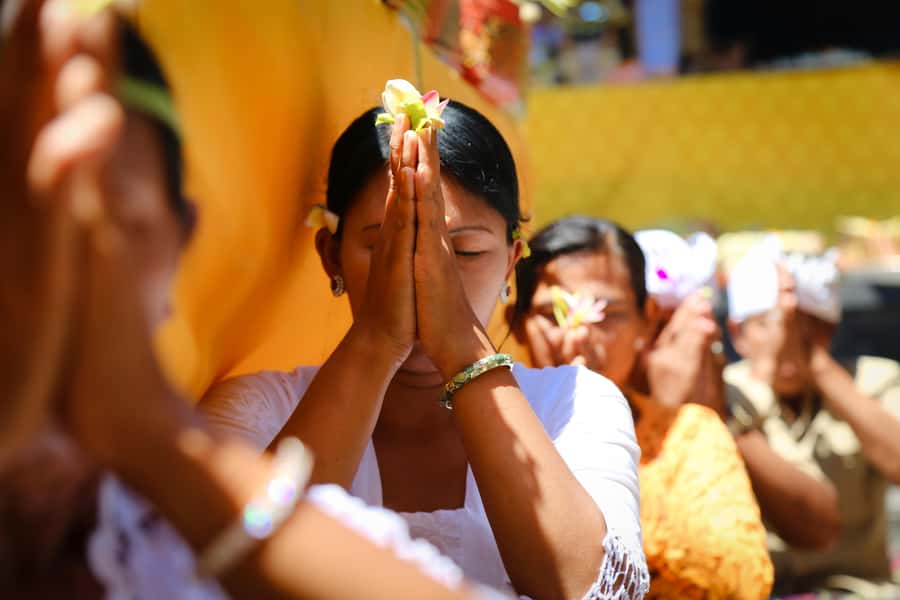
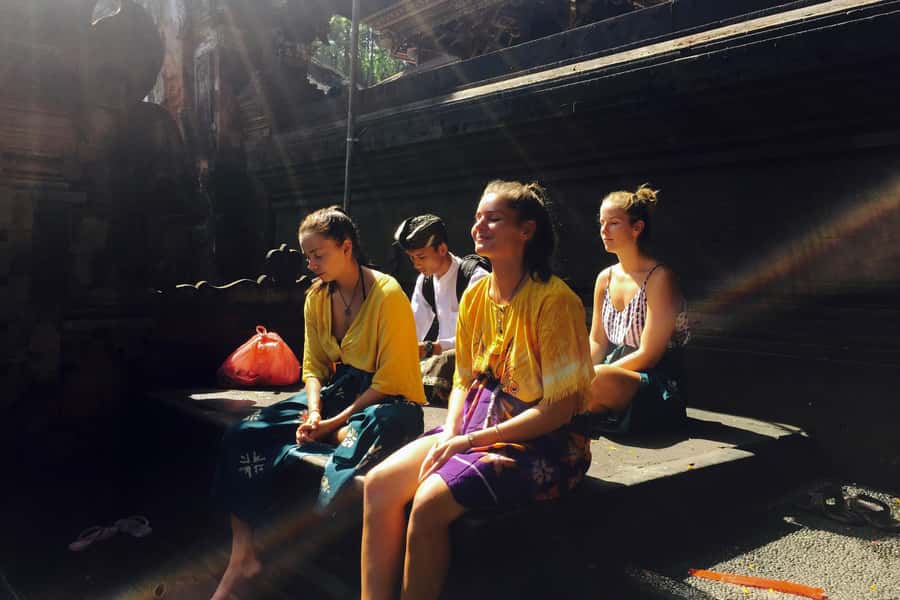
The central experience is Melukat, a traditional purification ritual performed with water from the temple’s holy springs. You move through the fountains at a gentle pace, following the instructions of your guide and the temple customs. The process involves prayer, washing, and reflection.
You should not treat the pools as a casual swimming area. This is a religious ceremony, and your guide will help you understand where to stand, how to approach the fountains, and when to move on. Guides such as Koman, Ketut, and Dayu have helped people through the ritual when the temple was busy, including with practical matters such as bathing robes and photographs.
A useful caution: drinking holy water is common in some Balinese religious settings, but you are advised not to drink it on this tour. Follow the instructions given to you and avoid turning the ritual into a photo session. You can take pictures at suitable moments, but jewelry, watches, and electronics should be removed around the spring area.
Bring a towel and a full change of clothes. You will get wet, and staying in damp clothing for the ride back is no fun. The provided sarong helps with temple dress, but it does not replace dry clothing.
A different pace of day, same stretch of Bali coast:
- Bali: Mount Batur Sunrise Guided Hike and Natural Hot Spring
★ 4.8 · 9,284 reviews - Bali: Sunrise Mount Batur Hike with Breakfast
★ 4.8 · 6,973 reviews - Bali: Ubud Gorilla Face ATV and Ayung Rafting Trip with Meal
★ 4.8 · 4,765 reviews - Ubud: Waterfall, Rice Terraces & Monkey Forest Tour
★ 4.9 · 4,269 reviews
Pura Mengening as the alternate temple
Some departures use Pura Mengening instead of Tirta Empul. The supplied details do not promise the same temple on every booking, so check the option carefully before paying.
The value of this flexibility is practical. Local conditions, timing, and crowd levels can affect the choice. The tradeoff is that you should not book expecting one exact temple unless your selected package clearly names it.
The ritual itself remains the key point. At either temple, you are there to follow local customs, make an offering, enter the spring area respectfully, and learn why purification matters in Balinese religious life.
What the guides add to the experience
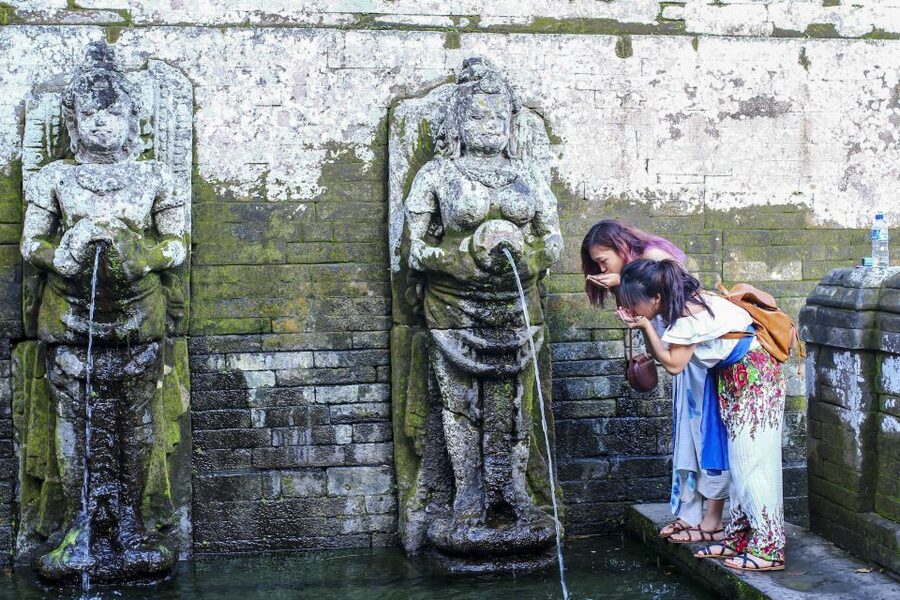
The guide is more than a driver. This tour works best when someone explains the customs in plain English and stays with you during the parts that might otherwise feel confusing.
Several guide names appear repeatedly in the supplied experience details, including Sandi, Dayu, Gus, Dharma, Sagita, Ketut Artawa, Koman, and Suker. Assignments can vary, so you may not receive a particular person. The consistent pattern is a guide who explains the ceremony, answers questions, helps with temple etiquette, and often takes photographs.
Sandi is described as both a cultural guide and a shaman-in-training. Dayu is praised for explaining rituals clearly and helping people through the water ceremony. Gus has been flexible with route changes and has added local stops when time allowed. Sagita has been particularly helpful for solo visitors and has sometimes adjusted the day around a massage, coffee tasting, or other request.
Some guests have also found the private or nearly private format especially comfortable. One solo booking became an unhurried personal day, while off-season departures have sometimes felt like private tours. Group size can vary, so do not assume a private vehicle means a completely private ritual.
Optional stops, meals, and add-ons
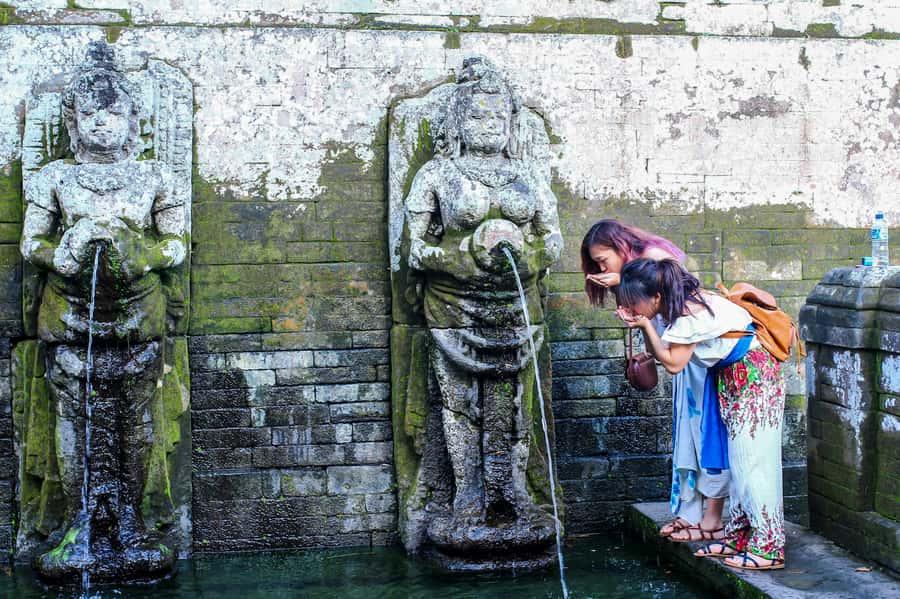
The base description focuses on the shaman and temple, but the tour offers add-ons. Exact choices depend on the package, so read the selection carefully.
Possible extras described in the experience details and guest accounts include:
- A full-body massage
- Coffee and tea tasting, sometimes at a coffee plantation
- Lunch at a scenic restaurant
- A silversmith workshop
- An art gallery
- A giant swing
- Additional local sightseeing
These additions can make the day feel fuller, but they also shift the emphasis away from the spiritual program. If your main goal is quiet reflection, too many extra stops may dilute the mood. If you want a broad Ubud-area day with cultural stops, the flexibility can be useful.
Meals are not included, so budget for lunch and snacks. Some guides may suggest or stop at a restaurant, but you should not assume the meal is covered in the $36 price.
Is $36 good value for a full day?
At $36 per person, the tour is priced well for an eight-hour outing with air-conditioned transportation, an English-speaking guide, a sarong, and bottled water. The value is strongest if your chosen option includes the temple entrance, spiritual cleansing, and shaman.
Do not compare prices without checking inclusions. The booking has several versions, and the entry ticket, cleansing, and healer may be optional. Choosing a cheaper option and then discovering that key parts cost extra can spoil an otherwise worthwhile day.
The transport alone has value in Bali, especially if you are staying away from the temple area. You avoid arranging a separate driver, finding the entrance, and working out the purification process on your own.
At the same time, $36 does not include meals or personal spending. Add money for lunch, optional treatments, and souvenirs. Cash is recommended.
Free cancellation up to 24 hours before the start gives you some flexibility, and reserve-now-pay-later booking can help if your Bali plans are still moving around. Just make sure the selected option matches what you want.
Who should book this Bali cleansing tour?
I would recommend it to you if you want more than temple photographs and are willing to approach Balinese Hindu customs with respect. It suits solo visitors, couples, and people making a first visit to Ubud or central Bali who want a guide to explain the religious setting.
It is also a good fit if you are curious about ritual, prayer, meditation, or personal reflection. The shaman session is more intimate than a normal sightseeing stop, so you should be comfortable discussing an intention or sitting quietly during a ceremony.
You should think twice if you want a tightly timed sightseeing day, dislike getting wet, or prefer strictly secular activities. The ritual can feel personal, and the shaman’s methods differ from one lineage to another.
The tour is not suitable for wheelchair users or people with mobility impairments, partly because of uneven temple surfaces and the nature of the spring ritual. It is also not suitable for babies under one year, people with a cold, or women who are menstruating, who are advised not to join.
Practical preparation for the temple
Wear comfortable clothes that make changing easy. Pack:
- A towel
- A complete change of clothes
- Comfortable walking shoes
- A camera for suitable moments
- Cash for personal expenses
- A light, respectful outfit for temple entry
Leave valuable jewelry and watches behind if possible. Electronics must be removed before entering the holy spring area, and your phone may be more useful in the vehicle than beside the fountains.
Traffic is the biggest timing risk. An eight-hour duration is a guide, not a guarantee. Peak-hour congestion can affect pickup, temple arrival, and the return to your hotel.
Alcohol and drugs are not allowed. The experience is built around focus, prayer, and cultural respect, so arriving prepared for a calm day will help.
Should you book it?
Book this tour if you want a guided introduction to Balinese spirituality that lets you take part in a shamanic ritual, make a canang sari offering, and complete Melukat at a holy spring. The strongest part is the human guidance. A good guide such as Sandi, Dayu, Gus, Dharma, or Sagita can turn unfamiliar customs into a thoughtful and respectful experience.
Before booking, confirm three things: which temple you will visit, whether the shaman and cleansing are included, and which add-ons cost extra. Bring dry clothes, allow for traffic, and treat the ritual as cultural and spiritual practice rather than medical treatment.
For $36, the complete option offers strong value, especially for solo visitors and first-time visitors who want help understanding Bali beyond the postcard view.
FAQ
How long does the Bali spiritual cleansing tour last?
The experience lasts about eight hours. Traffic, your pickup location, and the option selected can change the total duration.
Where does hotel pickup take place?
Pickup is available from your local hotel or other accommodation in Bali, depending on the selected booking option.
Which temple will I visit?
The tour may visit Pura Tirta Empul or Pura Mengening, depending on local conditions and the option selected. Check the booking details carefully.
Is the entrance fee to Tirta Empul included?
The entrance fee is included only if you select an option that includes it. The same applies to spiritual cleansing and the shaman or healer.
What happens during the shamanic session?
You may share a personal intention, then take part in prayers, chanting, incense rituals, symbolic gestures, and spiritual counseling. The exact process varies by the shaman’s ancestral lineage.
What is Melukat?
Melukat is a traditional Balinese spiritual cleansing ritual using holy spring water. You follow the host’s guidance as you move through the temple fountains.
Should I bring a towel and spare clothes?
Yes. You should bring both because the cleansing ritual involves entering the holy spring water.
Can I drink the holy spring water?
You are advised not to drink the holy water, even though drinking it is common in some Balinese cultural settings.
Is this tour suitable for wheelchair users?
No. The experience is not suitable for wheelchair users or people with mobility impairments. It is also not suitable for babies under one year, people with a cold, or women who are menstruating.
Recently added around Bali
- Bali: Private Lempuyang Temple, Water Temple & Rice Terraces★ 5.0 · 3 reviews
- Bali: Mountain Bike Tour and River Rafting with Lunch★ 5.0 · 3 reviews
- Bali: Sidemen Waterfall tour and temple purification★ 5.0 · 3 reviews
- Bali: Padangbai Blue Lagoon Scuba Diving Private Tour★ 5.0 · 3 reviews
- Bali’s Mystical Jungle Trek & Hidden Waterfall Adventure★ 4.3 · 3 reviews
- From Bali: Mount Bromo & Ijen volcanic private tour★ 5.0 · 3 reviews
- Bali: 7 Day Solo Traveler’s Yoga Retreat In Ubud★ 5.0 · 3 reviews
- Bali: Photo Shoot with a Private Vacation Photographer★ 5.0 · 3 reviews
Full-Day, compared.


Bali Full-Day Traditional Village Sightseeing Trip All Inclusive
Read our review →
Nusa Penida All-Inclusive Full-Day Tour with Transfers
Read our review →
Full-Day Nusa Penida Highlights Tour with Transfer
Read our review →
Tanah Lot UNESCO World Heritage Sites Full-Day Tour
Read our review →