
Reviewed · EAST BALI TOURS
Lokasari: Coffee Plantation Tour, Herbal Tea & Pure Honey
The most unusual part of Lokasari’s tour is the mix of Luwak coffee and stingless-bee honey in one short visit. You walk through a Bali coffee farm, see how civets are linked to the coffee process, pick medicinal herbs, and taste two types of raw honey.
I like the hands-on approach, especially the chance to select lemongrass, ginger, turmeric, or rosella for tea. I also like the price: at $6 per person, you get a guided farm walk, tastings, and a look at traditional brewing methods. The main drawback is time. Ninety minutes goes quickly, and one visitor felt the tour did not allow enough time.
In This Review
- Key points to know
- Walking into Bali’s coffee country
- Coffee plants, farming methods, and the Luwak story
- Picking herbs for a fresh garden tea
- Meeting Bali’s gentle stingless bees
- What the $6 price really covers
- The 90-minute schedule and its limits
- Who will get the most from this farm visit
- Simple tips for a better visit
- Should you book Lokasari?
- FAQ
- Where is the Lokasari coffee plantation tour held?
- How long does the tour last?
- How much does the experience cost?
- Is transportation included?
- What languages are available?
- What should I wear?
- What happens if it rains?
- Can children and seniors join?
- Are pets allowed?
- Does the tour include Luwak coffee and honey tasting?
Key points to know
- Luwak coffee from cherry to cup: Learn how ripe coffee cherries are selected, processed, cleaned, roasted, and brewed.
- Fresh herbs for your own tea: Pick plants such as ginger, turmeric, lemongrass, and rosella, then learn how locals use them.
- Two kinds of raw honey: Taste tangy, probiotic-rich Trigona honey and sweeter Tapis honey from gentle stingless bees.
- A good value at $6: The fee covers the plantation walk, guide, tea and honey tasting, brewing equipment, parking, and toilet access.
- A compact countryside stop: The 90-minute visit works well between other Bali plans, but you should not expect a full-day farm outing.
- Check the tasting detail: The information lists 16 coffee and tea testers with a Luwak coffee purchase, while the practical notes mention 12 varieties.
Walking into Bali’s coffee country
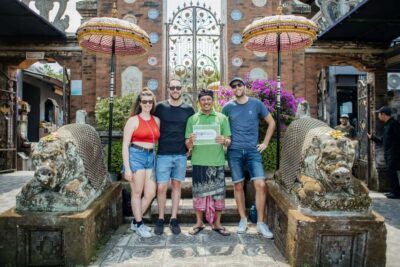
Lokasari Agrowisata begins at the main entrance of the coffee plantation, near the large Kopi Luwak sign beside the road. Look for the traditional Balinese gate and the greenery around it. Your guide waits there in a traditional Balinese madya uniform, which makes the meeting point easy to spot.
The farm walk takes you through Bali’s highland growing area, where coffee plants share space with tropical trees, herbs, spices, and other useful plants. This is not a polished museum-style attraction. The value comes from seeing agricultural work in its natural setting and hearing how local farming methods have been passed down.
Your guide speaks English or Bahasa Indonesia. An English audio guide is also included. The written information does not give group sizes or the names of individual guides, so I would not book this expecting a private visit or a particular guide.
The pace is generally gentle, but you are walking through natural farm areas rather than along a fully specified paved route. Comfortable shoes make sense. A hat and sunscreen are useful in midday sun, and umbrellas are provided if rain arrives.
A few more Sidemen Village experiences worth comparing
- Bali: Jatiluwih Rice Terraces, Sangeh Forest & Coffee Tour
★ 5.0 · 17 reviews - Batur Volcano Sunrise Trekking, Rice Teracce & Bali Coffee Plantation Tour
★ 5.0 · 3 reviews
Coffee plants, farming methods, and the Luwak story
The first main lesson covers local coffee varieties and traditional growing methods. You learn how coffee cherries develop and how farmers work with the surrounding plants in a more natural setting.
The central subject is Luwak coffee. The luwak is a civet that selects ripe coffee cherries and digests the fruit around the beans. The beans are then collected, cleaned, roasted, and brewed. At Lokasari, you get to see this process explained from cherry to finished drink rather than simply being handed a cup with a famous name.
That explanation matters because Luwak coffee has a complicated reputation. The process itself is unusual, but animal welfare can vary widely between farms and suppliers. The supplied information explains the traditional process and mentions ethical considerations, but it does not provide detailed welfare standards or describe how the civets are housed.
I would treat this as a chance to ask clear questions. Ask how the coffee is sourced, how the animals are treated, and whether the beans come from naturally collected material or captive animals. The tour gives you a starting point, but it does not claim a formal animal-welfare certification.
You then taste a fresh cup of coffee using traditional brewing tools. That practical step helps you understand the difference between hearing about coffee production and seeing how the finished drink is prepared.
A Luwak coffee purchase also affects the tasting offer. The information says you receive free coffee and tea testers with the purchase of one cup of Luwak coffee. One section says 16 testers, while the know-before-you-go notes say 12 coffee and herbal tea varieties. Since those numbers do not match, confirm the current allowance before paying.
Picking herbs for a fresh garden tea
The herbal garden changes the mood from coffee production to household remedies and plant knowledge. Lemongrass, ginger, turmeric, and rosella are among the plants you can find, along with other herbs and spices such as cinnamon, hibiscus, and vanilla.
You get to pick fresh herbs and use them to make an infusion. This is one of the tour’s most useful details because it turns the garden visit into a small activity rather than a quick walk past labeled plants.
The guide introduces traditional medicinal uses for the plants. Keep in mind that these are local uses and traditions, not medical advice. If you have allergies or dietary concerns, tell the operator in advance. The tour information specifically asks you to report food allergies and accessibility needs before arrival.
The tea tasting is a pleasant counterpoint to the coffee. Ginger and turmeric bring a warm, earthy quality, while lemongrass is lighter and more fragrant. Rosella offers a sharper, fruitier style. The exact blend depends on what is available and what you choose.
You also get time to sit with the drink and enjoy the farm setting. The visit is still short, so this is a brief pause rather than a long tea ceremony. If you want a slow rural morning with plenty of time for questions, the 90-minute format may feel tight.
Meeting Bali’s gentle stingless bees
The bee section is the other feature that makes this tour different from a standard coffee plantation visit. You visit stingless bee hives and learn how Trigona and Tapis bees produce honey.
The hives are interesting because the bees are gentle and do not sting. You watch the harvesting process and taste the results. The guide presents the honey as a natural food valued locally for its nutritional qualities.
Trigona honey is the more distinctive taste. It is described as tangy and probiotic-rich, so expect a sharper flavor than ordinary sweet honey. Tapis honey is sweeter and more floral. Tasting both side by side gives you a useful comparison instead of treating honey as one single product.
The harvesting demonstration also connects the food on your spoon with the work behind it. You see that honey production can be done on a small scale while keeping the hives part of the farm environment.
The supplied details do not state the size of the hives, the exact harvesting tools, or how long the bee visit lasts. You can expect an introduction and tasting, not a technical beekeeping course.
A different pace of day, same stretch of Bali coast:
- Bali: Cooking Class with 5 Balinese Dishes
★ 4.9 · 178 reviews - Sidemen Trekking: A Walk from Different Perspective
★ 4.9 · 91 reviews - Sidemen rice terraces trek and local village walk
★ 5.0 · 41 reviews - Bali: Traditional Villages, Salt Farm & Tirta Gangga Tour
★ 4.9 · 31 reviews
What the $6 price really covers
At $6 per person, this is a strong-value activity if you are already nearby. The price includes a guided coffee plantation walk, an educational Luwak coffee session, access to the herbal garden, an introduction to medicinal plants, a stingless-bee visit, raw honey tasting, tea, traditional brewing tools, scenic photo opportunities, parking, and toilet access.
That is a lot of variety for 90 minutes. You get three connected subjects: coffee, herbs, and honey. The tour also gives you several tastes, which makes the low entry price more worthwhile.
The catch is that transportation is not included. You must make your own way to the plantation, and the information does not provide a pickup service. This tour works best as a planned stop on a day when you already have transport.
Meals are not included, apart from the listed tastings and snacks. Additional drinks or food cost extra. The farm has a shop, and you may find honey, coffee, or tea products for sale there. Buying something is optional.
One useful detail from the visit is that the shop does not have to feel like a hard-sell stop. The guide information says guides are friendly and available for conversation after the tour, without pressure to buy. That is a welcome touch, but you should still set your own budget before browsing.
The 90-minute schedule and its limits
The advertised duration is 90 minutes, with several possible starting times shown during booking. The precise order and length of each stop may vary, but the visit normally moves from coffee plantation to Luwak coffee, then herbal tea, then stingless-bee honey.
That compact schedule is useful for families and people planning several activities in one day. Children and seniors are welcome, and the walking is described as suitable for all ages. Pets are also allowed if kept on a leash and under control.
Still, you should manage your expectations. You are not getting a long farm stay, a full meal, or a broad agricultural workshop. The coffee explanation, herb picking, tea preparation, honey harvest, and tastings all compete for the same short block of time.
If coffee is your main reason for coming, make sure you have enough time for questions about sourcing and animal care. If tasting is your priority, the schedule should suit you well. If you want the relaxed feel of a half-day countryside visit, choose a longer activity instead.
Advance booking is recommended because availability can be limited. The booking terms allow cancellation up to 24 hours ahead for a full refund, and you can reserve now and pay later. Those options are useful if your Bali plans may shift.
Who will get the most from this farm visit
I would recommend Lokasari to you if you enjoy food origins, traditional farming, and short guided activities with several tasting stops. It is especially suitable if you want something quieter than Bali’s main sightseeing areas.
Coffee fans get the most detailed subject here, but you do not need to be a coffee expert. The tour explains the Luwak process in plain terms and finishes with a cup. Tea drinkers get a hands-on moment in the herb garden, while honey lovers can compare two quite different raw honeys.
Families may appreciate the all-ages format and the gentle bee hives. The combination of plants, insects, coffee, and tasting gives children several things to look at. Seniors can join as well, though comfortable shoes remain sensible because the route passes through natural farm areas.
This is less suited to you if you dislike commercial tastings or do not want to hear a sales presentation connected to plantation products. The experience includes a shop and optional purchases, and the Luwak coffee tasting offer is tied to buying a cup. You can also skip the purchase and focus on the included elements, but confirm exactly what tastings apply.
People with allergies should contact the operator ahead of time. The tour includes coffee, herbal plants, tea, honey, and other ingredients, so advance notice is the practical choice.
Simple tips for a better visit
Arrive at the main entrance by the large Kopi Luwak sign, not simply at a general address in the area. The traditional gate and the guide’s madya uniform should help you identify the correct spot.
Wear shoes that can handle uneven farm ground. Bring sun protection for bright hours, and do not worry too much about a sudden shower because umbrellas are provided.
If you care about the Luwak story, prepare questions about animal welfare before you arrive. The tour introduces ethical concerns, but the available information does not answer every sourcing question.
Ask which tasting total applies on the day. The advertised inclusion refers to 16 coffee and tea testers with a Luwak coffee purchase, while another note says 12 varieties. That is a small detail, but it matters if tasting is your main reason for booking.
Give the guide your preferred language when reserving. English and Indonesian are available, with an audio guide in both languages.
Should you book Lokasari?
Book it if you want a low-cost, friendly introduction to Bali’s farm products and you like tasting as much as sightseeing. The combination of coffee, fresh herbs, and stingless-bee honey is unusual, and the $6 fee offers good value when you are already in the area.
Skip it if you need a long, unhurried plantation visit or want a detailed, independently verified account of Luwak coffee welfare. The 90-minute schedule is the one real limitation.
For most visitors with an interest in local food and rural Bali, I would make this a short stop rather than the main event of the day. Go with comfortable shoes, a few questions, and realistic expectations about the timing. You will leave with a better sense of how coffee, herbs, and honey connect to daily farming traditions.
FAQ
Where is the Lokasari coffee plantation tour held?
The tour is held at Lokasari Agrowisata in Bali, Indonesia. The meeting point is at the plantation’s main entrance near the large Kopi Luwak sign beside the road.
How long does the tour last?
The tour lasts 90 minutes.
How much does the experience cost?
The listed price is $6 per person.
Is transportation included?
No. Transportation to and from the plantation is not included.
What languages are available?
The live guide speaks English and Bahasa Indonesia. An audio guide is also available in English and Indonesian.
What should I wear?
Wear comfortable walking shoes for natural farm areas. A hat and sunscreen are recommended, especially around midday.
What happens if it rains?
Umbrellas are provided in case of rain.
Can children and seniors join?
Yes. The activity is described as suitable for all ages, including children and seniors.
Are pets allowed?
Yes. Pets may enter if they are kept on a leash and remain under control.
Does the tour include Luwak coffee and honey tasting?
Yes. The experience includes a Luwak coffee session, herbal tea, and raw Trigona and Tapis honey tasting. The free coffee and tea tester offer requires purchasing one cup of Luwak coffee, and the stated number of testers varies between 12 and 16 in the tour information.
Recently added around Sidemen Village
- Bali: Blue Lagoon Snorkeling Tour with Bali Quad Bike★ 3.4 · 3 reviews
- Discover Sidemen’s First Silver Class at Agung Silver★ 5.0 · 3 reviews
- Sidemen activities (silverclass,tourwaterfall)★ 4.5 · 4 reviews
- Pedal Through Paradise: Bali Wanderlust Sidemen Cycling Tour★ 5.0 · 4 reviews
- Scenic Cycling Tours Through Bali’s Sidemen Countryside★ 5.0 · 5 reviews
- Sidemen Silver Artistry Class: Create Unique Jewelry in Bali★ 5.0 · 6 reviews
- Bali: Silver Jewelry Making Workshop in Sidemen Village★ 5.0 · 6 reviews
- Bali: Traditional Villages, Salt Farm & Tirta Gangga Tour★ 4.9 · 31 reviews
East Bali Tours, compared.
Lempuyang Quick Access, Waterfall, Water Palace & More
Read our review →
Open Water Course in Tulamben – Get Certified in Bali
Read our review →

Bali Diving for Beginners: Tulamben Liberty Wreck
Read our review →
Discover Scuba Diving in Tulamben – Diving Initiation in Bali best diving sites
Read our review →


Advanced Open Water Course – Advanced Certification in Tulamben
Read our review →Browse the lists this tour appears in