
Reviewed · DENPASAR TOURS
Nusa Dua: Museum Pasifika Admission Ticket with Audio Guide
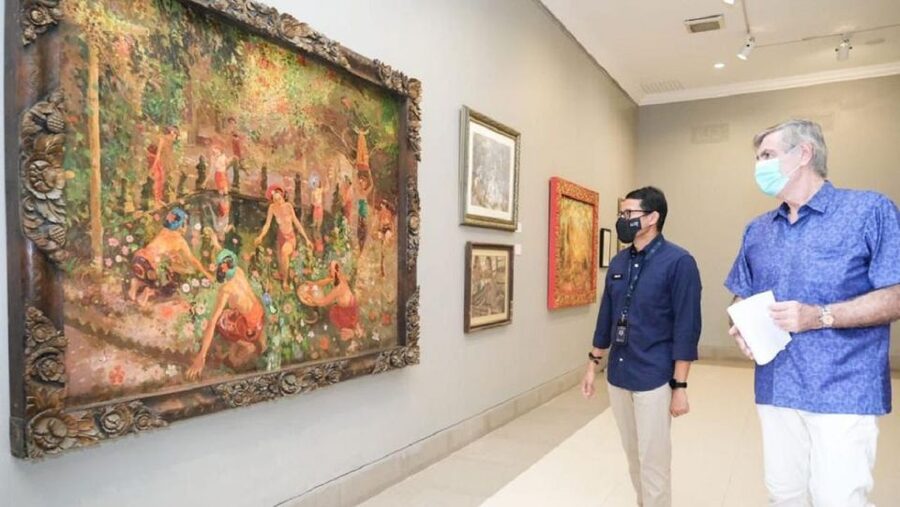
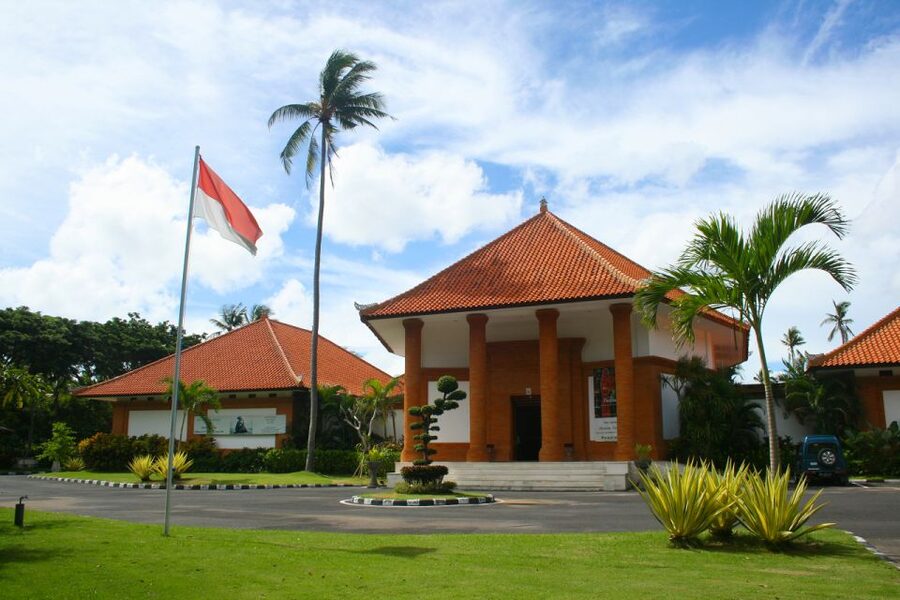
Museum Pasifika brings together more than 600 paintings and sculptures from Indonesia, Asia, and the Pacific, giving you an unusual art stop in a resort district better known for beaches and hotels. I like the clear focus on Indonesian masters and the striking collection of Oceanic sculpture, especially when the audio guide helps explain what you are seeing. The galleries are quiet and relaxed, but some art may be affected by Bali’s humidity, and a recent visit noted no air-conditioning and doors left open.
I also like the price: at $7 per person, this is an easy cultural add-on rather than a major financial decision. You can spend a full day using the ticket, though most people will likely plan a shorter museum visit. Come for the art, not polished blockbuster facilities.
In This Review
- Key points to know before you go
- Starting with Indonesian masters in Nusa Dua
- European artists shaped by Indonesia and Asia
- The Hanoi Beaux-Arts connection
- The Michoutouchkine and Pilioko collection
- Gauguin, Rodin, and the Western artists room
- How long to allow for the visit
- The condition of the galleries
- Accessibility and simple onsite comforts
- Is the $7 ticket good value?
- Who should book Museum Pasifika?
- My booking advice
- FAQ
- Where is Museum Pasifika located?
- How much does admission cost?
- How long is the ticket valid?
- Is an audio guide included?
- What does the ticket include?
- Is transportation included?
- Is the museum wheelchair accessible?
- Can I take photographs inside?
- What facilities are available onsite?
Key points to know before you go
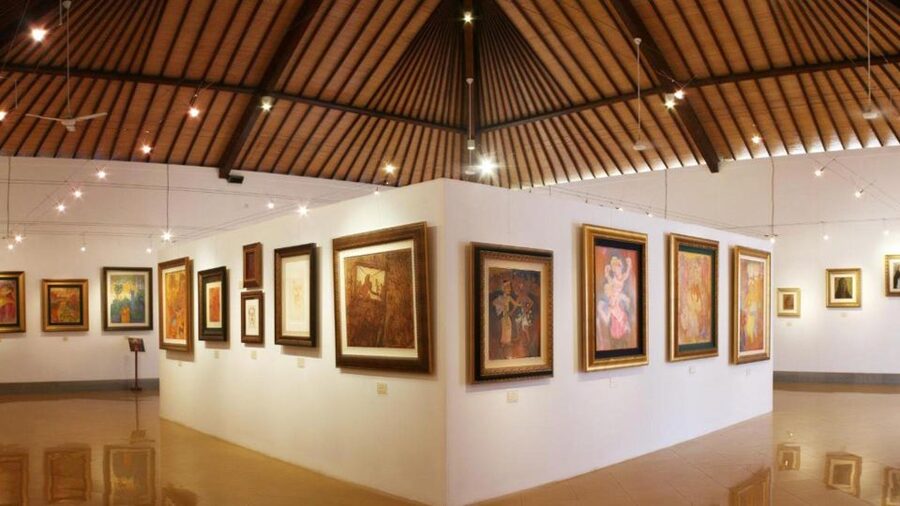
- More than 600 works: The museum displays paintings and sculptures by about 200 international artists.
- Strong Indonesian section: See work by Raden Saleh, Lempad, Affandi, Hendra, Kobot, and more than 50 other Indonesian artists.
- Major Pacific collection: Around 200 Oceanic sculptures come from 10 Pacific nations.
- Audio guide included: Information is available in English and Indonesian, although the activity details also describe the guide as optional.
- Good-value admission: The $7 ticket includes a refreshment, cold towel, and tea, coffee, or infused water.
- Easy access: The galleries and facilities are wheelchair and motorized wheelchair accessible, with parking and free Wi-Fi onsite.
Starting with Indonesian masters in Nusa Dua
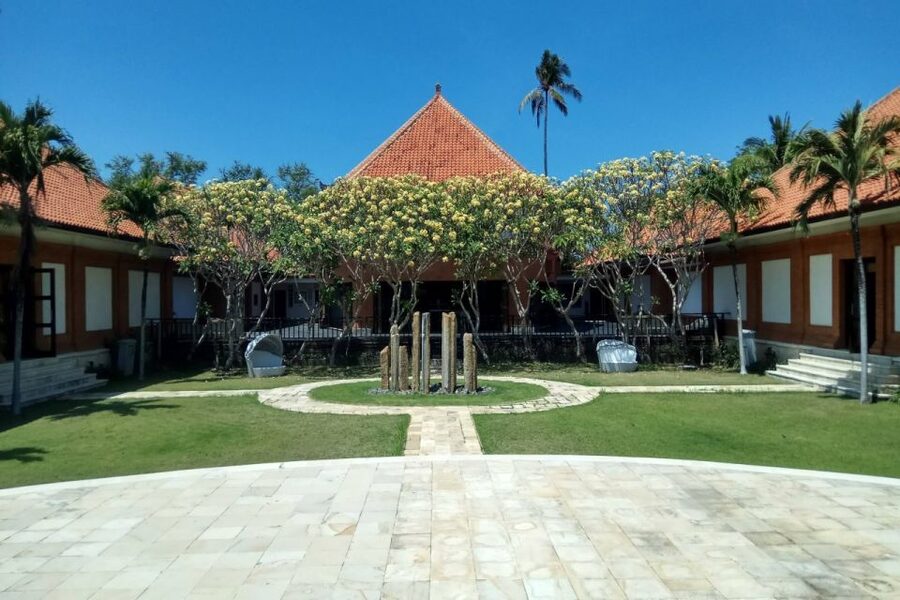
Museum Pasifika is in Nusa Dua, Bali, and you show your ticket at the reception area. There is no hotel pickup or drop-off, so you need to arrange your own way there. A large parking area makes the museum practical if you are already moving around southern Bali by car or taxi.
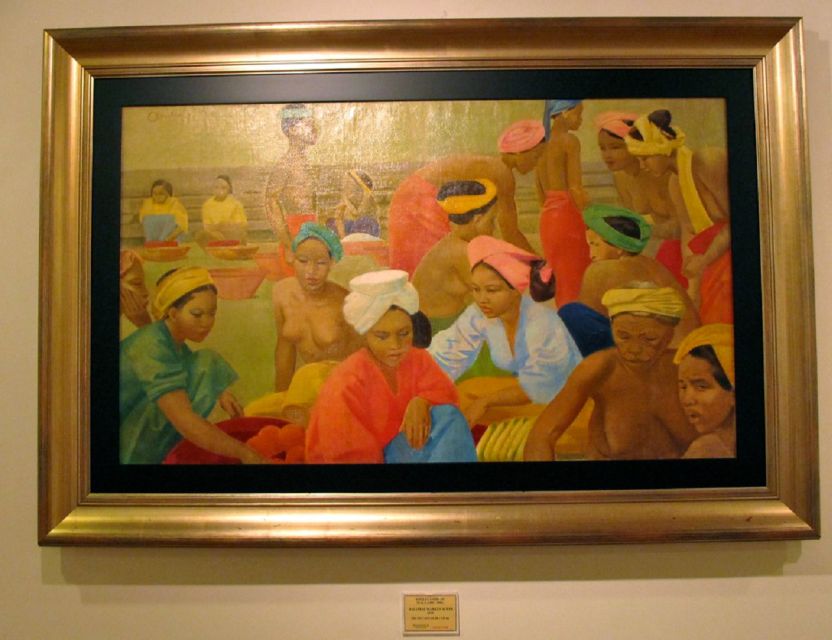
I would begin with the Indonesian collection. The names here matter: Raden Saleh, Lempad, Affandi, Hendra, and Kobot represent different periods and approaches within Indonesian art. The museum includes work by more than 50 Indonesian artists, so you are not getting a single narrow view of the country’s art.
That range is the main reason to visit. Instead of seeing only the familiar Bali scenes often sold to visitors, you can compare Indonesian painting styles across several rooms. The collection gives you a chance to consider how artists treated local subjects, people, nature, and daily life in different ways.
The audio guide is useful here because a large collection can otherwise feel like a string of names and labels. You can listen in English or Indonesian and move at your own pace. The available information does not identify individual audio guides, so do not expect a live historian leading the visit. This is a self-guided museum experience.
A few more Denpasar experiences worth comparing
- Bali: Archeology Museum, Gunung Kawi & Goa Gajah Temple Tour
★ 4.9 · 75 reviews - Denpasar: Museum, Traditional Market and Food Tasting Tour
★ 4.9 · 33 reviews
European artists shaped by Indonesia and Asia
The next part of the visit looks at Indo-European artists who worked in or drew inspiration from Asia, especially Bali and Indonesia. The museum gives space to Italian, French, and Dutch creators, including Walter Spies, Miguel Covarrubias, Jean Le Mayeur, and Charles Sayers.
This section is valuable because it shows how artists from outside Indonesia interpreted the region. Their work can be attractive, but it also raises useful questions. You can look at what they noticed, what they left out, and how their artistic choices were shaped by life in Bali and Asia.
I would not treat these paintings as a complete picture of Indonesian life. They are personal interpretations, often made through an outsider’s eyes. That is precisely why they work well beside the Indonesian masters. You can compare local and foreign viewpoints rather than seeing either one in isolation.
The relaxed gallery setting helps here. A top-rated experience described the museum as nice and quiet, and that calm atmosphere suits a collection that rewards slow looking. You are unlikely to feel pushed through a fixed route. Take the audio guide when a painting interests you, then pause and look at the work without trying to cover every label.
The Hanoi Beaux-Arts connection
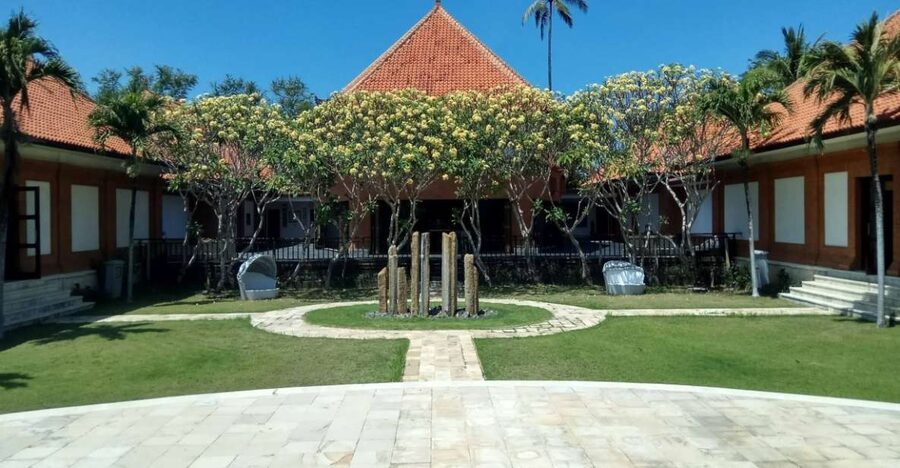
Museum Pasifika also displays work by Indonesian students of the Beaux-Arts School of Hanoi. This is one of the less obvious parts of the collection and gives the museum a wider Asian frame.
The school connection matters because it places Indonesian artists within a larger network of art education and exchange. The museum notes that these artists have appeared in contemporary international exhibitions and publications. That does not mean every visitor will recognize the names, but the section adds useful context to the story of modern Asian art.
For you, this room may be less instantly familiar than the works connected with Bali or famous European artists. Give it time if you enjoy seeing how artists from different parts of Asia worked within formal art-school traditions. The audio guide can help make this section easier to follow, particularly if you are not already familiar with the school or its influence.
The Michoutouchkine and Pilioko collection
The Pacific collection is the museum’s most distinctive feature. The Michoutchoukine and Pilioko Collection of Premier Art of Oceania contains around 200 sculptures from 10 different Pacific nations.
The collection was assembled over 50 years by the two artists, Michoutouchkine and Pilioko. The museum describes it as one of the most complete collections of its kind worldwide. You will see three-dimensional works rather than only framed paintings, which gives the visit a different rhythm after the Indonesian and European rooms.
This section is especially useful for anyone interested in the Pacific but unable to visit several island nations on one trip. The collection brings together objects from across the region, though the provided information does not list every nation or explain the individual works in detail. Use the audio guide where available, and allow time to compare the shapes, materials, and visual ideas across the collection.
I like this part because it adds something you are unlikely to find in a standard Bali art museum. It also prevents the visit from becoming only a survey of Indonesian painting. The Pacific works broaden the museum’s purpose and connect Bali to a much larger area of the world.
A different pace of day, same stretch of Bali coast:
- From Bali: Nusa Penida Private Snorkeling Tour with Lunch
★ 4.9 · 2,067 reviews - Canggu: Surfing Lesson with ISA Instructor
★ 4.9 · 232 reviews - Sanur Village E-bike Tour: Family-Friendly Adventure
★ 4.6 · 85 reviews - Bali: Tarot, Oracle Reading, and Cleansing Tirta Empul Trip
★ 4.7 · 72 reviews
Gauguin, Rodin, and the Western artists room
The Legendary Western Artists Exhibition includes sculptures and woodcuts by Paul Gauguin from his Tahiti period. You will also find works associated with Henri Rousseau, Henri Matisse, Auguste Rodin, Marvina Hoffmann, and Bernard Buffet.
This room is likely to catch the eye of anyone who comes mainly for famous European names. Gauguin’s Tahiti period gives the exhibition a clear link to the Pacific, while the other artists reflect different ways Western creators responded to Asia and Oceania.
Keep your expectations sensible. The ticket provides access to a museum collection, not a large national gallery with endless rooms of major masterpieces. The value comes from the unusual grouping. You can see Indonesian art, Pacific sculpture, and Western work connected to Asia in one compact visit.
The selection also makes the museum a useful stop for mixed-interest groups. One person can focus on Indonesian painting, another on Pacific sculpture, and another on the European names. At $7, the admission is low enough that you do not need to spend hours to feel you received fair value.
How long to allow for the visit
The ticket is valid for one day, and availability shows starting times when you book. That gives you flexibility, but the experience is not presented as a timed guided tour with a set sequence. You can visit during the valid date and explore at your own speed.
I would allow at least one hour if you want a proper look at the main rooms. You might spend longer if you listen to much of the audio guide or take special interest in the Pacific collection. The ticket technically covers a full day, but that does not mean you need to make the museum an all-day commitment.
The best plan is to fit Museum Pasifika around other Nusa Dua activities. Visit when you need a break from the heat, then use the café or refreshment facilities onsite. A cold towel and a choice of tea, coffee, or infused water are included, which is a small but welcome touch in Bali’s climate.
Because the museum is quiet, you can make this a calm cultural pause rather than a rushed checklist stop. That said, the building conditions may affect how comfortable you feel. A recent assessment found no air-conditioning and doors left open, with humidity raising concerns about the protection of the artworks. If you are sensitive to heat, plan your visit with that in mind.
The condition of the galleries
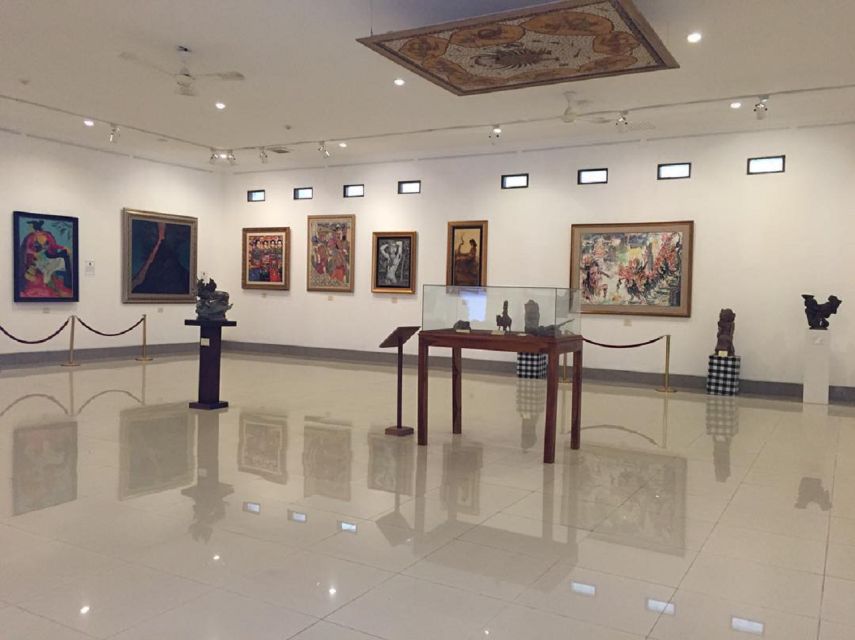
This is where I would keep your expectations in check. The art collection is broad and often beautiful, but the facilities may not have the cool, tightly controlled environment you expect from a major international museum.
The reported lack of air-conditioning and open doors are practical concerns in Bali. Humidity can be hard on paintings, prints, wood, and other materials. One assessment also raised concern that some pieces were not well protected and were beginning to show damage. I cannot say how every room currently looks, but this is a fair reason to view the museum as an interesting private collection rather than a perfectly maintained institution.
That limitation does not erase the value of the art. It simply changes the kind of experience you are buying. You come for access to an unusual body of work and a quiet look around, not for glossy museum technology or a highly controlled exhibition hall.
The museum does not allow flash photography, tripods, weapons, or sharp objects. These rules protect both the collection and other people’s ability to look around. Check your camera settings before entering, and leave bulky photography gear behind.
Accessibility and simple onsite comforts
The galleries and facilities are wheelchair accessible, including for motorized wheelchairs. That makes this one of the easier cultural stops in Nusa Dua for visitors who need step-free access. The information does not provide details about seating inside each room, so you may want to ask at reception if that matters for your visit.
There is a large parking area, a café, and free Wi-Fi onsite. These features make the museum easier to combine with a relaxed half-day in Nusa Dua. You can arrive without worrying about finding a small parking space, then take a break before or after looking through the galleries.
Children aged 0 to 11 enter free of charge. That changes the value calculation for families, particularly if adults in the group have an interest in art and want a quiet indoor activity. Young children may not stay engaged with every room, so focus on the sculptures and the most visually striking works rather than trying to cover every artist.
Is the $7 ticket good value?
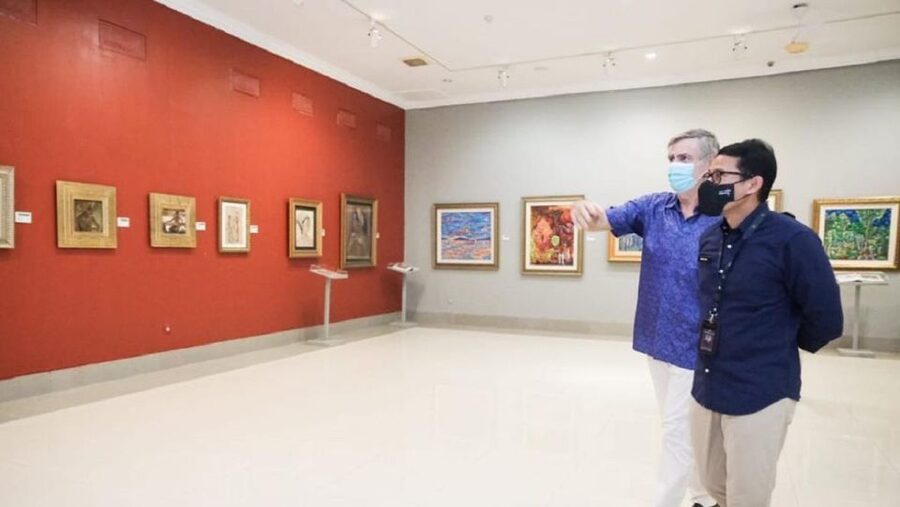
For $7, I think this is a reasonable purchase if you already plan to be in Nusa Dua. The ticket includes admission, an audio guide, a refreshment, a cold towel, and tea, coffee, or infused water. Children under 12 enter free, which improves the deal for families.
The main value is the range. You are not paying to see only one style or one national collection. The museum brings together more than 600 works by about 200 artists, including over 50 Indonesian artists and around 200 Pacific sculptures from 10 nations.
Still, the price should not hide the drawbacks. The facilities may feel under-maintained, and the humidity issue is worth taking seriously. If you want a polished museum with strong climate control, dramatic displays, and extensive visitor services, this may feel underwhelming.
I would compare it with the cost of a short paid attraction in Nusa Dua. The museum gives you an hour or more of quiet indoor culture, plus a drink and a place to rest. That is solid value, especially on a hot day, as long as your priority is the collection rather than the building.
Who should book Museum Pasifika?
I would recommend this experience to you if you enjoy art, want a break from beach time, or like seeing connections between Indonesia, the Pacific, and Europe. It is also a good choice for repeat visitors to Bali who have already seen the usual attractions and want something less predictable.
Families can benefit from the free admission for children aged 0 to 11. The wheelchair-accessible galleries also make it a practical option for visitors who need accessible facilities. The café, parking, and free Wi-Fi add convenience without turning the museum into a full resort attraction.
I would be more cautious if you only want famous masterpieces in perfect surroundings. The museum includes important names, but the collection is the reason to come, not a promise that every work will be in ideal condition. The quiet mood was one of the strongest positives, while the lack of air-conditioning and concerns about protection are the clearest negatives.
The audio guide can make the visit more rewarding, but check how it is being provided when you arrive because the details describe it both as included and as optional. English and Indonesian are the available languages.
My booking advice
Book Museum Pasifika if you are staying in Nusa Dua and want an affordable, self-paced art visit with genuine range. Start with the Indonesian masters, give the Pacific sculpture room plenty of time, and then compare the Asian-inspired Western works with what you have already seen.
Skip it if you expect a highly polished blockbuster museum or if indoor heat will make it hard for you to concentrate. For most people, the $7 price keeps the risk low. You get an unusual collection, a quiet setting, an audio guide, and a welcome drink, with the understanding that the facilities may be modest.
FAQ
Where is Museum Pasifika located?
Museum Pasifika is in Nusa Dua, Bali, Indonesia. You show your ticket at the reception area.
How much does admission cost?
The admission price is $7 per person. Children aged 0 to 11 can enter free of charge.
How long is the ticket valid?
The ticket is valid for one day, on the visit date selected when booking.
Is an audio guide included?
An audio guide is available in English and Indonesian. The activity information describes it as included and also refers to it as optional, so confirm the arrangement at the museum reception.
What does the ticket include?
The ticket includes museum admission, an audio guide, a refreshment, a cold towel, and drinks such as tea, coffee, or infused water.
Is transportation included?
No. Hotel pickup and drop-off are not included, so you need to arrange your own transportation to the museum.
Is the museum wheelchair accessible?
Yes. The galleries and facilities are accessible to wheelchairs and motorized wheelchairs.
Can I take photographs inside?
You cannot use flash photography or tripods. Weapons and sharp objects are also not allowed.
What facilities are available onsite?
The museum has a large parking area, a café, and free Wi-Fi access.
More Audio Tours in Denpasar
- Backlanes and Hidden Sites: A Self-Guided Audio Tour in Seminyak
★ 5.0 · 6 reviews
Recently added around Denpasar
- Bali: Denpasar Market Food Tour with 7 Tastings Must-Try★ 3.9 · 3 reviews
- Denpasar: Private custom tour with a local guide★ 5.0 · 3 reviews
- Bali : Full Day Denpasar City Tour★ 5.0 · 3 reviews
- Bali: Rice Terraces Guided Hiking Experience★ 4.3 · 3 reviews
- Bali/Denpasar: Barong & Kris Dance Show at Tanah Kilap★ 3.7 · 3 reviews
- BEAT BOAT – Boat Party★ 5.0 · 3 reviews
- Bali: Local Village and School Tour with Lunch★ 3.2 · 3 reviews
- Bali: Private Sunset Yacht for Party & Birthday★ 4.6 · 4 reviews
Denpasar Tours, compared.
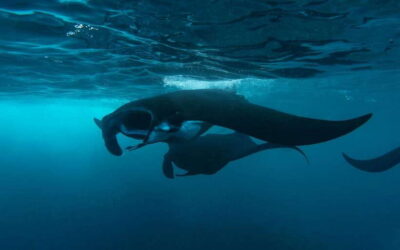
Nusa Penida Private Snorkeling Tour with Lunch
Read our review →
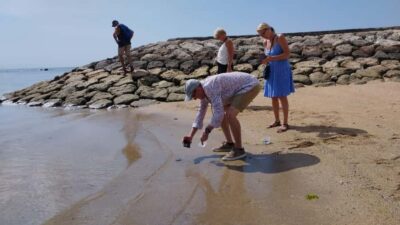
Sanur Village E-bike Tour: Family-Friendly Adventure
Read our review →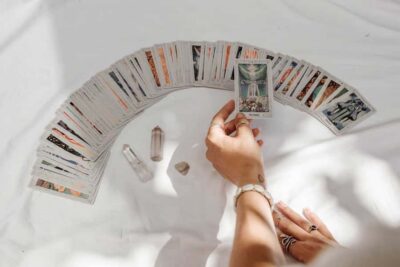
Tarot, Oracle Reading, and Cleansing Tirta Empul Trip
Read our review →

Browse the lists this tour appears in