
Reviewed · WORKSHOPS
Ubud: 3-Hour Batik Making Class
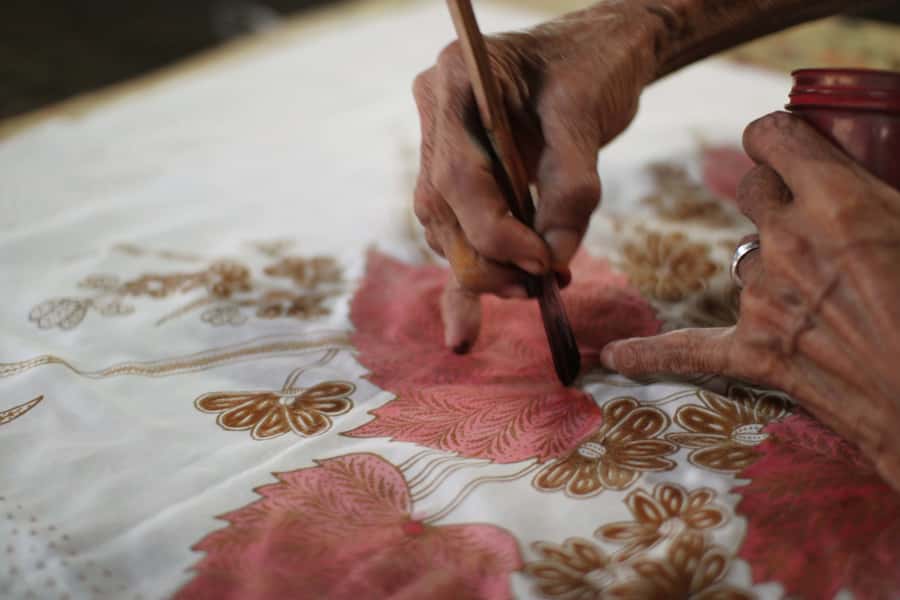
Batik turns a plain piece of cloth into a personal work of art through a careful dance of hot wax and dye. At WS Art Studio, you trace or draw a design, seal parts of it with wax, add color, and watch the pattern take shape in a quiet rural setting south of Ubud.
I like two things especially: the teacher gives you room to work at your own pace, and the finished piece makes a meaningful souvenir rather than another shop-bought trinket. The fried banana with palm sugar and fried pineapple are a welcome treat, too.
The main consideration is that three hours is an estimate, not a hard stop. Many people need longer to finish, and the class may offer only a modest choice of templates and colors. You’ll also need to arrange your own way to the studio unless your booking says otherwise.
In This Review
- Key points to know before you book
- What makes batik worth your time in Ubud
- Arriving at WS Art Studio in Lodtunduh
- The first lesson: tracing a design and handling wax
- Adding color with organic dyes
- Snacks, drying time, and the unhurried pace
- How much personal help can you expect?
- What you take home at the end
- Is $23 a good price?
- Small drawbacks to consider
- Who should book this batik class?
- Booking details worth keeping in mind
- Should you book the Ubud batik class?
- FAQ
- Where does the batik class take place?
- How long does the batik-making class last?
- How much does the experience cost?
- Is transport to the studio included?
- Is the class suitable for beginners?
- Can I create my own batik design?
- What is included with the booking?
- Is the instruction available in English?
- How many people are in each group?
- Can I cancel the booking?
Key points to know before you book
- Small groups of up to eight: You get personal help without the feel of a large workshop.
- A real hands-on craft: You apply the wax and color yourself rather than watching a demonstration from the sidelines.
- Peaceful family-run setting: WS Art Studio is in Lodtunduh, away from central Ubud’s busy streets.
- Flexible design choices: Use a provided template, copy a pattern, or ask the teacher to help you create something different.
- Time to finish properly: The session can run beyond three hours if your work needs it.
- Good value at $23: Materials, drinks, snacks, instruction, and a certificate are included.
What makes batik worth your time in Ubud
Ubud is full of art shops, galleries, carving studios, and craft demonstrations. It is easy to admire Balinese art without ever understanding how it is made. This class changes that. You handle the tools and make the decisions, so the finished cloth carries the marks of your own hand.
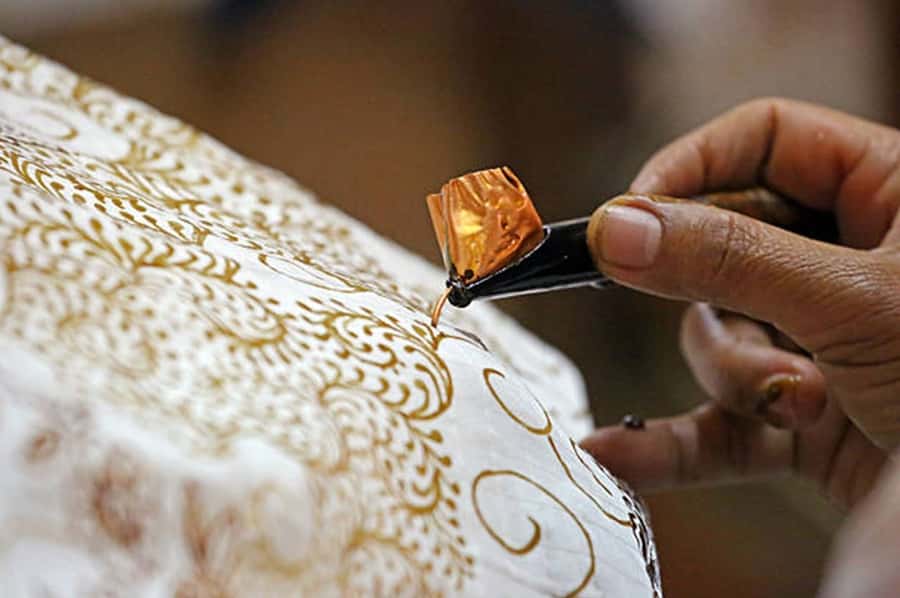
Batik is made by protecting parts of fabric with wax before dye is applied. The wax keeps color from reaching those sections. By repeating the process, an artist can build lines, borders, shapes, and layers of color across the cloth.
You will not become a master batik artist in one morning. You will, however, learn why clean lines take practice and why a small mistake does not ruin the whole piece. That is part of the appeal. The class is less about producing a perfect museum piece and more about learning a traditional technique in a relaxed way.
I find this kind of activity a good change from sightseeing. You are not rushing from one temple to another or trying to remember a guide’s explanation while taking photographs. Your attention settles on the cloth in front of you. Several people describe the process as calming and mindful, which fits the slow, careful work involved.
A few more Bali experiences worth comparing
- Ubud: Balinese Cooking Class at an Organic Farm
★ 5.0 · 1,786 reviews - From Ubud: Authentic Cooking Class in a Local Village
★ 4.9 · 1,325 reviews - Ubud: Handcrafted Silver Jewelry Workshop
★ 4.3 · 1,214 reviews
Arriving at WS Art Studio in Lodtunduh
The meeting point is WS ART STUDIO on Jl. Raya Silungan in Lodtunduh, south of Ubud. This is not a class in the center of Ubud, so allow time and budget for transport. A past booking note places the studio roughly 15 to 30 minutes from central Ubud, depending on the starting point and road conditions.
The studio setting is one of the activity’s strongest features. You work in a family-run art space with rural views and a quieter feel than the main streets. The setting is simple rather than polished like a formal art school, but that is part of its charm.
Animals may be part of the scene. People have enjoyed the company of two dogs called Pull and Bear, as well as a cat named Echa. They are a pleasant bit of company during pauses or drying time, though anyone who dislikes animals should keep this detail in mind.
The location also means you should plan carefully. The meeting point is clearly given, but hotel pickup is not included in the stated package. One practical note from an earlier booking is that the area was not easy to reach with app-based taxi services. Arrange transportation in advance rather than assuming you can order a car after class.
The first lesson: tracing a design and handling wax
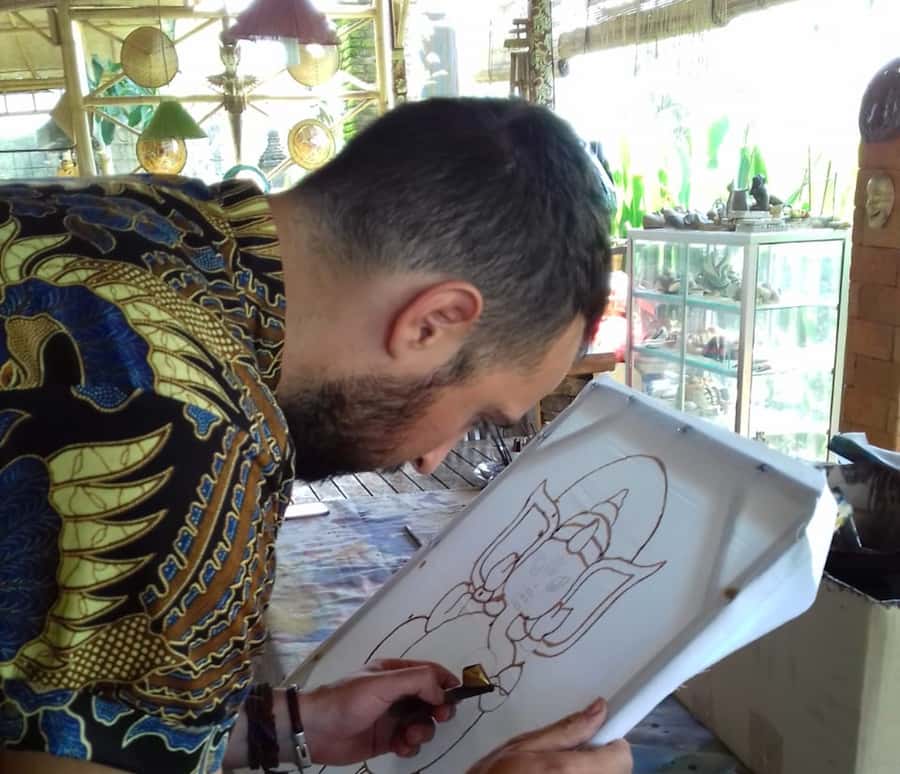
The session begins with an explanation of the batik process and a demonstration of the tools. You receive the fabric, wax, dyes, and other materials needed for the project. The teacher explains how the stages fit together before you begin your own piece.
You can work from a stencil or template. This is the sensible choice if you have little drawing experience or simply want to focus on learning the wax technique. Templates also help you avoid spending half the class wondering what to draw.
If you have a particular idea, you can create your own design. Some participants have written words and personal messages on their cloth, while others have drawn freehand images. The teacher can help with a different design if the provided templates do not suit you.
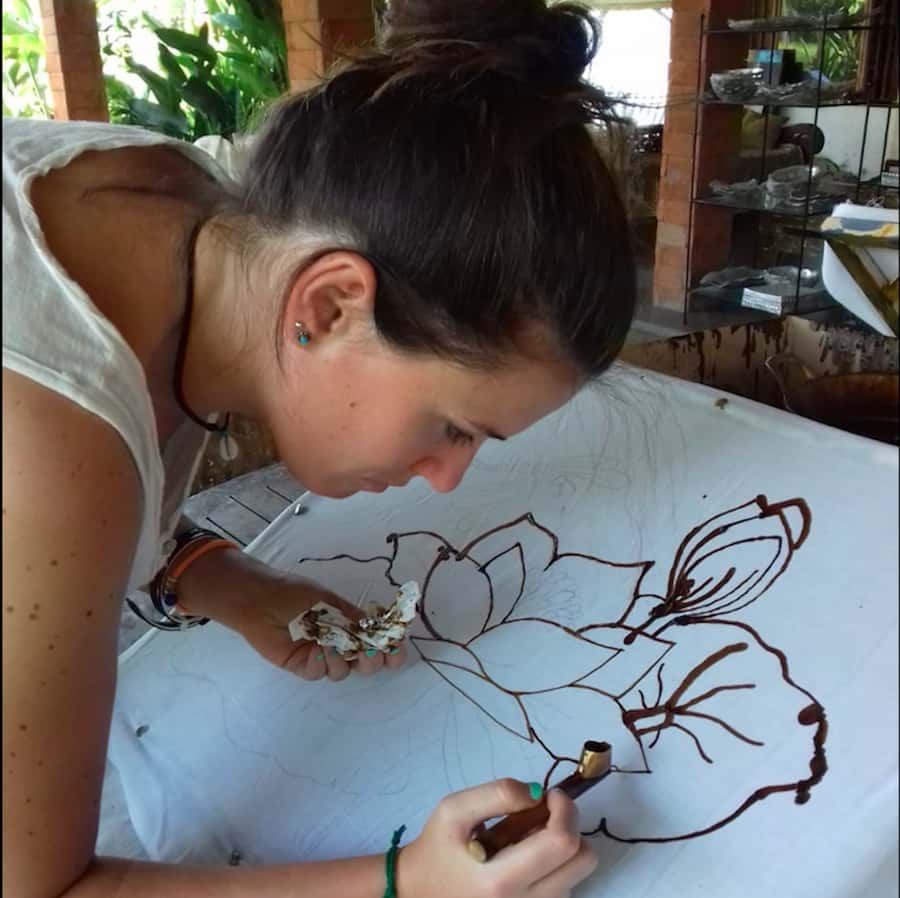
The wax is applied through a small tool or piping method. You use it to trace the lines that should resist the dye. This is the stage where patience matters most. If the wax line is too thin or incomplete, color can bleed into areas you hoped to keep clean.
That is not a reason to avoid the class. It is a reason to keep your first design simple. Straight lines, circles, zigzags, and basic geometric shapes give you a chance to learn how the wax behaves. A complicated freehand image may look appealing at the start but can create extra stress if the table surface is uneven or your hand is still getting used to the tool.
The teacher will guide you, but this is not a class where someone takes over your project. That balance is important. You receive a demonstration and help when needed, then get space to make your own decisions.
Adding color with organic dyes
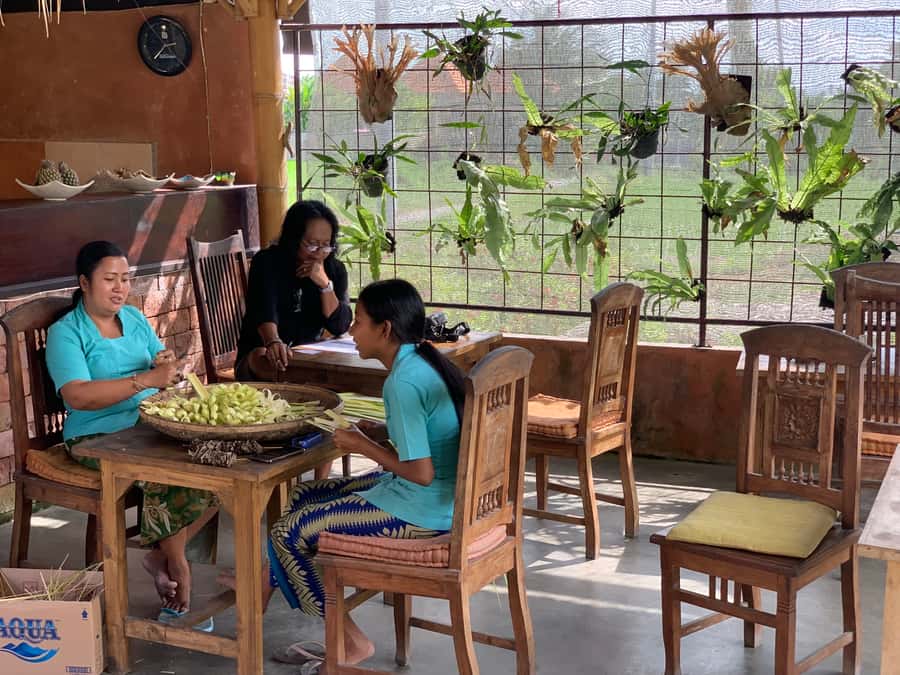
Once the wax is in place, you add color to the fabric. The dyes are described as organic, and the activity focuses on traditional methods rather than quick souvenir production. You work with the available colors to build your image and decide how much of the fabric to cover.
This is the most creative part of the session. A template may give you a starting point, but your color choices make the finished piece your own. Some people prefer a neat, planned design. Others let the colors and small imperfections guide the result.
Pay close attention to the teacher’s instructions before you begin dyeing. The timing can feel fast if you are trying to learn the method and make artistic choices at once. One useful approach is to decide your main colors before the dye is in front of you.
The process also rewards modest expectations. You are making a first attempt, not reproducing the teacher’s work. Wax lines may vary in thickness. Color may spread slightly. These marks often become part of the character of the cloth.
A few people have found that insufficient wax allowed color to bleed. If you are worried about this, ask the instructor to check your lines before you dye. This is especially useful if you choose a freehand pattern instead of a template.
A different pace of day, same stretch of Bali coast:
- Bali: Mount Batur Sunrise Guided Hike and Natural Hot Spring
★ 4.8 · 9,284 reviews - Bali: Full-Day Instagram Highlights Tour
★ 4.8 · 7,817 reviews - Bali: Sunrise Mount Batur Hike with Breakfast
★ 4.8 · 6,973 reviews - Bali/Nusa Penida: East & West Highlights Full-Day Tour
★ 4.7 · 6,263 reviews
Snacks, drying time, and the unhurried pace
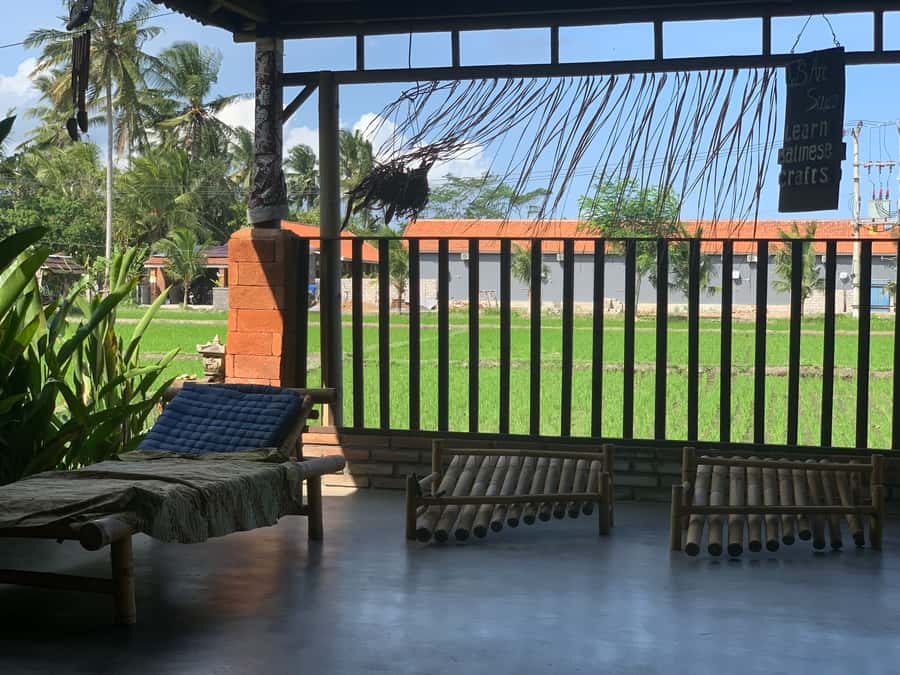
The class includes coffee, tea, and water, along with Balinese fried pineapple and fried banana served with palm sugar. The snacks add a local touch and break up the concentration required for the craft. The banana, in particular, has earned plenty of affection.
There may be pauses while parts of your work dry. Bring a patient frame of mind. Some people use this time to look around the art space, enjoy the animals, or simply sit with their coffee. The venue’s calm atmosphere makes these pauses feel less like wasted time than they might in a crowded classroom.
The schedule is listed as three hours, but the actual class can run longer. Instructors have allowed participants to finish rather than cutting them off at the advertised end. I see this as a real advantage if you are invested in your work, but it matters for planning the rest of your day.
Do not schedule a tight airport transfer, cooking class, or timed tour immediately afterward. Leave a buffer. The extra time is part of the relaxed approach, but it can become inconvenient if your itinerary is packed.
How much personal help can you expect?
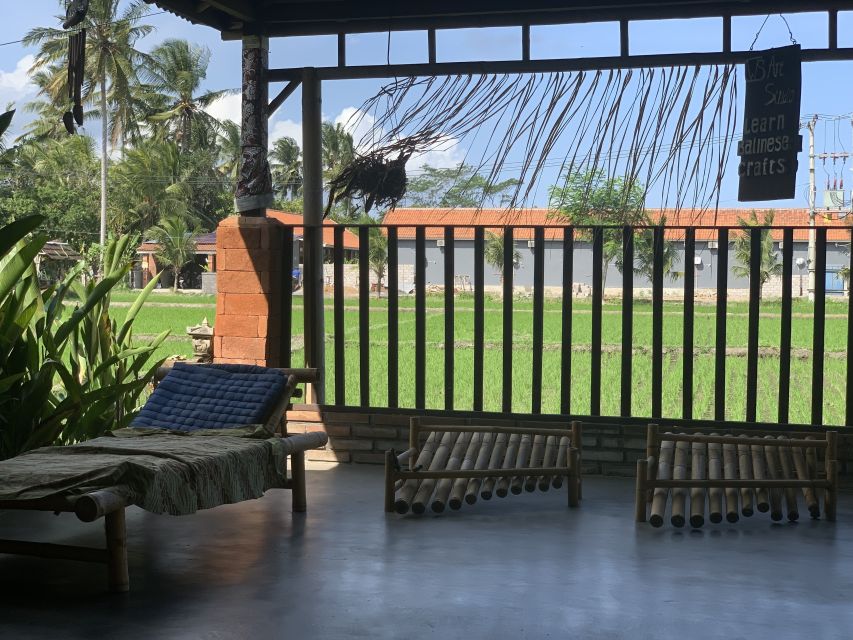
The group limit is eight people, which is small enough for the teacher to move around and offer individual help. The instructors are English-speaking, and the class is designed to explain each stage clearly before you work on it.
Several teachers are named in past experiences, including Wah Agung and Ayu. Both are described as patient and encouraging, and the teaching style appears to favor gentle support rather than constant correction. You should expect help when you ask for it, with enough freedom to make your own choices.
This is a good fit for children and adults. One parent-friendly feature is that the activity does not require previous art training. You can use a template, keep the design basic, and still produce something worth taking home.
At the same time, do not expect a formal art course with a long lecture on Indonesian textile traditions. The explanation is practical and focused on making the piece. If you want detailed background on batik symbols and cultural meanings, read a little before you arrive and bring questions for the teacher.
The activity does include discussion of the ideas behind common batik patterns. That gives the craft more context than a simple paint-and-take-home workshop, even though the main focus remains hands-on work.
What you take home at the end
Your finished batik cloth is the main souvenir. It may be a wall hanging, a decorative textile, or simply a record of your first attempt at the craft. Because you made the design and applied the wax and dye yourself, it has a personal value that a ready-made item cannot match.
The finished work may not be flawless. That is normal. In fact, the small irregularities help show that it was made by you. If you want a cleaner result, use a straightforward pattern, apply the wax slowly, and ask for a quick check before adding dye.
A class certificate is also included. It is a small extra, but useful if you enjoy collecting certificates from practical cultural activities. The more important takeaway is a basic understanding of how much skill goes into professional batik.
You may also gain a better eye for batik in Bali’s shops and galleries. After working with wax yourself, you will notice the care behind the lines and color separation. That makes future shopping more informed, even if you do not buy anything.
Is $23 a good price?
At $23 per person, this is a strong value for a three-hour activity. The price includes all tools and materials, instruction, drinks, local snacks, and a certificate. You also leave with your own artwork.
The value is not just in the supplies. A private attempt to learn batik could involve buying materials, finding a teacher, and figuring out the sequence yourself. Here, the equipment is ready, the process is demonstrated, and someone is available to help when the wax or dye behaves unexpectedly.
Transport is the extra cost to consider. Since the studio is in Lodtunduh rather than central Ubud, your final price will be higher once you add the ride there and back. The activity still compares well with many short craft sessions, particularly because it can run longer than three hours when people need more time.
The best value comes if you actually want to make something. If you would rather watch a professional demonstrate batik and spend the rest of the morning sightseeing, this may feel slow. If you enjoy hands-on work, the price covers a worthwhile block of your Ubud schedule.
Small drawbacks to consider
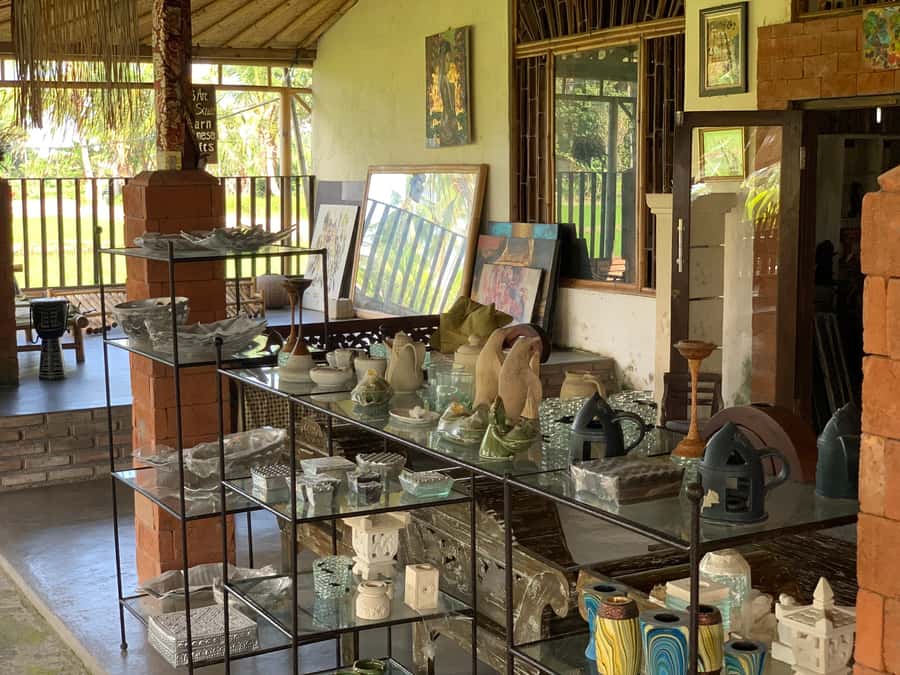
The available designs and colors may feel limited if you arrive with a very specific artistic plan. One practical solution is to bring a rough idea of your design, but keep it simple enough to trace or draw with wax.
The work surface may not be perfectly smooth at every table. This matters most for freehand designs, where bumps can make clean lines harder. Templates reduce the problem, and once the wax is applied, the uneven surface becomes less important.
Guidance is present, but it is not necessarily continuous. Some people appreciate being left alone to find their rhythm. If you want close instruction at every stage, speak up and ask the teacher to check your work.
Finally, the class may take more than the advertised three hours. That is good news for careful artists and less good news for anyone with a rigid schedule. Build in extra time and treat the class as a slow morning rather than a precisely timed appointment.
Who should book this batik class?
I would recommend it to anyone who likes making things, including beginners who describe themselves as lacking artistic ability. The template option and patient instruction make the activity approachable, while the freedom to draw your own idea gives more experienced artists room to experiment.
Families can also consider it. The process is tactile and easy to understand, though younger children may need help with hot wax and careful dye application.
It suits couples, friends, and solo visitors who want a quieter activity. The small group makes it social without forcing you to perform for the room. You can chat, work quietly, or ask the teacher about the craft as you go.
You may want to skip it if your Ubud plans are tightly packed, if you dislike slow manual work, or if you want a polished professional result. Batik rewards care, and the class works best when you give yourself time to enjoy the process.
Booking details worth keeping in mind
The class is offered in English and is wheelchair accessible. Availability varies by starting time, so check the schedule before you plan transport.
You can reserve now and pay later, which helps if your Bali plans are still changing. Free cancellation is available up to 24 hours before the activity for a full refund.
Alcoholic drinks are not included, though they can be purchased. Coffee, tea, water, and the Balinese snacks are included in the stated price.
Should you book the Ubud batik class?
Book it if you want a genuine, practical introduction to a Balinese art form and like the idea of returning home with something you made yourself. The strongest reasons are the calm family-run studio, small group size, patient guidance from teachers such as Wah Agung or Ayu, and the willingness to let you finish without rushing.
Go with a simple design, allow more than three hours, and arrange transport to Lodtunduh in advance. At $23, the class offers more than a souvenir: it gives you a better understanding of the handwork behind batik. For a relaxed morning away from central Ubud, it is an easy recommendation.
FAQ
Where does the batik class take place?
The class meets at WS ART STUDIO, Jl. Raya Silungan, Lodtunduh, Ubud, Bali.
How long does the batik-making class last?
The scheduled duration is three hours. The session may run longer if participants need extra time to complete their pieces.
How much does the experience cost?
The listed price is $23 per person.
Is transport to the studio included?
The stated inclusions do not list transportation. The meeting point is at WS ART STUDIO, so you should arrange your own way there unless your booking specifically provides another option.
Is the class suitable for beginners?
Yes. All tools and materials are provided, and the teacher demonstrates the process. You can use a stencil or template if you do not want to draw a design from scratch.
Can I create my own batik design?
Yes. You can follow a provided design or create your own. The teacher can also help you with a different design.
What is included with the booking?
The booking includes all tools and materials, coffee, tea, water, Balinese fried pineapple, fried banana with palm sugar, and a class certificate.
Is the instruction available in English?
Yes. The instructor language is English.
How many people are in each group?
The class is limited to eight participants.
Can I cancel the booking?
You can cancel up to 24 hours in advance for a full refund. The reserve-now, pay-later option also allows you to hold a place without paying immediately.
Recently added around Bali
- Bali: Private Lempuyang Temple, Water Temple & Rice Terraces★ 5.0 · 3 reviews
- Bali: Mountain Bike Tour and River Rafting with Lunch★ 5.0 · 3 reviews
- Bali: Sidemen Waterfall tour and temple purification★ 5.0 · 3 reviews
- Bali: Padangbai Blue Lagoon Scuba Diving Private Tour★ 5.0 · 3 reviews
- Bali’s Mystical Jungle Trek & Hidden Waterfall Adventure★ 4.3 · 3 reviews
- From Bali: Mount Bromo & Ijen volcanic private tour★ 5.0 · 3 reviews
- Bali: 7 Day Solo Traveler’s Yoga Retreat In Ubud★ 5.0 · 3 reviews
- Bali: Photo Shoot with a Private Vacation Photographer★ 5.0 · 3 reviews
Workshops, compared.


Legian Beach, Bali: Beginner or Intermediate Surf Lessons
Read our review →
Canggu Jewelry Making Class with Creative Studio Vibes
Read our review →
Canggu & Uluwatu Puppy Yoga Class & Refreshing Drinks
Read our review →
Beginner & Intermediate Surf Lesson with Equipment
Read our review →
Browse the lists this tour appears in