
Reviewed · WORKSHOPS
Ubud: Traditional Balinese Painting Class
Balinese traditional painting is less about quick sketching and more about building a detailed two-dimensional world from repeated natural, historical, or religious figures. At WS Art Studio, Pak Sulendra helps you sketch a traditional motif on canvas, then shows you how to fill it with the few natural colors used by generations of Balinese painters.
I like two things here: you make a painting you can take home, and the class stays small, with no more than 10 people. You also get snacks, a welcome drink, and a class certificate without paying extra. The main drawback is time: three hours may feel long if you only want a short creative activity, and Pak Sulendra is known to help closely, so tell him when you want to try a step alone.
In This Review
- Key points at a glance
- What Balinese two-dimensional painting means
- Starting with a sketch at WS Art Studio
- Learning from Pak Sulendra’s close guidance
- Adding color with an old Balinese method
- Why the three-hour schedule matters
- Snacks that make the workshop feel local
- How the price compares with the experience
- Who should book this Ubud art class
- Booking details worth knowing before you go
- Should you book the traditional painting class?
- FAQ
- Where does the Balinese painting class meet?
- How long does the class last?
- How much does the activity cost?
- Is painting experience required?
- Who teaches the class?
- What language is the class taught in?
- How many people can join the class?
- What is included in the price?
- Can I cancel or pay later?
Key points at a glance
- Traditional two-dimensional method: Learn to work with repeated figures and classic Balinese themes rather than simply copying a picture.
- Personal artwork on canvas: Follow a traditional design or bring your own idea for Pak Sulendra to help develop.
- Small English-speaking class: The group is limited to 10 people, allowing for close guidance.
- Materials and refreshments included: Tools, painting supplies, coffee, tea, water, fried pineapple, and fried banana with palm sugar are provided.
- A relaxed activity for all ages: No painting experience is needed, and the studio is wheelchair accessible.
- Flexible booking: You can cancel up to 24 hours before the class for a full refund, or reserve now and pay later.
What Balinese two-dimensional painting means
This class introduces you to a style that treats the canvas as a flat, carefully ordered world. Instead of aiming for realistic depth in the Western sense, traditional Balinese painting often arranges figures, plants, animals, and story elements across the surface.
That approach gives the work its distinctive look. Repeated forms can fill the canvas, while a limited range of natural colors creates a strong visual effect. You are not simply coloring a ready-made souvenir picture. You are learning how a local painting tradition organizes space and meaning.
The themes may be natural, historical, or religious. The activity information does not promise a specific subject for every class, so you should expect guidance toward a traditional motif rather than a fixed painting that everyone must complete.
I like this format because it gives you a practical way to understand Balinese art. You get to see how line, repetition, and color work together, then try those ideas with your own hands. Even if your final painting is not perfect, you will have a better sense of why traditional Balinese pictures look the way they do.
A few more Bali experiences worth comparing
- Ubud: Balinese Cooking Class at an Organic Farm
★ 5.0 · 1,786 reviews - From Ubud: Authentic Cooking Class in a Local Village
★ 4.9 · 1,325 reviews - Ubud: Handcrafted Silver Jewelry Workshop
★ 4.3 · 1,214 reviews
Starting with a sketch at WS Art Studio
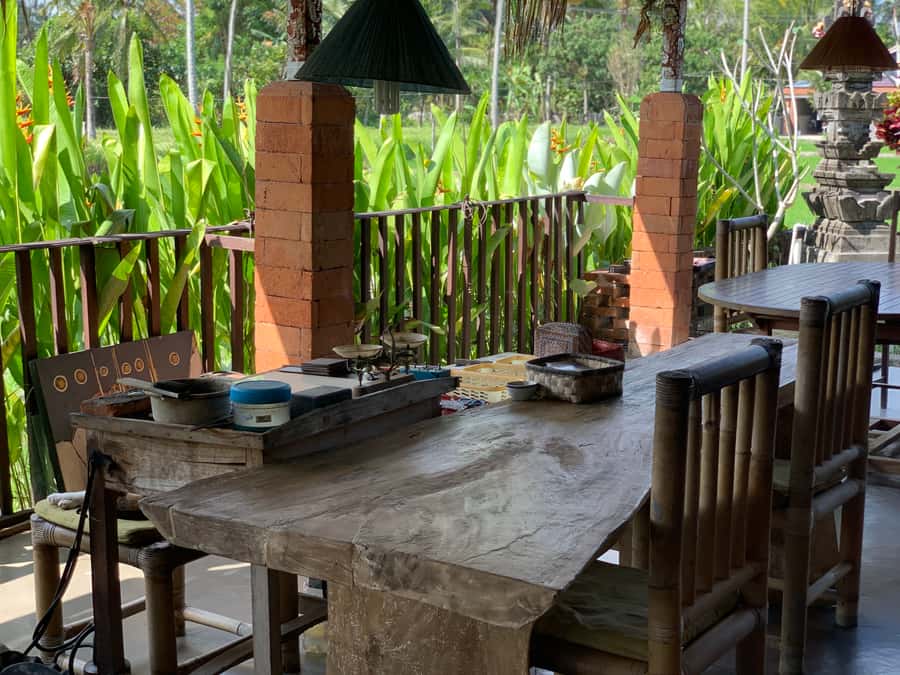
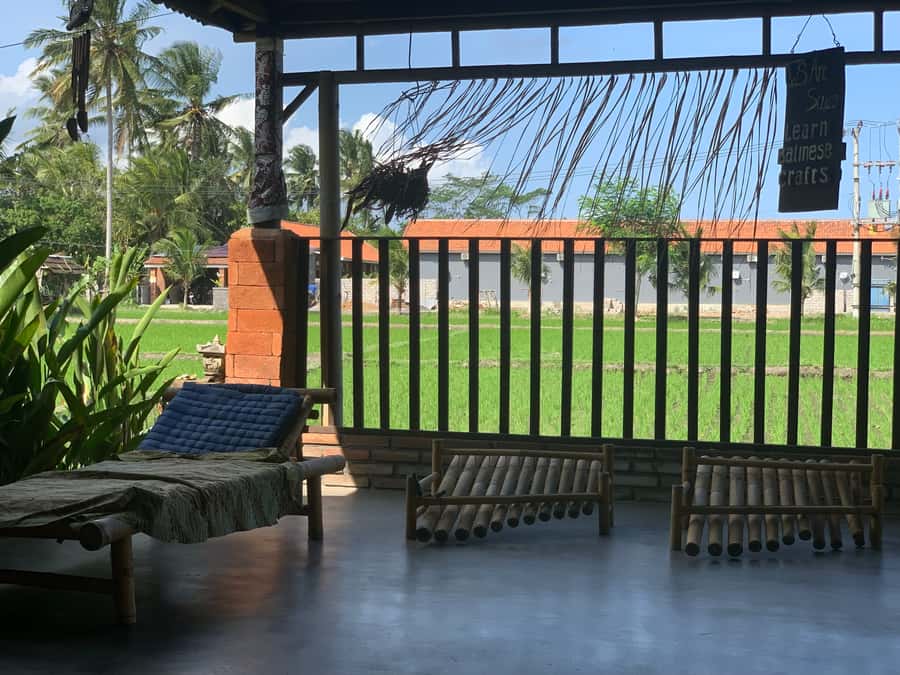
Your class begins at WS Art Studio Balinese Handicrafts. The studio is the meeting point, so plan to arrive there rather than expecting a hotel pickup or a sightseeing stop before the painting begins. No transportation is included in the information provided, so arrange your own way to the studio.
Pak Sulendra helps you draw the first sketch on canvas. You can use a traditional motif suggested by the teacher, or bring an idea of your own. That choice matters. If you already know you want to paint a particular animal, plant, scene, or symbol, bringing a clear idea can make the class feel more personal.
At the same time, you do not need to arrive with an artistic plan. The class is designed for all ages and abilities, and no previous painting experience is required. Pak Sulendra can guide you from the first lines, which makes this a sensible activity for families, couples, and solo visitors who do not usually take art classes.
The early sketch is an important part of the process. It gives the painting its structure before color is added. Take your time here. A rushed outline can make later stages harder, while a careful sketch gives you something solid to build on.
Learning from Pak Sulendra’s close guidance
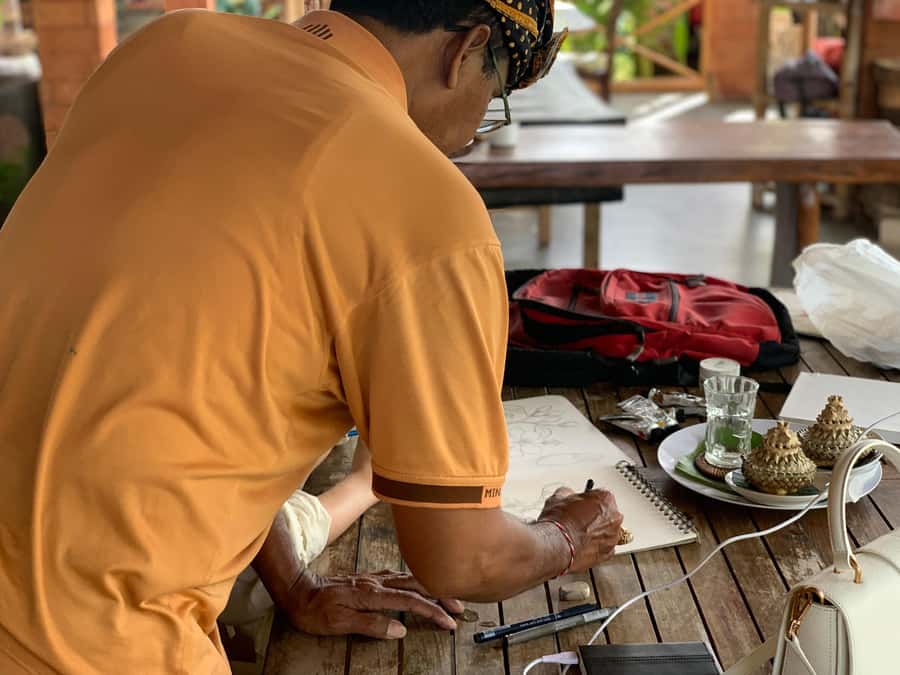
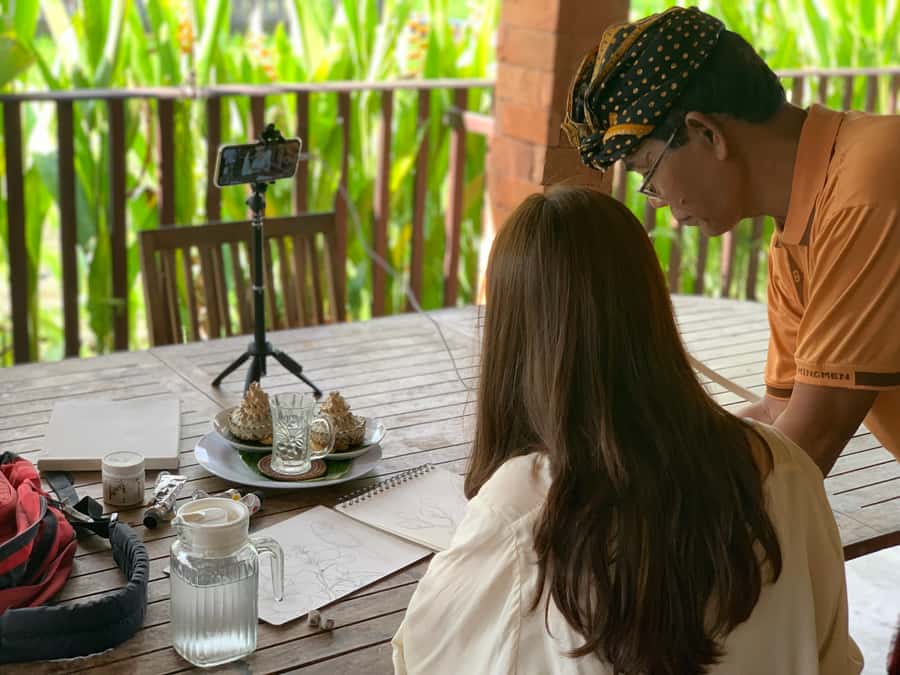
The teacher is not simply present at the front of a room giving a general demonstration. The class description places Pak Sulendra beside you to help throughout the process. That one-to-one attention is one of the strongest reasons to choose this activity over a larger craft workshop.
His teaching style appears to be hands-on and attentive. That is useful when you are unsure how to shape a motif, place a line, or handle the color work. It can also mean that he steps in often. One useful tip is to tell him clearly when you want to attempt a technique yourself before he helps.
That small bit of communication can change the feel of the class. If you want a polished result and welcome close assistance, let him guide you freely. If you want to learn by trial and error, say so early. A good art class should help you make the painting, not make every decision for you.
The class is taught in English. Since the group is capped at 10 people, you should have a reasonable chance to ask questions and receive individual help. The small-group format also keeps the activity more personal than a large demonstration where you only watch from a distance.
One practical concern is that the named painting teacher has occasionally been unavailable because of an important Balinese ceremony. On those occasions, the class has been changed to another workshop, including batik or silver jewelry. Those alternatives may be enjoyable, but they are not the same as traditional painting. If this particular art form is the main reason you are booking, confirm the painting class and teacher close to the date.
Adding color with an old Balinese method
Once the sketch is ready, you begin the color work. The activity describes this as a centuries-old style passed through generations of Balinese painters. You will use the available materials to create a clear, decorative image rather than chase photographic realism.
The limited natural color palette is part of the lesson. Fewer color choices can make you pay closer attention to balance, pattern, and repetition. Instead of relying on endless shades, you learn how a small set of colors can give the image life and order.
The finished effect can be surprisingly strong. One French participant praised the way the traditional techniques were explained and noted the depth created by the colors. That is a useful expectation: the class is not only about producing something to take home, but also about seeing how a restrained palette can create a layered result.
Do not expect to complete a museum-quality Balinese painting in three hours. You are taking an introductory class, and the outcome will depend on your design, pace, and willingness to accept help. The teacher’s demonstration can show you the method, but the final work remains your own attempt.
I would treat the painting as a personal record of your time in Bali, not as a test of artistic skill. The value comes from understanding the process and making choices yourself. A few uneven lines will not spoil that.
A different pace of day, same stretch of Bali coast:
- Bali: Mount Batur Sunrise Guided Hike and Natural Hot Spring
★ 4.8 · 9,284 reviews - Bali: Full-Day Instagram Highlights Tour
★ 4.8 · 7,817 reviews - Bali: Sunrise Mount Batur Hike with Breakfast
★ 4.8 · 6,973 reviews - Bali/Nusa Penida: East & West Highlights Full-Day Tour
★ 4.7 · 6,263 reviews
Why the three-hour schedule matters
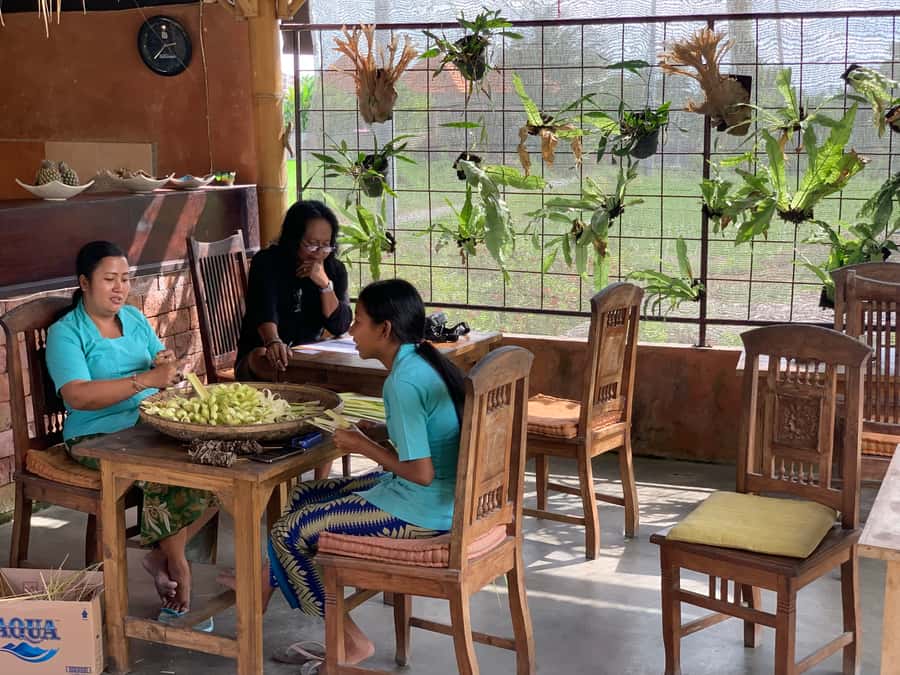
The stated duration is three hours. That gives you enough time to sketch, learn the technique, apply color, and finish without rushing through every stage. It also gives Pak Sulendra room to work with different skill levels in a small group.
Still, three hours is a serious block of holiday time. One participant felt that 1 to 1.5 hours would have been enough. If you want a quick, light activity between sightseeing stops, this may feel too slow. If you like making something carefully and want time for personal guidance, the length makes more sense.
Your own pace will shape the experience. Beginners may appreciate time to ask questions and correct mistakes. Children or anyone with a short attention span may prefer to take breaks mentally, even if the class itself follows a three-hour schedule.
I would book this for a morning or afternoon when you are happy to stay in one place. Do not squeeze it between two fixed appointments. The class works best when you can focus on the painting instead of watching the clock.
Starting times vary, so check the available schedule when booking. The activity does not list a particular start time, and the studio is the meeting point.
Snacks that make the workshop feel local
The included food is simple but memorable: Balinese fried pineapple and fried banana with palm sugar. You also receive a welcome drink of coffee, tea, or water.
These refreshments are not a full meal, so eat beforehand if you need lunch or dinner. Their role is more modest. They give you a short pause during a hands-on activity and add a local touch without turning the class into a food tour.
Alcohol is not included, though alcoholic drinks are available to buy. For most people, that detail will not affect the class. The useful point is that coffee, tea, or water is already covered, so you do not need to budget for a basic drink.
All tools and materials are included as well. You only need to bring a camera if you want photos of the process or your finished piece. The class certificate is another small extra, especially useful if you enjoy collecting proof of the skills you tried during a trip.
How the price compares with the experience
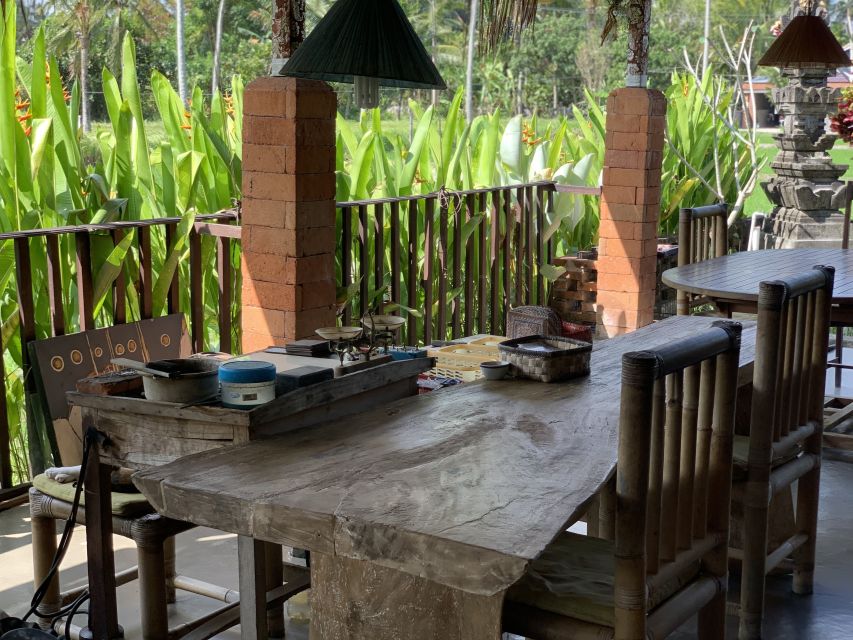
At $24 per person, this is a reasonably priced three-hour activity. The fee covers instruction, tools, materials, refreshments, and a certificate. You are paying for time with a local teacher, not just entry to a studio where you work alone.
The value is strongest if you want a guided cultural activity with a physical result. A painting made during the class gives you something more personal than a shop purchase, and the lesson helps explain the art rather than leaving you with an object detached from its method.
The value is weaker if your only goal is a fast souvenir or a short introduction to painting. A three-hour workshop can take up a useful part of your Ubud schedule, and the finished painting may depend heavily on how much help you accept.
I also suggest thinking about the teacher situation before booking. The price is fair for the advertised painting class, but an unexpected switch to batik or silver jewelry would change what you are buying. The flexibility to switch can save your afternoon, yet it does not remove the disappointment if painting was your main goal.
Who should book this Ubud art class
This workshop fits you well if you enjoy making things, want a quiet break from sightseeing, or prefer meeting a local instructor through a practical activity. It is also a good choice for families because the class welcomes all ages and abilities.
Beginners should feel comfortable booking. You do not need to know how to draw, and the teacher guides the work from the first sketch. More confident painters can bring their own idea and use the traditional method as a framework rather than simply following a preset design.
Couples and friends may enjoy comparing their paintings at the end, while solo visitors get a structured activity and direct contact with a local artist. The group limit of 10 keeps the setting small enough for personal help without making the class a private lesson.
You might choose something else if you dislike long seated activities, want a polished artwork made by a professional, or need a tightly timed itinerary. You should also think twice if you are unwilling to accept a possible change of teacher or class, since ceremonies can affect availability.
Booking details worth knowing before you go
The activity is wheelchair accessible. Instruction is in English, and the group is limited to 10 people.
You can cancel up to 24 hours before the class for a full refund. Reserve now and pay later is also available, which helps if you are still arranging your Ubud schedule.
Bring a camera if you want photos. All painting supplies are provided, and the activity information does not require you to bring any art materials or prior work. If you want to use your own idea, bring the concept with you, but no experience is needed.
The advertised meeting point is WS Art Studio Balinese Handicrafts. Since no hotel transfer is included, check the studio location and allow enough time to reach it.
Should you book the traditional painting class?
Book it if you want to spend three unhurried hours learning a real Balinese painting approach and making your own canvas under close instruction. The small group, included supplies, local snacks, and fair $24 price make it a good-value creative activity in Ubud.
Before paying, be clear about your priorities. Tell Pak Sulendra when you want to work independently, and confirm that the painting class is operating if the art form matters more to you than simply doing a craft workshop. If you can accept that small risk and enjoy patient, hands-on learning, this is a worthwhile way to connect with Balinese art.
FAQ
Where does the Balinese painting class meet?
The meeting point is WS Art Studio Balinese Handicrafts.
How long does the class last?
The class lasts three hours.
How much does the activity cost?
The price is $24 per person.
Is painting experience required?
No. The class is suitable for all ages and abilities, and no previous experience is needed.
Who teaches the class?
The local painting teacher named for the activity is Pak Sulendra.
What language is the class taught in?
The instruction is in English.
How many people can join the class?
It is a small-group activity limited to 10 participants.
What is included in the price?
The price includes all tools and materials, coffee, tea, or water, small snacks of fried pineapple and fried banana with palm sugar, and a class certificate.
Can I cancel or pay later?
You can cancel up to 24 hours in advance for a full refund. Reserve now and pay later is also available.
Recently added around Bali
- Bali: Private Lempuyang Temple, Water Temple & Rice Terraces★ 5.0 · 3 reviews
- Bali: Mountain Bike Tour and River Rafting with Lunch★ 5.0 · 3 reviews
- Bali: Sidemen Waterfall tour and temple purification★ 5.0 · 3 reviews
- Bali: Padangbai Blue Lagoon Scuba Diving Private Tour★ 5.0 · 3 reviews
- Bali’s Mystical Jungle Trek & Hidden Waterfall Adventure★ 4.3 · 3 reviews
- From Bali: Mount Bromo & Ijen volcanic private tour★ 5.0 · 3 reviews
- Bali: 7 Day Solo Traveler’s Yoga Retreat In Ubud★ 5.0 · 3 reviews
- Bali: Photo Shoot with a Private Vacation Photographer★ 5.0 · 3 reviews
Workshops, compared.


Legian Beach, Bali: Beginner or Intermediate Surf Lessons
Read our review →
Canggu Jewelry Making Class with Creative Studio Vibes
Read our review →
Canggu & Uluwatu Puppy Yoga Class & Refreshing Drinks
Read our review →
Beginner & Intermediate Surf Lesson with Equipment
Read our review →
Browse the lists this tour appears in