
Reviewed · WORKSHOPS
Ubud: Virgin Coconut Oil Making Class and Market Tour
The most memorable part of this four-hour Ubud experience is not the curry alone. It is the chance to enter a Balinese family home, work beside local cooks, and see how coconut moves from market staple to oil, cream, and cooking ingredient. Guides such as Iwayan Kar, Noman, and Kal also use the drive to explain Balinese customs, village life, food, and religion.
I like the hands-on cooking and the local market stop. You chop, grind, mix, and cook instead of watching a staged demonstration, then sit down to eat what you made. The family setting adds warmth, and several guides have included extra cultural stops such as a private temple, coffee tasting, or salt-making hut when time allowed.
The main consideration is timing. The oil-making process takes time, and the drive may reach well outside central Ubud. One late pickup cut into a guest’s class, so be ready at the agreed time and allow flexibility for traffic. Narrow paths, hot cooking equipment, and strong coconut and spice aromas also make this a poor fit for anyone with limited mobility or high sensitivity to smells.
In This Review
- Key points at a glance
- From Ubud pickup to a traditional market
- Entering a Balinese family kitchen
- Learning what coconut means in Bali
- Making Balinese green curry from scratch
- Eating together at the family table
- Optional stops and add-ons
- Price, time, and practical value
- Who should book this Ubud cooking class?
- Is the coconut oil and curry class worth booking?
- FAQ
- How long does the experience last?
- Does hotel pickup and drop-off come with the booking?
- What food will I prepare?
- Is the cooking class hands-on?
- Is the class suitable for people with food allergies?
- What should I bring?
- Can I cancel the booking?
Key points at a glance
- Coconut from flesh to oil: Learn how Bali uses different coconuts and help turn coconut into virgin oil.
- Market before the kitchen: Walk through a traditional market, inspect produce, and buy ingredients for the meal.
- Family-home cooking: Prepare green curry in the home of a local cook, often with family members nearby.
- A full meal included: Eat the curry and other food prepared during class, with no MSG and locally sourced ingredients.
- Take Bali home: Keep a recipe book and a bottle of the coconut oil you helped make.
- Flexible extras: Add-ons can include coffee tasting or a traditional massage, depending on the option you choose.
From Ubud pickup to a traditional market
Your day begins with hotel pickup in the Ubud area. This is a useful inclusion, since the class can take you to a village outside central Ubud and the route may be longer than you expect from the map. Pickup and drop-off do not cover hotels outside the Ubud area, so check your accommodation before booking.
The drive is part of the cultural introduction. I like that the guide does not treat the road time as dead time. Iwayan Kar, who receives especially warm praise for his storytelling, has explained Balinese culture, religion, food, and village customs along the way. Other guides, including Kal and Noman, have also used the journey to talk about daily life on the island.
Be ready for a market visit soon after pickup. You walk through stalls of fresh produce, fruit, herbs, spices, and other cooking supplies. This is not simply a quick shopping errand. Your guide explains what you are seeing and helps select the ingredients needed for the class.
The market adds useful context to the cooking lesson. Instead of finding chopped ingredients waiting on a kitchen table, you see the raw products first. You can handle unfamiliar fruits and may get the chance to taste some, including mangosteen and rambutan. Bring cash if you want to buy personal items, since some vendors may not accept cards.
The paths through a traditional market can be narrow or uneven. Comfortable shoes matter here, and punctuality matters too. If you arrive late, you may miss part of the market visit, which is one of the better parts of the morning.
A few more Bali experiences worth comparing
- Seminyak: Balinese Cooking Class & Market Tour
★ 4.9 · 458 reviews - Ubud: Kanto Lampo Waterfall, Art Market, Cretya & Tanah Lot
★ 4.8 · 47 reviews - Denpasar: Museum, Traditional Market and Food Tasting Tour
★ 4.9 · 33 reviews
Entering a Balinese family kitchen
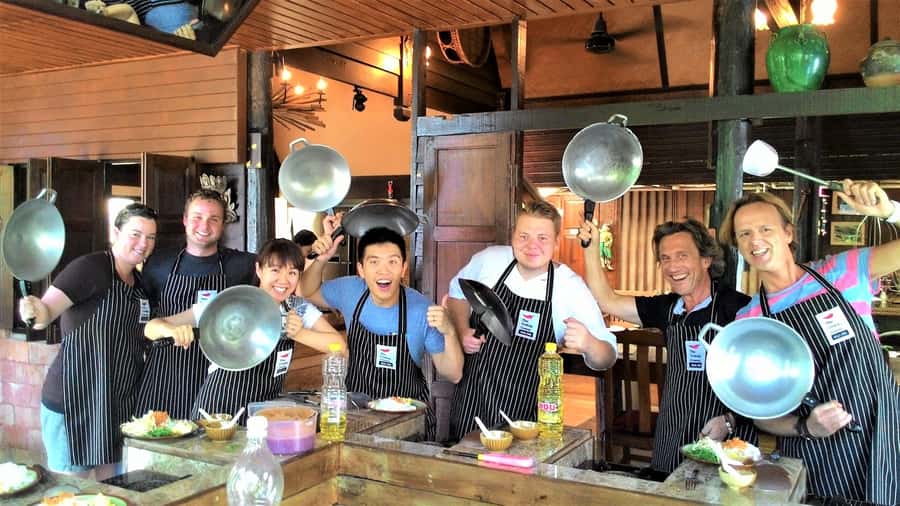
After the market, you continue to the home where the cooking class takes place. The exact host can vary, but the setting is a professional Balinese chef’s home or a family home connected with your guide. Guests have cooked with guides and relatives, including mothers and grandmothers, rather than in a polished cooking school designed only for tourists.
That difference is important. A family kitchen gives you a closer view of how food fits into ordinary Balinese life. One class took place while the family was preparing for a baby’s three-month celebration. Another included a look at the family temple. These details are not guaranteed, but they show why this experience can feel more personal than a standard restaurant lesson.
The atmosphere is relaxed and informal. You are expected to join in, not stand back with a camera. Your guide explains each stage and lets you chop, grind, mix, and cook. If you have never worked with Balinese spice pastes, the process itself becomes part of the lesson.
The homes may not have the space or layout of a purpose-built cooking studio. That can mean less room to move and a more basic working setup. For me, that is a fair trade for seeing cooking in a real household, but you should know that this is not a luxury culinary workshop.
Learning what coconut means in Bali
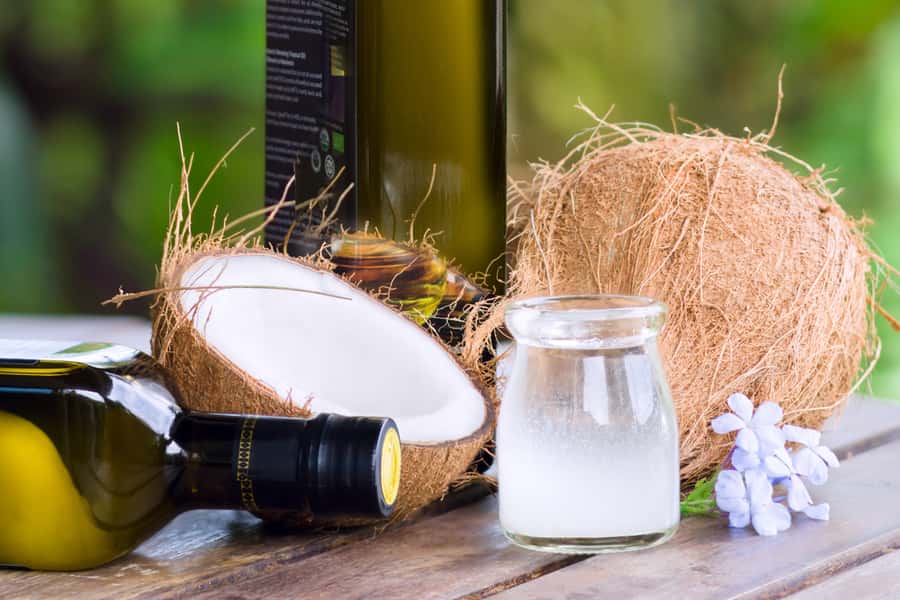
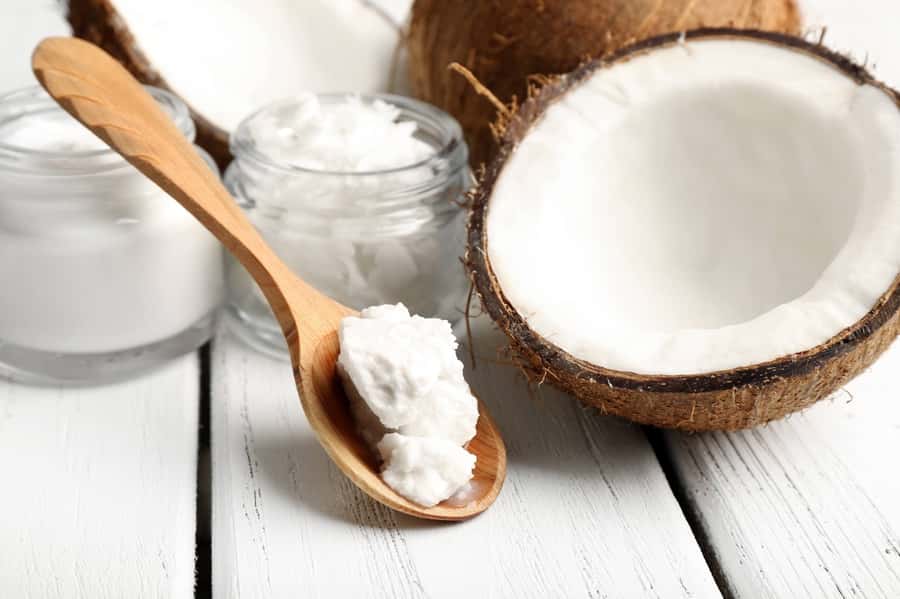
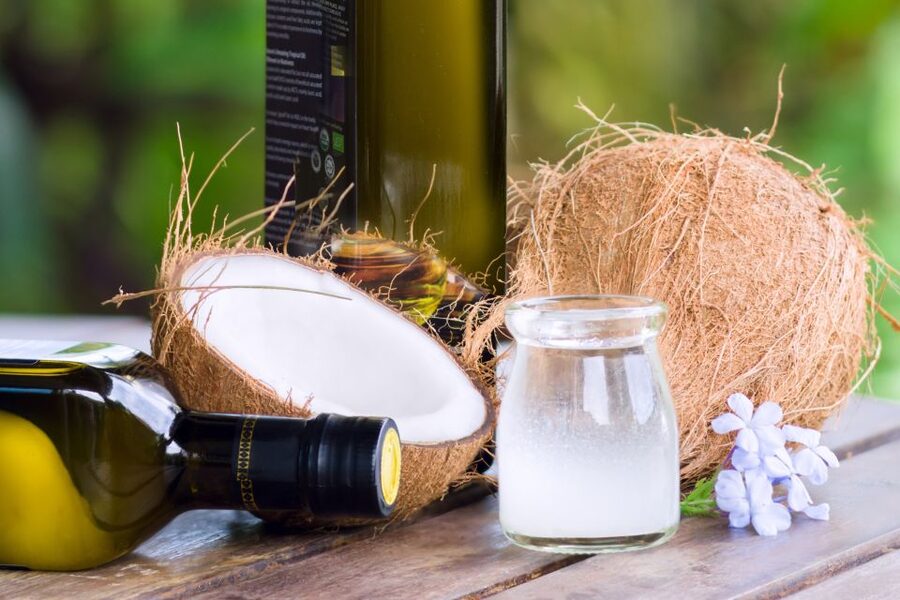
The coconut oil lesson gives the class its unusual focus. You learn about the types of coconut grown in Bali and the many roles coconut plays in local life. It is used in food, oil, cream, and other daily practices, so the lesson is about more than one recipe.
Virgin coconut oil making is a process, not a quick trick. You will hear how the oil is produced and take part in the preparation. Because heating is involved, follow the guide’s instructions closely. Hot oil and kitchen equipment require attention, especially if children are present.
The class may also involve strong aromas from coconut, herbs, and spices. That is part of its appeal for anyone who enjoys food with a clear sense of place. If you are sensitive to powerful smells, though, this may not be comfortable for four hours.
A particularly nice touch is the bottle of coconut oil you can take home. The inclusion turns the lesson into something practical. You leave with a small product that connects you to the work you did, rather than only a memory and a full stomach.
Making Balinese green curry from scratch
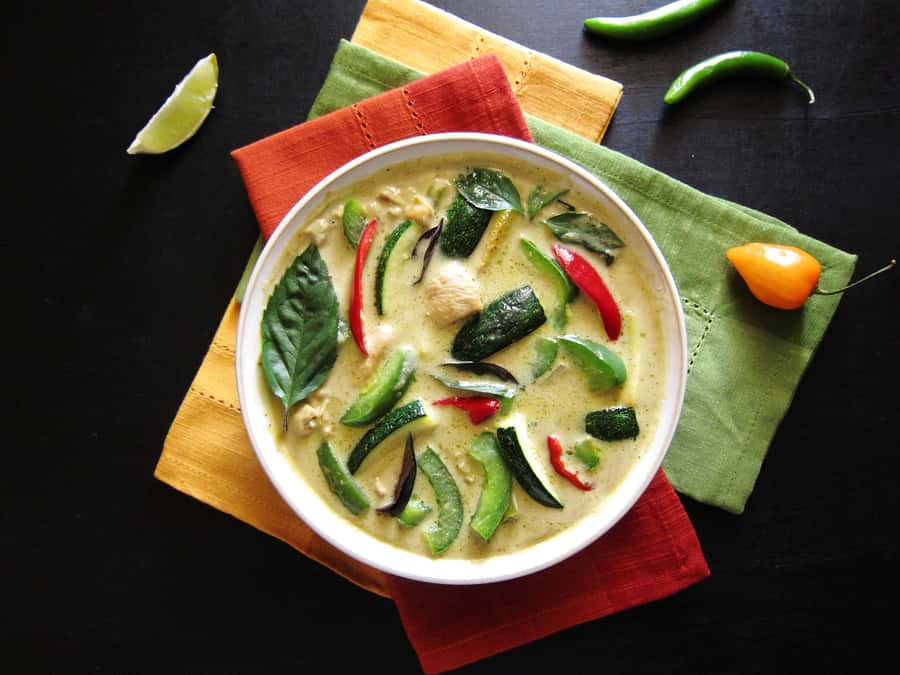
While the coconut oil process continues, you prepare Balinese-style green curry. The guide walks you through the ingredients, herbs, spices, and cooking steps. You learn how the flavors build, rather than simply receiving a finished dish at the end.
The curry is made with natural, locally sourced ingredients and without MSG. That suits anyone who wants to understand the food’s basic flavors. It also makes the lesson useful at home, since the recipe book gives you a way to repeat the dish after Bali.
Expect to work with raw ingredients. Tell the instructor about allergies or dietary restrictions before the class begins. The information provided does not promise a particular menu for every diet, so early notice gives the cooking team a chance to explain what can be adjusted.
The class has included vegetarian lunches, snacks, fruit, desserts, coffee, and tea. The exact meal can vary, but the food you cook is included, and you eat it at the end. Do not arrive after a heavy breakfast or lunch. Four hours of cooking, tasting, and sitting down to a proper meal is much more enjoyable when you have an appetite.
A different pace of day, same stretch of Bali coast:
- Bali: Mount Batur Sunrise Guided Hike and Natural Hot Spring
★ 4.8 · 9,284 reviews - Bali: Full-Day Instagram Highlights Tour
★ 4.8 · 7,817 reviews - Bali: Sunrise Mount Batur Hike with Breakfast
★ 4.8 · 6,973 reviews - Bali/Nusa Penida: East & West Highlights Full-Day Tour
★ 4.7 · 6,263 reviews
Eating together at the family table
The meal is where the separate parts of the experience come together. You have seen the market produce, helped prepare the coconut, cooked the curry, and then tasted the result. Eating with the host family gives the day a social side that a regular cooking class may lack.
I especially like that the food is not treated as a prize handed over by someone else. You have done enough work to understand the dish. Even if your curry is not perfect, you will know more about the ingredients and methods behind it.
Family hospitality is a major part of the experience, but it can also make the schedule less rigid. Conversations, snacks, and extra cultural explanations may stretch the visit. One guest wanted more time and felt that a later pickup reduced the class. If you prefer a tightly timed itinerary, confirm the pickup time and plan the rest of your day with room to spare.
At the same time, this unhurried quality is why the class works well for solo visitors and couples who want contact with local life. Guides have been praised for making solo participants feel safe and comfortable, including solo women. You should still follow normal travel habits, but the family setting is generally welcoming.
Optional stops and add-ons
The core experience includes the market, coconut oil lesson, curry class, meal, recipe book, water, and Ubud hotel transport. Add-ons are separate and depend on the option selected. Possibilities listed for this experience include coffee tasting and a traditional massage.
Extra stops have also included a coffee plantation, where guests tasted different coffees and teas, a salt-making hut, and a local market for wooden furniture. These additions are not part of every booking, so do not reserve the tour expecting all of them. They may be offered when the guide has time or when you choose a relevant add-on.
This flexibility can be a benefit if you enjoy a day that develops naturally. It can be a drawback if you need to reach another appointment. Ask about the selected option and any add-on before you pay, especially if you want the cooking class to remain the main focus.
Price, time, and practical value
At $36 per person, the experience offers good value if you use the cultural and food elements fully. You are paying for four hours, Ubud-area transport, a market visit, instruction, ingredients, a meal, water, a recipe book, and the coconut oil you make. Comparable restaurant cooking classes may offer a more formal kitchen, but this one adds a family setting and a market visit.
The value is strongest for people who want more than a meal. You learn a process, meet local people, and see how ingredients are bought before they reach the cooking pot. The recipe book also gives the experience some use after your holiday.
The duration is listed as four hours, with starting times depending on availability. Traffic and the distance to the village can affect the feel of the schedule. I would avoid booking this on a day when you have a flight, a fixed spa appointment, or another tour immediately afterward.
Free cancellation is available up to 24 hours before the experience, and you can reserve now and pay later. Those terms help if your Ubud plans are still moving, but check the selected booking option carefully when adding extras.
Who should book this Ubud cooking class?
I would choose this for food lovers, curious first-time visitors to Bali, couples, solo adults, and anyone who values direct contact with local families. It is also a good choice if you have already seen Ubud’s temples and rice terraces and want an activity built around food and everyday customs.
The class suits you if you enjoy active participation. You will not simply watch a chef cook. You will handle ingredients and take part in the oil and curry preparation.
It is less suitable for wheelchair users and people with mobility impairments. Market paths may be uneven or narrow, and the family kitchen may not be designed for easy access. Children can attend only with close adult supervision, particularly around hot oil and cooking equipment.
You should also reconsider if you dislike strong smells or cannot eat the ingredients being prepared. Inform the instructor about allergies and dietary needs before the class starts.
Is the coconut oil and curry class worth booking?
Yes, if you want an affordable, personal introduction to Balinese food and home life. The strongest reason to book is the combination of market, family kitchen, coconut oil, and shared meal. Each part supports the next, so the experience feels like a cultural lesson rather than a stand-alone cooking demonstration.
Book it with realistic expectations. The ride may be long, the setting is informal, and the schedule can shift. Wear comfortable shoes, carry cash, bring a camera, and leave your afternoon open.
If you prefer a polished cooking studio, a short transfer, or a strictly timed tour, this may frustrate you. If you want to grind spices, learn why coconut matters, cook green curry with local guidance, and leave with oil you helped make, this is one of the better-value food experiences around Ubud.
FAQ
How long does the experience last?
The activity lasts four hours. Starting times depend on availability, and traffic or pickup delays may affect the schedule.
Does hotel pickup and drop-off come with the booking?
Yes, hotel pickup and drop-off are included for hotels in the Ubud area only.
What food will I prepare?
You will learn to make virgin coconut oil and Balinese-style green curry. The meal you cook is included, and the exact additional dishes or snacks may vary.
Is the cooking class hands-on?
Yes. You should expect to chop, grind, cook, and mix ingredients with step-by-step guidance from the instructor.
Is the class suitable for people with food allergies?
Tell the instructor about allergies or dietary restrictions before the class begins. The class handles raw ingredients, herbs, and spices.
What should I bring?
Bring comfortable shoes for uneven or narrow paths, a camera, and cash for personal purchases at the market.
Can I cancel the booking?
You can cancel up to 24 hours in advance for a full refund. A reserve-now-and-pay-later option is also available.
More Workshops in Bali
- Ubud: Balinese Cooking Class at an Organic Farm
★ 5.0 · 1,786 reviews - From Ubud: Authentic Cooking Class in a Local Village
★ 4.9 · 1,325 reviews - Ubud: Handcrafted Silver Jewelry Workshop
★ 4.3 · 1,214 reviews - Legian Beach, Bali: Beginner or Intermediate Surf Lessons
★ 4.9 · 1,019 reviews
Recently added around Bali
- Bali: Private Lempuyang Temple, Water Temple & Rice Terraces★ 5.0 · 3 reviews
- Bali: Mountain Bike Tour and River Rafting with Lunch★ 5.0 · 3 reviews
- Bali: Sidemen Waterfall tour and temple purification★ 5.0 · 3 reviews
- Bali: Padangbai Blue Lagoon Scuba Diving Private Tour★ 5.0 · 3 reviews
- Bali’s Mystical Jungle Trek & Hidden Waterfall Adventure★ 4.3 · 3 reviews
- From Bali: Mount Bromo & Ijen volcanic private tour★ 5.0 · 3 reviews
- Bali: 7 Day Solo Traveler’s Yoga Retreat In Ubud★ 5.0 · 3 reviews
- Bali: Photo Shoot with a Private Vacation Photographer★ 5.0 · 3 reviews
Workshops, compared.


Legian Beach, Bali: Beginner or Intermediate Surf Lessons
Read our review →
Canggu Jewelry Making Class with Creative Studio Vibes
Read our review →
Canggu & Uluwatu Puppy Yoga Class & Refreshing Drinks
Read our review →
Beginner & Intermediate Surf Lesson with Equipment
Read our review →
Browse the lists this tour appears in