Reviewed · FULL-DAY
Bali Full Day Traditional Village Sightseeing
Bali’s best introduction is not a single temple or viewpoint, but a day that links village life, Hindu ceremony, craft, food, and rice farming. This private tour begins in Seminyak and takes you toward Batuan and Ubud, with a Barong and Kris dance, temple visit, coffee plantation, silver workshop, Monkey Forest, and Tegalalang rice fields.
I like the private car and flexible feel, since you can focus on the view instead of navigating Bali’s traffic. I also like the practical mix of cultural stops and famous sights, especially the chance to eat beside rice fields at Tebesari Restaurant. The main consideration is pace: eight hours is a lot of ground to cover, and lunch, drinks, and any personal purchases are not included.
In This Review
- Key points to know before you book
- Why this route works for a first Bali day
- Starting at Seminyak Village at 8:30
- Barong and Kris dance from 9:30 to 10:30
- Pura Puseh Desa Batuan and Sukawati village life
- Coffee Luwak and traditional herbal coffee
- Silver work and the road into Ubud
- The Sacred Monkey Forest Sanctuary
- Lunch with rice-field views at Tebesari Restaurant
- Tegalalang rice fields and the Bali swing
- Guide style and the private advantage
- Who gets the best value from this $50 tour
- Should you book this Bali village tour?
- FAQ
- Where does the tour start?
- What time does the tour start?
- Where does the tour finish?
- How long does the tour last?
- Is this a private tour?
- Is transportation included?
- Is lunch included?
- Which places are included in the route?
- Can I cancel for a full refund?
Key points to know before you book
- The 9:30 to 10:30 Barong and Kris performance gives the morning a fixed cultural anchor.
- Pura Puseh Desa Batuan offers a look at a Balinese village temple and the surrounding Sukawati area.
- The private vehicle carries up to five people, making the $50 group price particularly attractive for a small party.
- Ubud’s main stops are packed into one afternoon, including the Monkey Forest, silver work, lunch, Tegalalang, and a swing.
- Wayan, Nuah, and Tom are associated with the guiding service, with past guests placing strong emphasis on friendliness, patience, communication, and local insight.
- Pickup and return are included, but the listed meeting point is Seminyak Village and lunch is paid separately.
Why this route works for a first Bali day
This is a useful orientation tour because it shows several sides of Bali without asking you to plan a complicated route yourself. You begin with traditional performance and temple culture, then move through local coffee production and metalwork before reaching Ubud’s forest and rice terraces.
I like that the day is not limited to postcard scenery. The Barong dance and temple visit give you a cultural frame for the landscape, while the silver factory and coffee stop show how local products become part of Bali’s visitor economy. Later, the rice fields provide the big scenic payoff.
The private format matters in Bali. Roads can be slow, and having an air-conditioned vehicle means you do not need to worry about driving, parking, or finding each stop. Your group alone participates, so you can ask questions and discuss changes with the guide more easily than you could on a large coach.
Still, this is a highlights day rather than a slow village walk. The schedule includes many stops, and some are commercial attractions. If you want long meals, quiet temple time, or hours spent wandering one neighborhood, this tour may feel too busy.
A few more Seminyak experiences worth comparing
- Bali: Full-Day Instagram Highlights Tour
★ 4.8 · 7,817 reviews - Bali/Nusa Penida: East & West Highlights Full-Day Tour
★ 4.7 · 6,263 reviews - Bali Full-Day Traditional Village Sightseeing Trip All Inclusive
★ 5.0 · 3,069 reviews
Starting at Seminyak Village at 8:30
The advertised meeting point is Seminyak Village, at Jalan Kayu Jati No. 8. Pickup is offered, and the activity ends back at the meeting point. The stated start time is 8:30 in the morning, which is important because the Barong and Kris performance is scheduled for 9:30 to 10:30.
That timing gives the morning a clear purpose. You are not simply being driven inland with no sense of order. The early start is designed to reach the first performance window, though you should confirm the exact pickup arrangement and timing when booking.
The air-conditioned vehicle is included, and the tour is private for up to five people. For a couple, family, or group of friends, the $50 total price is strong value on paper. Split five ways, the transport and guiding cost is only $10 per person before lunch and other expenses. For one or two people, the value is less dramatic, but private transport still saves you the work of arranging several separate stops.
Bali traffic can affect any full-day road tour. The listed duration is approximately eight hours, not a promise that every stop will receive equal time. Keep some flexibility in your expectations, especially if your group wants to linger at the temple, eat slowly, or spend extra time at the rice fields.
Barong and Kris dance from 9:30 to 10:30
The first major stop is a one-hour Barong and Kris dance performance. The Barong is a traditional Balinese character associated with protection, while the Kris refers to the ceremonial dagger and the dramatic dance tradition built around it.
The performance gives you more than a colorful stage show. It introduces the visual language of Balinese ceremony, with movement, music, costumes, and a story that can feel unfamiliar if you have just arrived on the island. The one-hour length is long enough to give the performance room to develop without taking up the entire morning.
Because the show has a stated start and finish, this is the least flexible part of the day. If you are delayed at pickup, the rest of the route may need adjustment. Ask the operator to confirm the performance schedule before departure, particularly if you are arranging the tour around another booking.
This stop will suit you if you want an accessible introduction to Balinese performing arts. It may be less appealing if you prefer spontaneous street life over scheduled entertainment. Either way, it is a useful cultural starting point for the day.
Pura Puseh Desa Batuan and Sukawati village life
After the dance, the route continues to Pura Puseh Desa Batuan in Batuan village, in the Sukawati area. A village temple is a different experience from simply viewing a famous monument from the outside. It connects religious buildings with the community that uses them.
You can expect carved architectural details and a setting shaped by local Hindu practice. The value here is context. After watching a performance based on Balinese beliefs and symbols, you see the kind of sacred place that gives those traditions a home.
The admission listing says entry is free. You should still dress respectfully for a temple visit and follow any instructions given at the site. The tour details do not specify clothing rental, donation requirements, or exact time at the temple, so do not assume every possible cost is covered.
I would pay attention to the guide at this stop. The service is associated with guides named Wayan, Nuah, and Tom, and the strongest descriptions of their work focus on local perspective, clear English, patience, and a willingness to explain Bali’s culture. Guide assignment is not guaranteed, but the private format gives you a good chance to ask about what you are seeing rather than simply taking photographs.
A different pace of day, same stretch of Bali coast:
- Bali: Mount Batur Sunrise Guided Hike and Natural Hot Spring
★ 4.8 · 9,284 reviews - Bali: Sunrise Mount Batur Hike with Breakfast
★ 4.8 · 6,973 reviews - ️Nusa Penida by Private Boat – Snorkeling 4 spots, Swim with Mantas + Land Tour
★ 5.0 · 6,424 reviews - Bali: Uluwatu Kecak and Fire Dance Show Entry Ticket
★ 4.2 · 5,189 reviews
Coffee Luwak and traditional herbal coffee
The next stop is a Luwak coffee plantation and traditional herbal coffee site. This adds a food and farming angle to the day, although you should remember that plantation visits can also include opportunities to buy coffee and other products.
Luwak coffee is made from beans that have passed through the digestive system of the Asian palm civet before being cleaned and processed. It is one of Bali’s best-known specialty products, but production standards vary widely. If animal welfare matters to you, ask questions about how the coffee is sourced and whether civets are kept in cages. The tour information does not state the plantation’s animal-care practices, so make your own judgment on the spot.
The herbal coffee element may appeal if you want to sample local drinks beyond the standard café menu. There is no admission charge listed for the stop. Purchases, however, are not included in the tour price, so treat tastings and shop items as optional extras.
This is a short, practical stop rather than the central reason to book the tour. It works well between the temple and Ubud, but people who dislike commercial visits may find it less appealing than a longer village walk.
Silver work and the road into Ubud
In Ubud, you visit a silver factory. The stop offers a look at the making and selling of Balinese silver items, from decorative work to jewelry. The details provided do not state how long the visit lasts or whether there is a demonstration, so ask your guide what to expect before you arrive.
A factory visit can be worthwhile when you want to understand the labor behind the objects sold in Bali’s markets. It also gives you a chance to buy a keepsake with a clear connection to local craft. You are not required to purchase anything, and you should feel free to browse without treating the shopping stop as an obligation.
This is another point where the private format helps. If you are interested in craftsmanship, you can spend more time asking questions. If shopping is not your priority, you can tell the guide and keep the visit brief, subject to the day’s timing.
The service’s past guests placed particular emphasis on guides who were accommodating and willing to offer alternatives. That is useful here, since a private tour should feel more adaptable than a fixed bus schedule.
The Sacred Monkey Forest Sanctuary
The Sacred Monkey Forest Sanctuary is the most famous Ubud stop on this route. It combines forest paths, temple structures, and free-ranging monkeys in a central Ubud setting.
The monkeys are the main attraction, but you should treat this as a wildlife setting rather than a petting area. Keep food and loose belongings secure, follow staff instructions, and do not try to touch or tease the animals. The supplied details do not specify the current entrance arrangements, so confirm whether admission is covered when you book. The tour description lists admission as free, but that may refer to the overall stated inclusions rather than every individual attraction.
The forest can provide a welcome change from the road and commercial stops. You get shade, greenery, and a chance to see a side of Ubud that is different from galleries and cafés. It can also be busy, and the monkeys can be unpredictable, so this is not the place to relax your attention.
Families may enjoy the setting, but adults should supervise children closely. Anyone uneasy around monkeys may prefer to spend less time here and more time at the rice fields.
Lunch with rice-field views at Tebesari Restaurant
Lunch is planned at Tebesari Restaurant, with a rice-field view. This is one of the day’s most useful pauses because it puts the scenery beside a proper meal rather than asking you to eat quickly between roadside stops.
Lunch is not included in the $50 price. You will need to pay for your own food and drinks, and the menu or meal cost is not provided. That makes it hard to set an exact daily budget, so bring a payment method that works locally and allow extra money for the meal.
The setting is likely to be part of the appeal more than the restaurant alone. Rice fields are not just a pretty background in Bali. They reflect a farming system tied to irrigation, village cooperation, and daily work. A view from a restaurant gives you a chance to appreciate the pattern from above without pretending you are visiting an untouched rural area.
I would use lunch to discuss the afternoon pace with your guide. The final stops can be photo-heavy, and you may want to choose between more time at Tegalalang and more time at the swing.
Tegalalang rice fields and the Bali swing
Tegalalang rice field is the scenic finale. Its terraces are among the most recognizable views near Ubud, with layered fields cut into the hillsides. The attraction is the shape of the land, the changing greens, and the way farming has adapted to steep ground.
The route also includes a Bali swing above the rice-field view. Swings have become one of Bali’s signature photo stops, and this one is aimed at that experience. The description lists admission as free, but it does not state whether a swing fee, photo package, or other local charge applies. Confirm this before you take part.
The swing may be the highlight for you if you want a dramatic photograph. It may feel less important if you prefer walking, farming views, or quiet observation. Do not let the photo stop crowd out the rice terraces themselves. Ask for time to look around, not only time to sit in the swing.
Tegalalang is also where the packed schedule may become most noticeable. You have already covered a temple, performance, plantation, craft stop, forest, and lunch. If traffic has slowed the day, the rice fields and swing may receive less time than you hoped.
Guide style and the private advantage
The people behind the service are repeatedly described as friendly, positive, patient, and helpful. Wayan is named often, while Nuah and Tom are also associated with the company. One account also mentions Bobo as a fellow driver. These names suggest a small local operation rather than a large international tour desk, but your assigned guide may vary.
The most useful quality for this route is not a memorized speech. It is the ability to explain what you are seeing and help shape the day around your group. Past praise centers on local knowledge, easy communication, a clean and comfortable car, and a willingness to suggest places to eat or alternate stops.
You should still state your priorities at the start. Tell the guide if you care most about temples, food, shopping, photography, or local culture. A private tour works best when you participate in the planning rather than waiting for every detail to be decided for you.
The vehicle is air-conditioned, which is a real comfort in Bali’s heat. The tour includes transport, but it does not list Wi-Fi, bottled water, entrance fees beyond the stated free admissions, or meals. Check those points before departure so the day feels clear from the beginning.
Who gets the best value from this $50 tour
I see the strongest value for a small group staying in Seminyak that wants a simple first look at inland Bali. Five people can share the quoted group price, making the cost unusually low for eight hours of private transport and a driver-guide service.
It also suits you if you want:
- A private day rather than a shared coach
- A broad first look at Bali’s culture and scenery
- Hotel pickup and return support
- A guide who can explain local customs and suggest food stops
- A mix of planned sights and some room for discussion
- An easy way to reach Ubud without driving yourself
It is less suitable if you want a specialist temple tour, a quiet photography day, or a carefully paced food experience. The route includes commercial stops, a popular monkey sanctuary, and a swing attraction, so it is designed for variety rather than depth.
Free cancellation is available if you cancel at least 24 hours before the local start time. Changes made inside that window are not accepted, and poor weather may lead to a new date or a full refund.
Should you book this Bali village tour?
Book it if you want one efficient day that connects a traditional performance, village temple, coffee, craft, Ubud, rice fields, and a private car. The $50 group rate is especially appealing for up to five people, and the service’s named guides, particularly Wayan, Nuah, and Tom, are associated with warm, flexible guiding.
Skip it if you dislike shopping-oriented stops or want to spend most of the day in one place. Before paying, confirm the pickup details, the exact Barong performance schedule, which admissions are included, and the likely lunch and swing costs.
For a first Bali visit from Seminyak, I would consider this a sensible, good-value overview. Just keep your expectations practical: it is a full highlights loop, not a slow retreat into village life.
FAQ
Where does the tour start?
The stated meeting point is Seminyak Village, Jalan Kayu Jati No. 8, Seminyak, Kuta, Bali 80361.
What time does the tour start?
The listed start time is 8:30 am.
Where does the tour finish?
The activity ends back at the meeting point.
How long does the tour last?
The tour lasts approximately eight hours.
Is this a private tour?
Yes. Only your group participates, and the vehicle can accommodate a group of up to five people according to the listed price.
Is transportation included?
Yes. An air-conditioned vehicle is included, and pickup is offered.
Is lunch included?
No. Lunch is not included. The planned lunch stop is Tebesari Restaurant, which has a rice-field view.
Which places are included in the route?
The route includes Pura Puseh Desa Batuan, the Barong and Kris dance, a Luwak coffee and traditional herbal coffee plantation, a silver factory, the Sacred Monkey Forest Sanctuary in Ubud, Tebesari Restaurant, Tegalalang rice field, and a Bali swing.
Can I cancel for a full refund?
Yes, if you cancel at least 24 hours before the experience start time. Cancellations made less than 24 hours in advance are not refunded, and poor weather may result in a different date or a full refund.
Recently added around Seminyak
- Bali: Denpasar Market Food Tour with 7 Tastings Must-Try★ 3.9 · 3 reviews
- Gong Sound Healing on Nusa Lembongan, Bali★ 5.0 · 3 reviews
- Ubud: Healing & Purification with Shaman at Hidden Temple★ 3.3 · 3 reviews
- Bali: Customized Uluwatu Tour Including Transfer Hotel★ 3.9 · 3 reviews
- Private Tour: Half Day Tanah Lot Sunset Tours★ 5.0 · 3 reviews
- Bali: Blue Lagoon Snorkeling Tour with Bali Quad Bike★ 3.4 · 3 reviews
- Royal Orchid Spa 90 Minutes Relaxing Massage.★ 4.5 · 3 reviews
- Full-Day Customized Amazing Private Tours in Bali★ 5.0 · 3 reviews
Full-Day, compared.

Bali Full-Day Traditional Village Sightseeing Trip All Inclusive
Read our review →
Nusa Penida All-Inclusive Full-Day Tour with Transfers
Read our review →
Full-Day Nusa Penida Highlights Tour with Transfer
Read our review →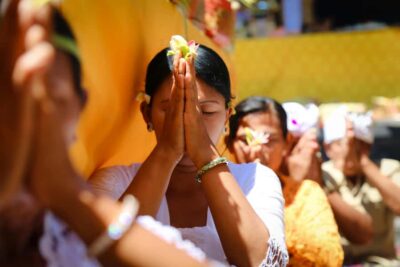
Full-Day Spiritual Cleansing and Shamanic Healing Tour
Read our review →
Tanah Lot UNESCO World Heritage Sites Full-Day Tour
Read our review →