
Reviewed · WORKSHOPS
Bali Leather Craft Workshop – 6 hours ( canggu / seminyak)
The best part of this six-hour Bali workshop is that you do not just watch a craftsperson work. You make something from raw leather yourself, then take it home. Abenk and Opik guide you through cutting, dyeing, hand-stitching, edge polishing, and adding the final snaps or buttons.
I like the quiet rice-field setting, which gives the day a calm break from the traffic and beach crowds around Seminyak and Canggu. I also like the freedom to customize your item, from leather texture and color to thread and finishing details.
The main caution is practical: six hours in Bali heat can feel long, and lunch is not clearly built into the experience. Bring food or plan for a break. The workshop entrance can also be hard to spot, so allow extra time to find Kaula Bali.
In This Review
- Key points to know before booking
- Making something real in six hours
- A peaceful setting for careful work
- Choosing your leather project
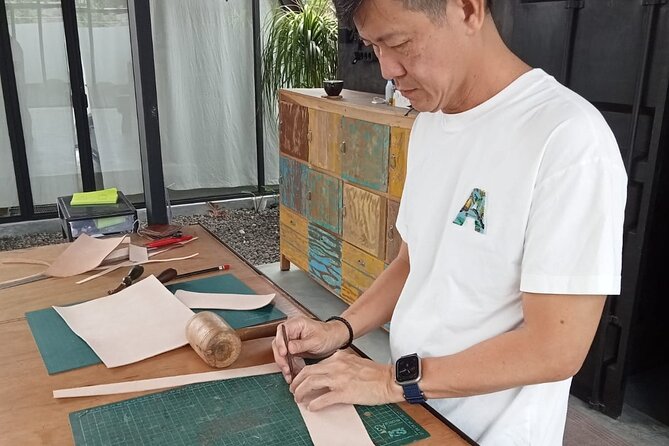
- Cutting the pattern and shaping the piece
- Dyeing leather and choosing the finish
- Preparing, punching, and hand-stitching
- Polishing edges and adding the final details
- The people who make the class work
- Is $46 a good value?
- Heat, lunch, and finding the studio
- Who should book this workshop?
- Should you book the Bali leather workshop?
- FAQ
- Where does the Bali leather craft workshop take place?
- What time does the workshop start?
- How long does the activity last?
- Where does the workshop finish?
- What can I make during the workshop?
- Do I make the leather item myself?
- Can I customize my leather item?
- Is the workshop private?
- Can I cancel for a full refund?
Key points to know before booking
- You make the item yourself: The process runs from pattern cutting to final hardware, with hands-on guidance throughout.
- A quiet studio near the rice fields: The setting is peaceful and suited to careful, focused work.
- Abenk and Opik teach patiently: The instruction suits beginners, teenagers, and people with different skill levels.
- You can personalize the result: Choose from different leather textures, dyes, thread colors, and finishing touches.
- The workshop is private: Only your own group takes part, rather than joining a large class.
- Plan for heat and lunch: The session lasts about six hours, and one participant specifically found the day very hot.
Making something real in six hours
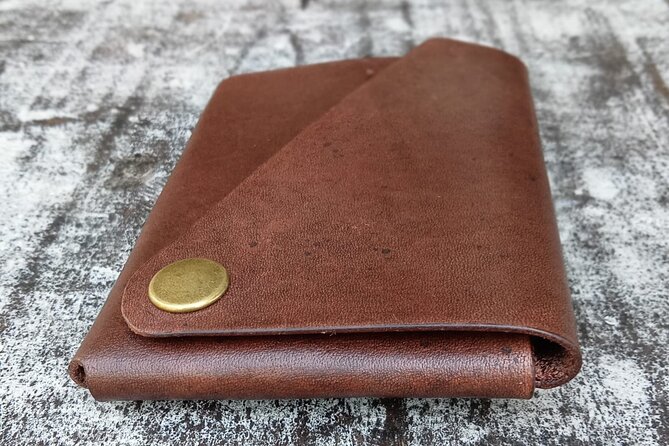
Many Bali activities give you photographs or a temporary thrill. This one gives you a useful object that carries the marks of your own work. You may leave with a card wallet, purse, belt, jewelry set, or another small leather item, depending on what you choose and complete.
That difference matters. You are not simply buying a Bali-made souvenir. You are learning how the pieces fit together, making decisions about color and design, and putting in the patient work of sewing leather by hand.
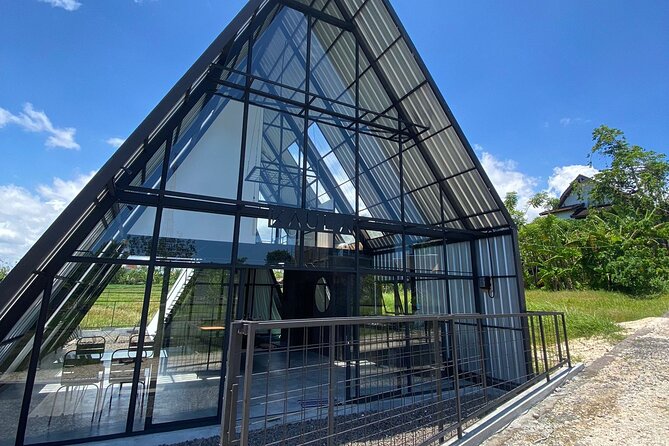
The workshop begins at 10:00 am at Kaula Bali Leather Workshop in Kerobokan Kaja, north of Seminyak. It is described as a Seminyak experience, but the meeting point is in the wider Kuta Utara area. Check your route carefully if you are coming from central Seminyak, Canggu, or farther away.
The activity returns to the same meeting point. A mobile ticket is accepted, and the location is near public transportation. Since the studio has limited street signage, save the address before you leave and look for Kaula Bali rather than expecting a large, obvious entrance.
A few more Seminyak experiences worth comparing
- Ubud: Balinese Cooking Class at an Organic Farm
★ 5.0 · 1,786 reviews - From Ubud: Authentic Cooking Class in a Local Village
★ 4.9 · 1,325 reviews - Ubud: Handcrafted Silver Jewelry Workshop
★ 4.3 · 1,214 reviews
A peaceful setting for careful work
The workshop takes place beside Bali rice fields, in a home and studio setting described as beautiful and quiet. That environment is a large part of the appeal. Leather work needs attention, especially when you are cutting a pattern or lining up holes for stitching. A calm room helps you slow down.
You also get a useful change of pace from the noise around Seminyak. This is not a sightseeing day with constant movement. You sit, handle tools and materials, listen to instructions, and gradually see your project take shape.
The peaceful setting does not mean the day is effortless. Bali can be hot, and the work may require concentration for several hours. Wear comfortable clothing and expect a hands-on session rather than a short demonstration followed by free time.
The setting is especially appealing if you want a creative day with a friend, partner, or older child. One parent and teenage son found it enjoyable, and the private format lets your group work at a shared pace.
Choosing your leather project
Early in the session, you decide what you want to make. Suggested items include a wallet, purse, belt, or jewelry set. Specific projects may depend on the workshop’s available patterns and materials, so it is sensible to confirm your preferred item when booking or before the class begins.
A smaller piece, such as a card wallet, is a good choice if you want a manageable first project. You can still experience the complete process, including dyeing and sewing, without taking on the larger surface area of a bag.
A purse or bag gives you more room for design choices and produces a more substantial souvenir. It also takes more work. Two people have completed bags during the session, but your final result will depend on the project, your pace, and how much detail you add.
The appealing part is the personal choice. You may select leather texture, dye color, thread color, and additional fittings. That makes the finished piece feel less like a standard class sample and more like an item chosen for your own taste.
Cutting the pattern and shaping the piece
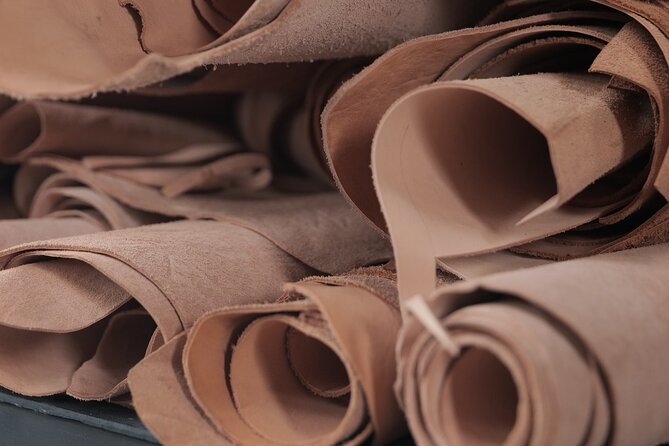
The first technical step is cutting the pattern to the required size and shape. This is where careful measuring matters. A clean cut affects every later stage, including how the pieces align and how neat the final edges look.
You receive guidance rather than being left alone with a sheet of leather. That is important for beginners, since leather does not behave exactly like fabric or paper. A rushed cut cannot easily be repaired, so listen closely before using the tools.
The class is designed to take you through the complete process. You do not need to arrive with leather-working experience, and the instruction can be adjusted to your skill level. Abenk is described as encouraging and patient, while Opik also helps demonstrate the work.
This stage may be less exciting than choosing colors or attaching hardware, but it is where your item begins to have its final form. I would treat the cutting portion as a chance to learn accuracy, not as a task to hurry through.
A different pace of day, same stretch of Bali coast:
- Bali: Mount Batur Sunrise Guided Hike and Natural Hot Spring
★ 4.8 · 9,284 reviews - Bali: Full-Day Instagram Highlights Tour
★ 4.8 · 7,817 reviews - Bali: Sunrise Mount Batur Hike with Breakfast
★ 4.8 · 6,973 reviews - ️Nusa Penida by Private Boat – Snorkeling 4 spots, Swim with Mantas + Land Tour
★ 5.0 · 6,424 reviews
Dyeing leather and choosing the finish
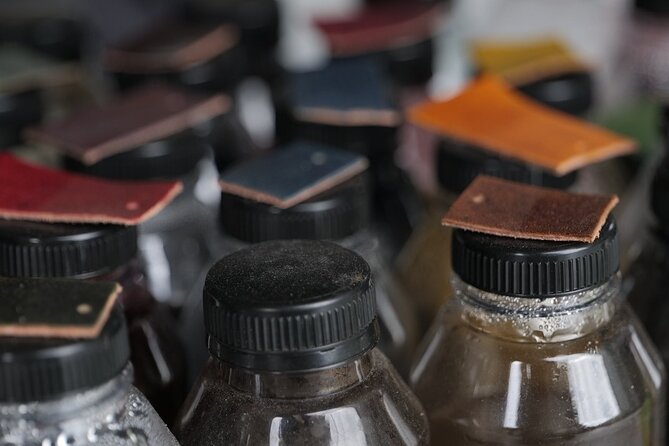
After cutting, you learn how to add color to the leather. You can choose from different dyes and finishes to create the look you want. The exact result may vary with the leather texture and the way the dye is applied, which is part of the handmade character.
This is one of the most enjoyable parts for people who like design. A plain piece of leather becomes more personal once you choose its color. You can coordinate it with your thread or go for a contrast.
The dyeing stage also means your finished item may not look perfectly uniform in the way a factory-made product does. That is not a flaw in this kind of workshop. It is evidence that you made the choices and applied the finish yourself.
If you have a very specific color in mind, ask what options are available when you arrive. The activity promises a variety of dyes and finishes, but it does not list the exact shades.
Preparing, punching, and hand-stitching
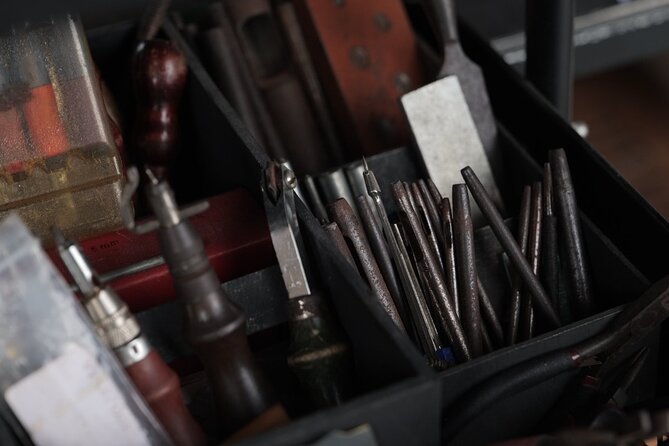
Once the leather is cut and colored, the pieces need preparation for stitching. You learn how to make the sewing process smoother and more precise, then use a needle and thread to join the leather by hand.
Hand-stitching is the heart of the class. It takes time, but it also gives you a clear sense of progress. Each row of thread brings the object closer to completion, and you can see how the separate pieces become a wallet, purse, or other useful item.
The stitching is meant to create a durable finished product, but the neatness depends partly on your own care. Beginners should expect guidance and patience, not instant perfection. If your first stitches are uneven, the instructor can show you how to improve your technique.
Thread color is another small choice that makes a difference. A matching thread gives a restrained look, while a contrasting color makes the stitching part of the design. You can ask for help deciding what will work best with your leather.
This is also the point where a six-hour duration makes sense. A shorter class might show you the basics, but it would leave little time for cutting, coloring, sewing, and finishing your own item.
Polishing edges and adding the final details
After stitching, you work on the edges. The leather is polished and finished with varnish to give it a smoother, more professional appearance.
Edge work can make a simple object look much more finished. It also gives you a final chance to correct rough spots and improve the feel of the piece in your hand. The varnish adds protection and a cleaner surface, though you should follow the instructor’s directions carefully during this stage.
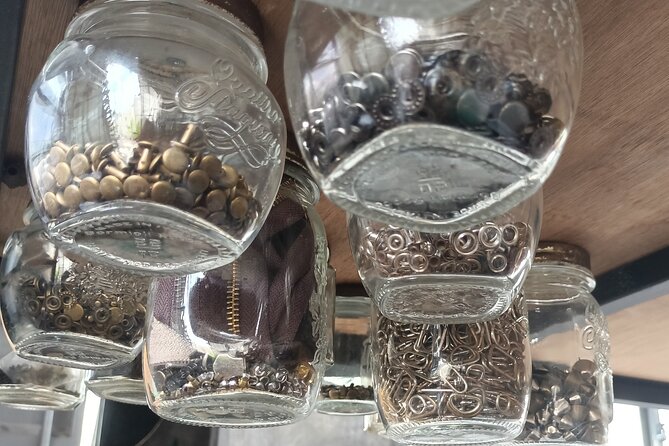
The final step is adding hardware and other details. Depending on the item, this may include snaps, buttons, or similar accessories. These small fittings affect how the piece works, not just how it looks.
By the end, you have handled nearly every stage yourself. The instructor helps you, but the point is not to receive a product made entirely by someone else. You leave with an item that reflects your decisions and your patience.
The people who make the class work
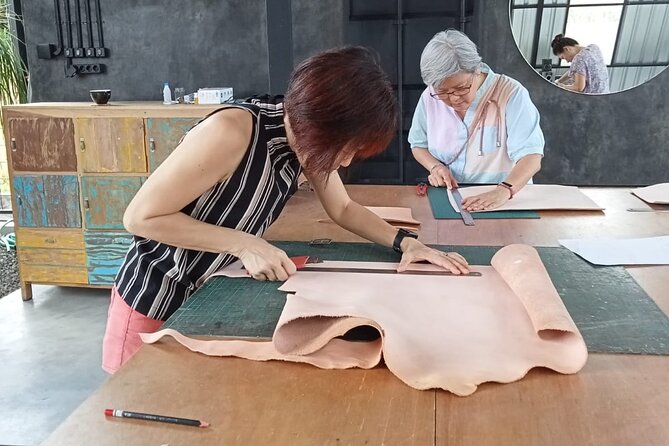
A good craft lesson depends heavily on the teacher. Here, Abenk and Opik are the people who guide the session. Abenk is described as calm, encouraging, and patient, and the teaching is adjusted to different levels of ability.
That matters if you have never used leather-working tools. You can ask questions as you go, and the private format means the pace is more personal than in a crowded group class.
The workshop has also worked well for pairs. Friends can make different items while sharing the same session, and a parent and teenager can take on a project together without needing advanced skills.
The relaxed teaching style is a good match for anyone who prefers learning by doing. If you want a fast, polished production demonstration, this is not the right choice. If you want to understand the process and make mistakes under friendly guidance, it fits much better.
Is $46 a good value?
At $46 for about six hours, this is good value if you want a substantial hands-on activity. You are paying for extended instruction, materials, use of the studio, and a finished leather item rather than a short craft demonstration.
The value also depends on what you make. A small card wallet gives you a complete introduction at a lower level of effort. A purse or bag may feel like a stronger keepsake, though the amount of work and the final result will vary.
The workshop also replaces part of a shopping trip. Instead of spending an hour looking through souvenir shops for something made in Bali, you create a personal item and understand more about how it was produced.
I would not book it solely as the cheapest way to get a leather wallet. You may find ready-made leather goods for less. Book it for the six-hour creative process, the personal design choices, and the satisfaction of carrying home something you worked on from start to finish.
The rating is 4.9 out of 5 from 20 ratings, with 100 percent recommending it. That is a strong signal, though a small sample cannot predict every person’s experience. Your enjoyment will depend on how much you like slow, detailed handwork.
Heat, lunch, and finding the studio
The practical drawbacks are easy to prepare for. One participant found the day extremely hot and said lunch needed more attention. Bring water, dress for warm weather, and arrange food ahead of time rather than assuming a meal is included.
Another person had trouble with the lack of signage. The provider has indicated that clearer signage is being worked on, but you should still allow extra time and keep the full address available on your phone.
The class starts at 10:00 am and lasts roughly six hours, so it occupies most of the day. Avoid scheduling a tight afternoon transfer or another fixed activity immediately afterward.
You can reach the area using public transportation, and the activity ends where it begins. Since the exact travel time depends on your starting point, build in a buffer from Seminyak or Canggu.
Who should book this workshop?
I would recommend it most strongly to:
- Couples or friends who want a shared project
- Families with teenagers
- First-time leather workers
- People who prefer making souvenirs to buying them
- Visitors who want a quiet day away from busy beach areas
- Anyone who enjoys patient, detailed handwork
It is less suitable if you dislike sitting in one place for long periods, need a quick activity, or want a fully air-conditioned escape from Bali’s heat. The class requires attention, and the final item will show your own level of experience.
It is also a useful option for a rainy day, provided the workshop is operating as planned, because the main activity takes place in the studio. The rice-field setting adds interest, but this is not a walking tour or a sightseeing excursion.
Should you book the Bali leather workshop?
Book this if you want a personal souvenir and enjoy learning a practical skill. The strongest reasons are the full start-to-finish process, the private setting, the patient instruction from Abenk and Opik, and the chance to choose your own leather, dye, thread, and hardware.
I would book a smaller item if you are new to crafts or unsure about spending six hours on leather work. Choose a purse or bag if you want a larger project and are comfortable giving the day your full attention.
Bring water, plan lunch, confirm directions to Kaula Bali, and leave room in your schedule. With those details handled, the $46 price buys more than an object. It gives you a calm Bali day and the satisfaction of saying I made this myself.
FAQ
Where does the Bali leather craft workshop take place?
The meeting point is Kaula Bali Leather Workshop, Gg. Yogya, Kerobokan Kaja, Kuta Utara, Badung, Bali 80361, Indonesia.
What time does the workshop start?
The workshop starts at 10:00 am.
How long does the activity last?
The workshop lasts approximately six hours.
Where does the workshop finish?
The activity ends back at the original meeting point.
What can I make during the workshop?
Possible small leather projects include a wallet, purse, belt, jewelry set, or similar item.
Do I make the leather item myself?
Yes. You take part in cutting the pattern, coloring the leather, preparing it for stitching, sewing the pieces by hand, polishing the edges, applying varnish, and adding final accessories.
Can I customize my leather item?
Yes. Customization may include the leather texture, dye or finish, thread color, and details such as snaps or buttons.
Is the workshop private?
Yes. This is a private activity, so only your own group participates.
Can I cancel for a full refund?
Yes. You can cancel at least 24 hours before the local start time for a full refund. Cancellations or changes made less than 24 hours before the start time are not accepted for a refund.
Recently added around Seminyak
- Bali: Denpasar Market Food Tour with 7 Tastings Must-Try★ 3.9 · 3 reviews
- Gong Sound Healing on Nusa Lembongan, Bali★ 5.0 · 3 reviews
- Ubud: Healing & Purification with Shaman at Hidden Temple★ 3.3 · 3 reviews
- Bali: Customized Uluwatu Tour Including Transfer Hotel★ 3.9 · 3 reviews
- Private Tour: Half Day Tanah Lot Sunset Tours★ 5.0 · 3 reviews
- Bali: Blue Lagoon Snorkeling Tour with Bali Quad Bike★ 3.4 · 3 reviews
- Royal Orchid Spa 90 Minutes Relaxing Massage.★ 4.5 · 3 reviews
- Full-Day Customized Amazing Private Tours in Bali★ 5.0 · 3 reviews
Workshops, compared.

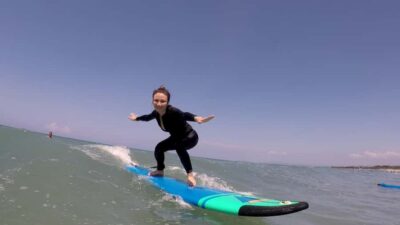
Legian Beach, Bali: Beginner or Intermediate Surf Lessons
Read our review →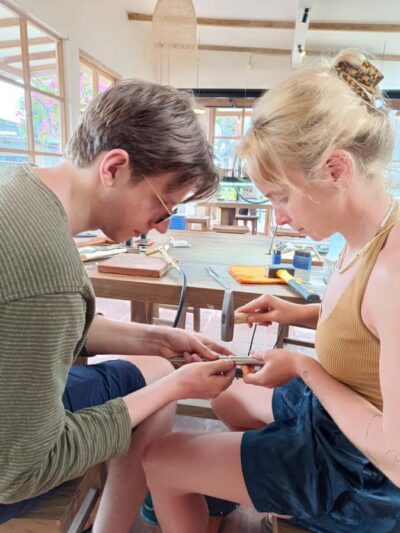
Canggu Jewelry Making Class with Creative Studio Vibes
Read our review →
Canggu & Uluwatu Puppy Yoga Class & Refreshing Drinks
Read our review →
Beginner & Intermediate Surf Lesson with Equipment
Read our review →
Browse the lists this tour appears in