
Reviewed · WORKSHOPS
Outskirts of Ubud, Gianyar: Pottery Class
Bali has plenty of craft workshops, but this one lets you try two pottery methods in a single three-hour session. At Tana Ampo Pottery Studio near Ubud, you begin with handbuilding, then move to the wheel, with time to paint your work if you wish. Putra and Wigus are among the instructors named for this class.
I like the clear progression from feeling and shaping the clay by hand to learning the wheel. I also like the private-group format, which gives you room to ask for help instead of fighting for attention. The main catch is practical: the studio can be hard to find in a residential back area, and you should leave at least five days before departure if you want your fired pieces delivered to your hotel.
In This Review
- Key points to know before booking
- What the Tana Ampo pottery class is really like
- Starting with handbuilding and getting to know the clay
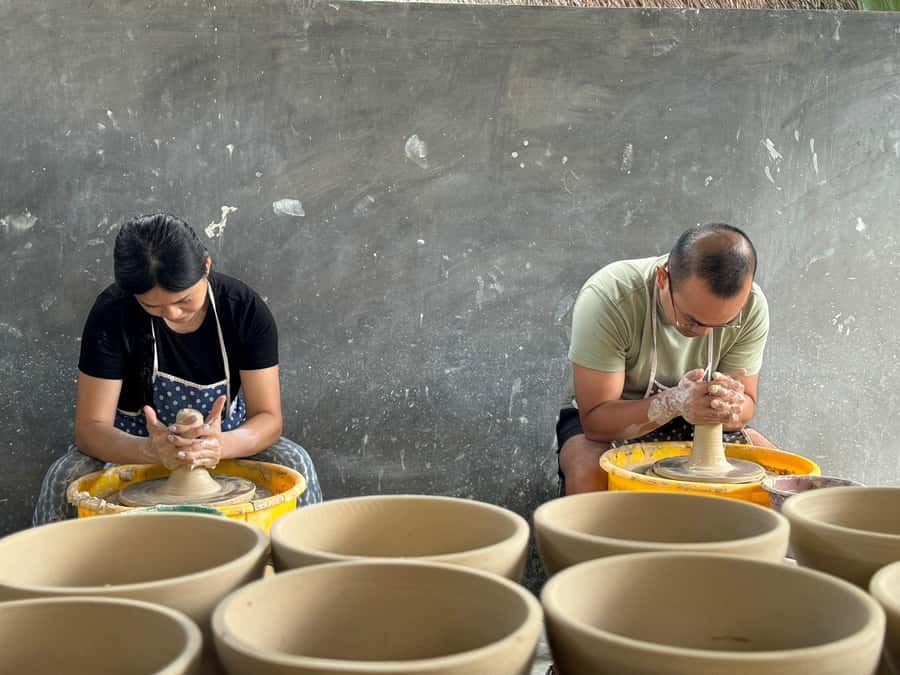
- Learning the wheel without feeling rushed
- Painting your pieces and adding the final look
- Finding the studio near Ubud
- Who will get the most from this class
- What is included for $40
- Timing, language, and booking flexibility
- Small drawbacks worth weighing
- Should you book the Tana Ampo pottery class?
- FAQ
- How long does the pottery class last?
- Where is the pottery class located?
- How much does the class cost?
- Which pottery techniques will I learn?
- How much clay is included?
- Are pottery tools and a wheel provided?
- Can I paint my pottery?
- Are firing and glaze included?
- What languages does the instructor speak?
- Can children take the class?
- Do I need to bring anything?
- Is the class private?
- Can I cancel the booking?
- Can I reserve now and pay later?
- Will I receive my pottery during the class?
Key points to know before booking
- Two techniques in three hours: Start with handbuilding, then learn the pottery wheel.
- Two kilograms of clay included: The clay is divided between the two parts of the class.
- Painting is optional: Add color and personal designs before the studio applies the finishing glaze.
- Private group setting: You learn with your own group, with instruction in English or Indonesian.
- A calm, hands-on activity: The class suits beginners, creative couples, families with older children, and anyone needing a break from sightseeing.
- Plan for the finished pieces: Firing takes time, so book at least five days before leaving Bali if you want your pottery sent to your hotel.
What the Tana Ampo pottery class is really like
This is a practical pottery lesson, not a quick demonstration followed by a souvenir purchase. You make the objects yourself, with an instructor showing you how to handle the clay and correct problems as they appear.
The three-hour format gives the class a useful rhythm. You do not spend the whole session struggling at the wheel, which can be frustrating for a first attempt. Instead, you first get familiar with the material through handbuilding. Then you use that feel for the clay when you sit at the wheel.
The class costs $40 per person. That price includes 2 kilograms of clay, tools, use of the pottery wheel, water for the activity, firing, and a glaze layer for the finished pieces. It is a fair price if you value guided instruction and want to take home work made by your own hands. It is less appealing if you only want a quick cultural photo stop or a guaranteed professional-looking vase.
A few more Seminyak experiences worth comparing
- Ubud: Balinese Cooking Class at an Organic Farm
★ 5.0 · 1,786 reviews - From Ubud: Authentic Cooking Class in a Local Village
★ 4.9 · 1,325 reviews - Ubud: Handcrafted Silver Jewelry Workshop
★ 4.3 · 1,214 reviews
Starting with handbuilding and getting to know the clay
Handbuilding is the best place to begin because it removes the pressure of a spinning wheel. You shape the clay with your hands and simple tools, learning how much force it can take before it bends, cracks, or loses its form.
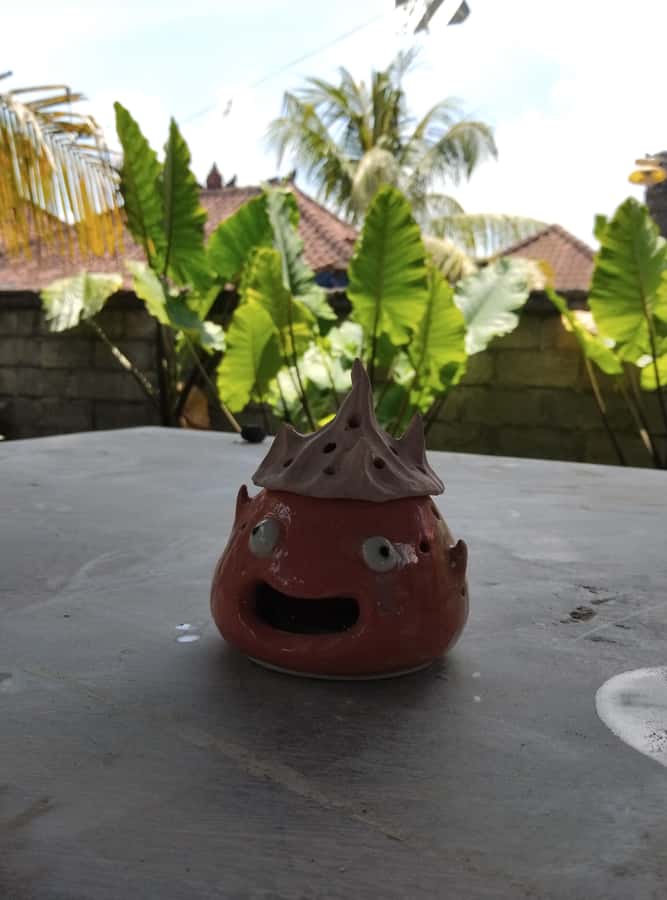
This part also gives you more freedom with unusual shapes. Cups, bowls, and vases are natural choices for the wheel, but handbuilding allows you to make forms and details that may be awkward on a machine. You can work on texture, surface marks, and designs that come from your own ideas rather than following a rigid template.
The clay is divided between the two techniques, so you have material reserved for both projects. That matters. You get to try two different methods instead of using all your clay on one uncertain wheel attempt.
I like this opening section for beginners because it gives you an early success before the more demanding part begins. You can focus on the feel of the clay, then use the tools with a better sense of its weight and flexibility.
Do not expect every small detail to come out exactly as planned. Handmade pottery has wobbles, uneven edges, and fingerprints. Those marks are part of the point, but you should choose a design that fits your skill level and the time available.
Learning the wheel without feeling rushed
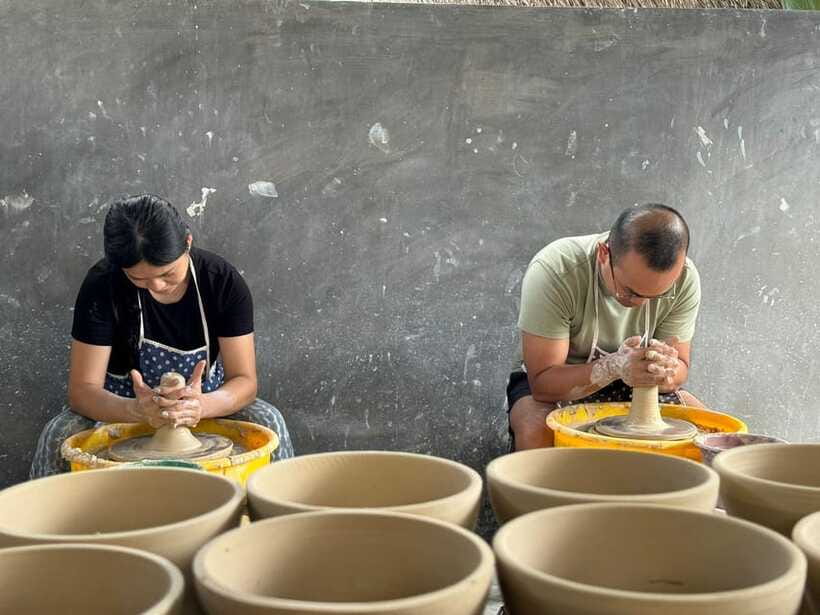
The wheel section introduces the technique most people picture when they think of pottery. You place the clay on the rotating wheel and learn to center it, shape it, and pull the walls upward.
For a first-time student, centering is often the hardest step. A small imbalance can make the clay wobble and send a simple bowl in a strange direction. That is where the instructor matters. Putra and Wigus are named as instructors connected with the class, and the teaching approach is built around helping you when you need it rather than leaving you to guess.
You may choose to make a cup, bowl, vase, or another simple form suited to the wheel. The goal is not to produce a flawless studio piece. The goal is to understand how pressure from your hands changes the clay as it spins.
The private-group setup is useful here. You can ask for the instructor to repeat a step, request help with centering, or try again without feeling that a large class is waiting. This is one of the strongest reasons to choose this session over an inexpensive group demonstration.
The wheel can also be messy. Clay and water are part of the process, and your first piece may not survive every correction. That is normal. The class includes two kilograms of clay divided between handbuilding and wheel work, giving you a reasonable amount of material to practice with.
Painting your pieces and adding the final look
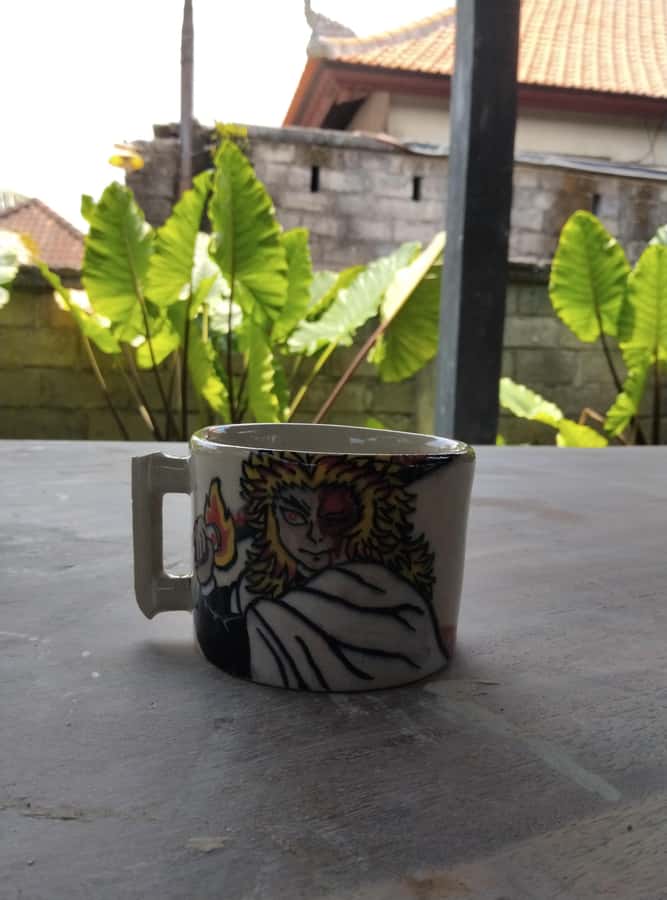
After handbuilding and wheel work, you have the option to paint your pieces. This is where you can make the work feel more personal, especially if your shape is simple.
Painting is not compulsory, so you can leave the surface plain if you prefer the natural clay look. If you do paint, think about a design you can finish within the session. Simple bands, dots, lines, or blocks of color are more realistic than a highly detailed scene when you are working within three hours.
The studio applies a glaze layer for the finishing touch. Glaze changes the surface and helps give the pottery its finished appearance after firing. Since both the glaze and firing are included, you do not need to arrange those steps separately.
One important point: the pieces are not instant souvenirs. Clay needs time to dry and then be fired. If you are staying in Bali for less than five days, the timing may be tight. Alexandra specifically advises booking at least five days before departure so the studio has time to finish the work and send it to your hotel.
That delay is a minor inconvenience, but it is also a sign that you are making actual pottery rather than taking home a piece straight from a shelf. Ask the organizers about the delivery plan when you book, especially if your hotel changes during your stay.
A different pace of day, same stretch of Bali coast:
- Bali: Mount Batur Sunrise Guided Hike and Natural Hot Spring
★ 4.8 · 9,284 reviews - Bali: Full-Day Instagram Highlights Tour
★ 4.8 · 7,817 reviews - Bali: Sunrise Mount Batur Hike with Breakfast
★ 4.8 · 6,973 reviews - ️Nusa Penida by Private Boat – Snorkeling 4 spots, Swim with Mantas + Land Tour
★ 5.0 · 6,424 reviews
Finding the studio near Ubud
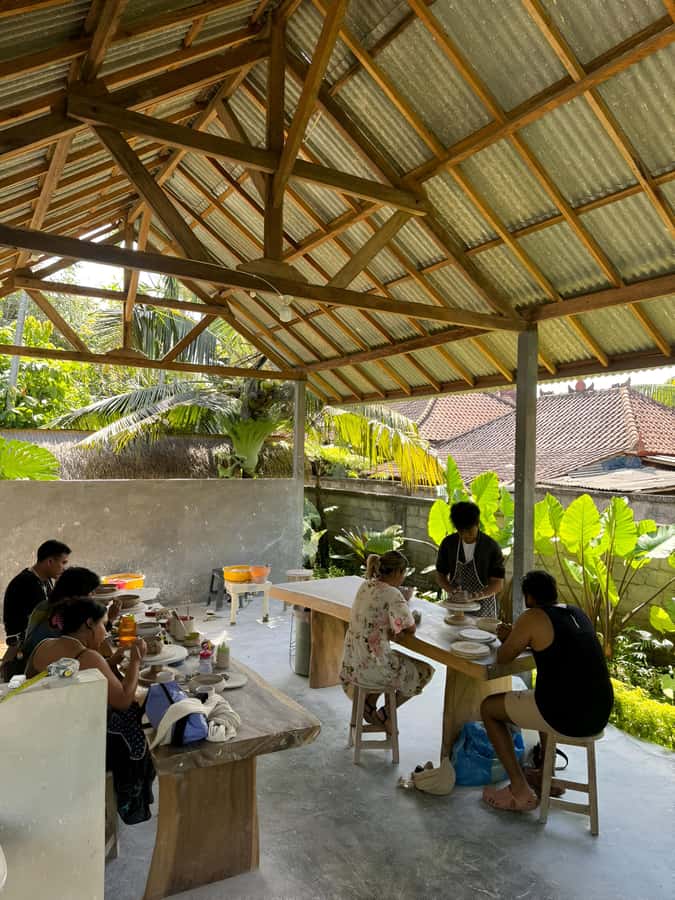
Tana Ampo Pottery Studio is in the outskirts of Ubud, in the Gianyar area. The setting is described as a peaceful studio surrounded by greenery, but the exact location can be difficult to spot.
The studio is in a back area of a house, and one customer had trouble finding it after a taxi driver took several wrong turns. Another useful tip is to contact the organizers early. If you arrange it in advance, someone can meet you at the roadside and guide you in.
Do not treat the meeting point as something to solve at the last minute. Keep the studio contact details ready, allow extra time for the drive, and bring your reusable water bottle. Water is available for the class, but a bottle and cups are not included.
The location has a local, residential feel rather than the clear signage of a large attraction. That can make arrival less smooth, yet it also places the class away from the most polished tourist settings. If you like craft activities in quieter surroundings, this will likely suit you. If you need a simple, highly visible entrance, ask for precise directions before setting out.
Who will get the most from this class
This class is a good match for beginners. You do not need previous pottery experience, and the instructor guides you through the wheel rather than expecting you to know the process already.
It also works well for couples and small private groups. Each person can make different choices, and you can compare handbuilt and wheel-made forms at the end. The activity is creative without requiring you to spend a full day away from Ubud.
Families should pay attention to the age guidance. Children under five are not suitable for the class. Children under ten must be accompanied by an adult. A 15-year-old enjoyed the activity, so older children and teenagers may find the mix of instruction and free design time rewarding.
You should choose another activity if you dislike getting your hands dirty, want a polished keepsake with no chance of failure, or have no time to wait for firing. Pottery rewards patience. It is not a fast, guaranteed-result workshop.
What is included for $40
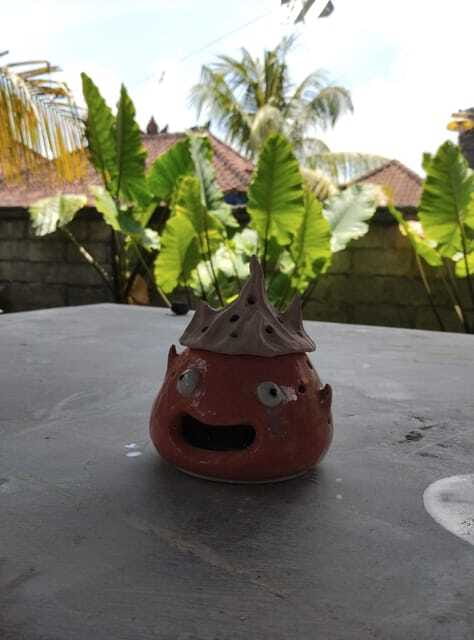
At $40 per person, the class includes more than the lesson itself:
- Two kilograms of clay, divided between handbuilding and wheel work
- Pottery tools
- Use of a pottery wheel
- Water for the class
- Firing of your pieces
- A glaze layer for finishing
- English or Indonesian instruction
- A private-group format
The value comes from the combination. You are not paying only for three hours of instruction. You are also paying for clay, equipment, kiln firing, and the glaze process, which would be difficult to arrange independently during a short Bali visit.
Water bottles and cups are not included, so bring a reusable bottle. This is a small detail, but useful in a warm studio environment where you will be working with water and clay for several hours.
The price feels strongest for someone who wants a real activity and a personal object to remember Bali by. If you are booking for a family, calculate the total cost carefully, since the charge is per person. Still, a private three-hour class with materials and firing included compares well with other guided craft sessions.
Timing, language, and booking flexibility
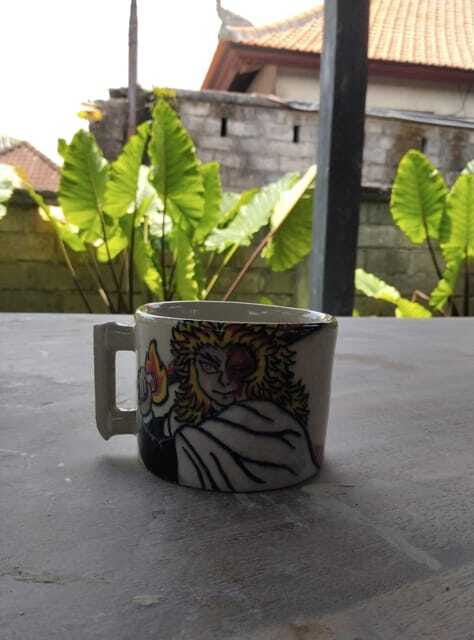
The class lasts three hours, but starting times depend on availability. Check the schedule before choosing a day, then allow extra time to reach the studio because the location may be difficult to identify.
Instruction is available in English and Indonesian. Putra and Wigus are named instructors associated with the experience. The teaching style is patient and supportive, which matters most during the wheel section when a small correction can save a piece.
The group is private. That does not mean you will have a personal teacher for every second, but it does mean your booking is limited to your own group rather than a large public class.
You can cancel up to 24 hours in advance for a full refund. There is also a reserve-now, pay-later option, useful if your Bali plans are still shifting. These terms reduce the risk of booking early, which is sensible if you need to allow five days for the finished pottery.
Small drawbacks worth weighing
The biggest drawback is the studio location. A backstreet setting can be charming, but it can also make you late if your driver gets lost. Contact the organizers before the class and ask about roadside pickup or guidance.
The second issue is the wait for finished work. Your pottery needs drying, glazing, and firing, so you may not leave with it in your hands. Book early in your Bali itinerary if the pieces matter to you.
There is also a built-in uncertainty in handmade work. Your first wheel-made cup may lean. Your handbuilt design may look different from the sketch in your head. The instructor can help, but cannot remove the learning curve. I see that as a fair trade for making something genuine, though perfection-focused visitors may prefer a normal souvenir shop.
Finally, the class uses water and clay, and the work is physical in a small way. Wear clothing you do not mind getting dirty, though the supplied information specifically requires only a reusable water bottle. You should also follow the age limits for younger children.
Should you book the Tana Ampo pottery class?
Book it if you want a hands-on Ubud activity with real instruction, two pottery methods, and a finished piece that carries your own fingerprints. The class is especially suitable for beginners, couples, private groups, and families with children old enough to follow the guidance.
I would book it early in the trip, not on your last day. That gives the studio time to dry, glaze, fire, and send the pottery to your hotel. I would also contact the organizers before arrival so the backstreet location does not turn into a taxi treasure hunt.
Skip it if you need an instant souvenir, dislike clay, or have less than five days before departure. For everyone else, $40 buys three useful hours of creative work, solid material coverage, and the chance to learn both handbuilding and the wheel in one relaxed session.
FAQ
How long does the pottery class last?
The class lasts three hours.
Where is the pottery class located?
It takes place at Tana Ampo Pottery Studio in the outskirts of Ubud, in Gianyar, Bali.
How much does the class cost?
The price is $40 per person.
Which pottery techniques will I learn?
You will learn handbuilding first, followed by pottery-wheel work.
How much clay is included?
Two kilograms of clay are included, divided between the handbuilding and wheel sections.
Are pottery tools and a wheel provided?
Yes. Tools and use of a pottery wheel are included.
Can I paint my pottery?
Yes. You have the option to paint your pieces after the handbuilding and wheel sections.
Are firing and glaze included?
Yes. Firing and a glaze layer for the finishing process are included.
What languages does the instructor speak?
Instruction is available in English and Indonesian.
Can children take the class?
Children under five are not suitable for the class. Children under ten must be accompanied by an adult.
Do I need to bring anything?
Bring a reusable water bottle. Water for the activity is included, but a water bottle and cups are not.
Is the class private?
Yes. The activity is offered for a private group.
Can I cancel the booking?
You can cancel up to 24 hours in advance for a full refund.
Can I reserve now and pay later?
Yes. The reserve-now, pay-later option lets you hold a place without paying immediately.
Will I receive my pottery during the class?
No delivery time is specified, and the pieces require drying, glazing, and firing. Book at least five days before departure if you want time for the studio to send them to your hotel.
Recently added around Seminyak
- Bali: Denpasar Market Food Tour with 7 Tastings Must-Try★ 3.9 · 3 reviews
- Gong Sound Healing on Nusa Lembongan, Bali★ 5.0 · 3 reviews
- Ubud: Healing & Purification with Shaman at Hidden Temple★ 3.3 · 3 reviews
- Private Tour: Half Day Tanah Lot Sunset Tours★ 5.0 · 3 reviews
- Bali: Customized Uluwatu Tour Including Transfer Hotel★ 3.9 · 3 reviews
- Bali: Blue Lagoon Snorkeling Tour with Bali Quad Bike★ 3.4 · 3 reviews
- Royal Orchid Spa 90 Minutes Relaxing Massage.★ 4.5 · 3 reviews
- Full-Day Customized Amazing Private Tours in Bali★ 5.0 · 3 reviews
Workshops, compared.


Legian Beach, Bali: Beginner or Intermediate Surf Lessons
Read our review →
Canggu Jewelry Making Class with Creative Studio Vibes
Read our review →
Canggu & Uluwatu Puppy Yoga Class & Refreshing Drinks
Read our review →
Beginner & Intermediate Surf Lesson with Equipment
Read our review →
Browse the lists this tour appears in