
Reviewed · BALINESE COOKING CLASSES
Cooking class in the comfort of your own personal villa. Yes, I’ll come to you!
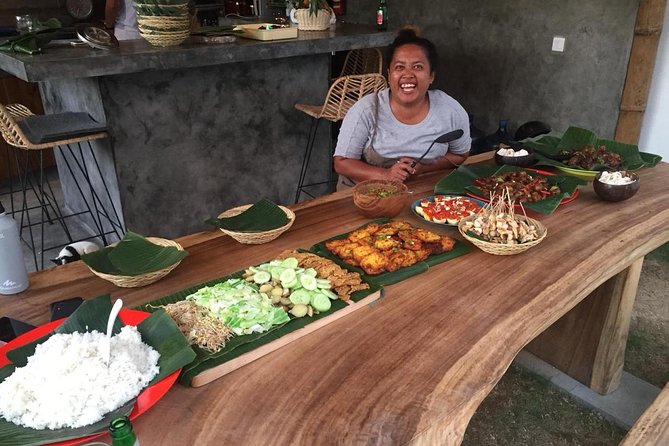
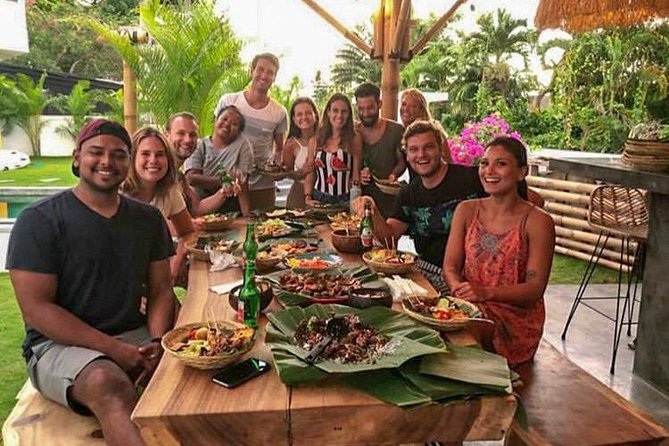
The clever part of this Bali cooking class is that Yohana comes to your villa. You do not spend part of the evening finding a restaurant or joining a crowded teaching kitchen. She brings the ingredients, guides your group through three Indonesian dishes, serves the meal, and handles the washing up. I like the private setting and the freedom to buy your own drinks. The main thing to clarify is the menu and number of dishes before booking, since the pace can feel tight when a group prepares more than three dishes.
I also like how personal the class can be. Yohana adapts recipes for vegetarians, vegans, gluten-free diets, and mixed groups, and her easy humor helps turn the lesson into a social evening. At $50 per person, the value is strongest for a group sharing a villa, especially when you count the ingredients, dinner, instruction, and cleanup.
In This Review
- Key points at a glance
- A Balinese cooking class that comes to you
- What happens during the three-hour session
- The dishes and what you will learn
- Yohana’s teaching style
- How private villa cooking changes the evening
- Price, group size, and overall value
- Dietary needs and menu planning
- Who should book this experience?
- Booking details worth checking before you pay
- My verdict: book it for the setting, not just the food
- FAQ
- Where does the cooking class take place?
- How long does the activity last?
- How many dishes will I cook?
- Is the class private?
- Is lunch or dinner included?
- Do I need to bring ingredients or cooking supplies?
- Does the host clean up afterward?
- Can vegetarians and vegans join?
- What is the cancellation policy?
Key points at a glance
- Yohana cooks in your own villa: You get a private lesson without leaving your accommodation.
- Three Indonesian dishes are the standard plan: Possible choices include gado-gado, corn fritters, chicken in sweet soy sauce, and klepon.
- The menu can be adjusted: Vegetarian, vegan, gluten-free, allergy, and personal preference requests can be discussed in advance.
- Dinner and cleanup are included: Yohana brings the supplies and washes the dishes before leaving.
- The class lasts about three hours: A larger or more ambitious menu may make the session feel rushed.
- It suits private groups especially well: Families, couples, friends, and villa groups can set the mood and buy their own drinks.
A Balinese cooking class that comes to you
Many cooking classes ask you to meet at a restaurant, market, or school. This one reverses the arrangement. You stay in your Canggu villa, and Yohana arrives with what you need to prepare an Indonesian meal.
That small change matters. You can begin at your own dining table, use the villa kitchen, and finish by eating in a familiar space. You do not need to arrange a ride home after cooking, and your group can bring the beer, wine, soft drinks, or other refreshments it prefers.
The activity is listed for Seminyak, but the stated meeting point is Canggu in Kuta Utara, Badung Regency. If your villa is outside Canggu, confirm the exact address and service area before paying. The class ends back at your villa, not at a separate restaurant or cooking school.
The experience is private, so only your group takes part. That makes a big difference for a family with children, a group with mixed food preferences, or friends who want a relaxed evening rather than a formal lesson.
More Balinese cooking classes in Seminyak:
- Ubud: Balinese Cooking Class at an Organic Farm
★ 5.0 · 1,786 reviews - From Ubud: Authentic Cooking Class in a Local Village
★ 4.9 · 1,325 reviews - Seminyak: Balinese Cooking Class & Market Tour
★ 4.9 · 458 reviews
What happens during the three-hour session
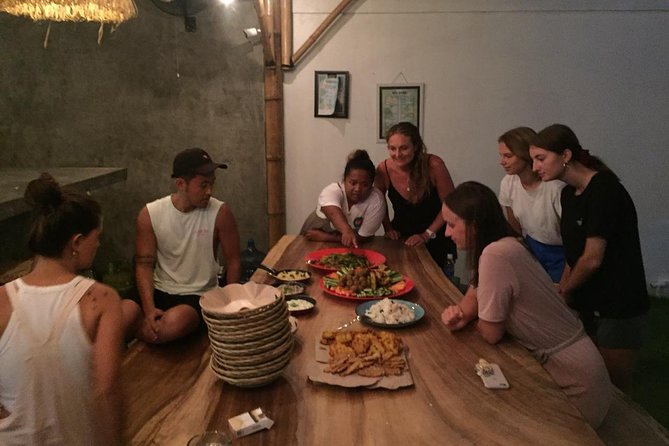
The class begins with Yohana bringing the ingredients and getting your group organized in the villa kitchen. You do not need to shop, prepare a work station, or collect spices ahead of time. The supplies are included, and the cooking takes place at your accommodation.
You then work through three Indonesian dishes. Possible recipes include gado-gado, a vegetable salad with peanut sauce; corn fritters; chicken cooked in sweet soy sauce; and klepon, a coconut-covered sweet filled with palm sugar. The exact combination is customizable, so the most important step is discussing the menu before the class.
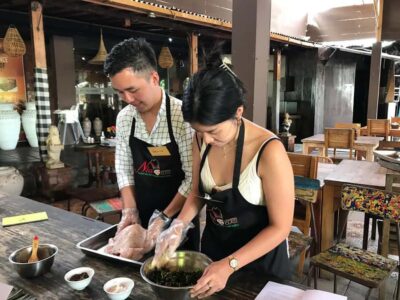
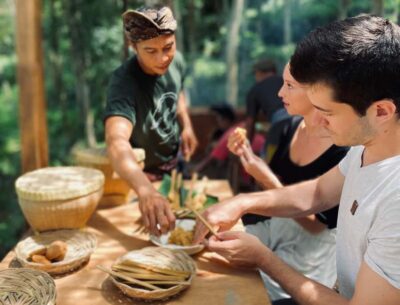
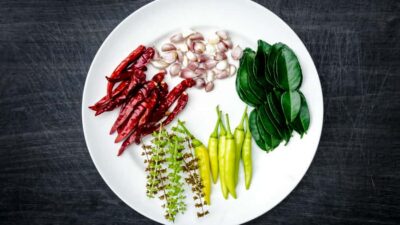
The cooking is hands-on. You may combine herbs and spices, grind them into a paste, prepare vegetables, shape fritters, or help with the other steps for your chosen dishes. One especially useful part of the lesson is learning how Indonesian cooking builds flavor from spice pastes rather than relying only on bottled sauces.
After cooking, you eat what you have prepared in the villa. Lunch or dinner is included, and the group can supply its own drinks. Yohana then cleans the kitchen and washes the dishes before she leaves. That last service is easy to overlook when comparing prices, but it lets you finish the evening as a meal rather than as a kitchen chore.
The dishes and what you will learn
The sample dishes give the class a good spread of Indonesian flavors and techniques. Gado-gado introduces vegetables, peanut sauce, and the balance of savory, sweet, and spicy tastes. It is also a natural choice for vegetarian groups, depending on the final ingredients.
Corn fritters offer a simpler, crispier preparation. They are approachable for first-time cooks and work well as a shared starter or side dish. The process also gives you a chance to see how texture and seasoning matter in a dish that uses inexpensive ingredients.
Chicken in sweet soy sauce brings a different style to the table. Sweet soy sauce is a familiar Indonesian ingredient, but the dish becomes more useful as a lesson when you understand how it works with aromatics and spices. If your group enjoys chicken, this is likely to be one of the more substantial dishes.
Klepon provides a sweet finish. These small coconut-covered treats contain palm sugar, so the finished bite has a soft texture with a burst of sweetness inside. Including dessert makes the class feel like a complete meal, not just a demonstration of savory recipes.
The menu may also expand. One session included potato cakes, chili, and two chicken curries, with six dishes prepared in three hours. That kind of generous menu can be exciting, but it also explains why some groups may feel hurried. If you want time to ask questions and practice each step, request a firm three-dish plan rather than assuming that more food means better value.
Yohana’s teaching style
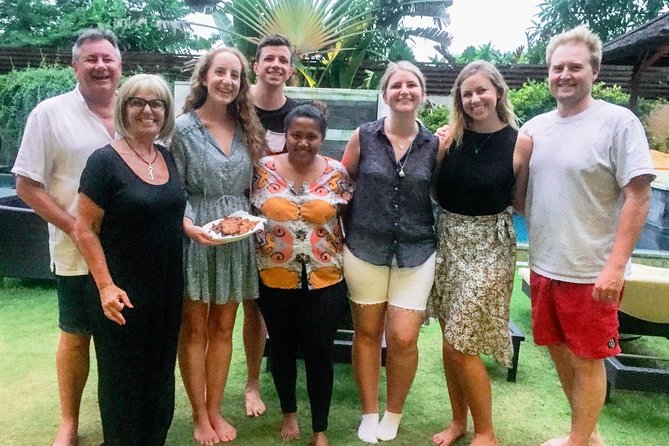
Yohana is the named host, and her approach is informal and personal. She teaches from inside your villa rather than from a fixed classroom, so the tone can adjust to your group. If you are a lively party of friends, the evening can be chatty. If you want a quieter lesson, you can keep the focus on technique and food.
Her humor is part of the appeal. She has been described as down to earth, entertaining, and easy to spend an evening with. That does not replace good instruction, but it matters in a three-hour class where you are sharing a small kitchen and sitting down to eat together afterward.
The strongest practical point is her flexibility. She has handled groups with different likes and dislikes, special dietary requests, gluten-free alternatives, and menus designed for people who do not all eat the same foods. You should still state every allergy, dietary restriction, and strong dislike clearly at booking and repeat it before cooking.
There is one caution here. Customization works best when the final menu is agreed in advance. In one mixed group, a participant who did not eat chicken felt that too much chicken had been prepared, even though most of the party liked it. The lesson is simple: do not leave the menu vague if your group has a non-negotiable food restriction.
A few more Seminyak experiences worth comparing
- Ubud: Handcrafted Silver Jewelry Workshop
★ 4.3 · 1,214 reviews - Legian Beach, Bali: Beginner or Intermediate Surf Lessons
★ 4.9 · 1,019 reviews - Bali: Canggu Jewelry Making Class with Creative Studio Vibes
★ 4.9 · 1,003 reviews - Bali: Canggu & Uluwatu Puppy Yoga Class & Refreshing Drinks
★ 4.8 · 891 reviews
How private villa cooking changes the evening
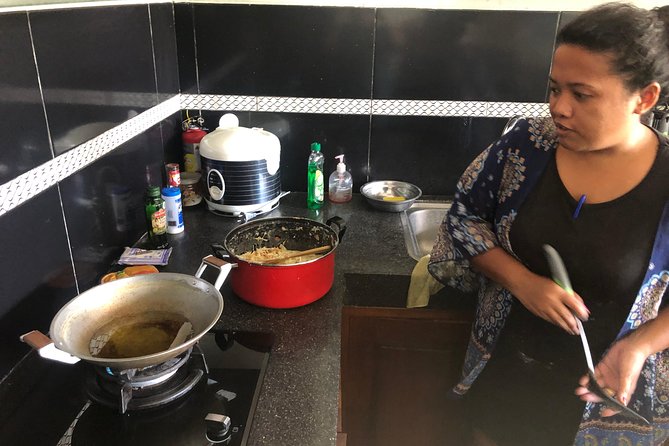
A private setting gives you control over the mood. You can eat at your own table, use the villa’s seating, and purchase the drinks you want. For a couple, this can turn into a relaxed dinner activity. For a family, it avoids taking young children to another venue. For a group of friends, it can become the main evening plan.
The setting also removes some of the polished structure you might find at a dedicated cooking school. You are working in a personal kitchen, and the layout or equipment may vary from villa to villa. The activity provider brings ingredients and takes care of the cleaning, but you are still using the kitchen available at your accommodation.
That is not necessarily a problem. In fact, it can make the recipes more useful because you see how the food is prepared in a normal home setting. Just make sure your villa allows outside cooking instruction and that the kitchen is available at the booked time.
The stated opening hours run from 9:00 a.m. to 9:30 p.m., Monday through Sunday. Since the activity lasts about three hours and includes lunch or dinner, an evening booking is the natural fit, but the wide hours also leave room for a daytime meal.
Price, group size, and overall value
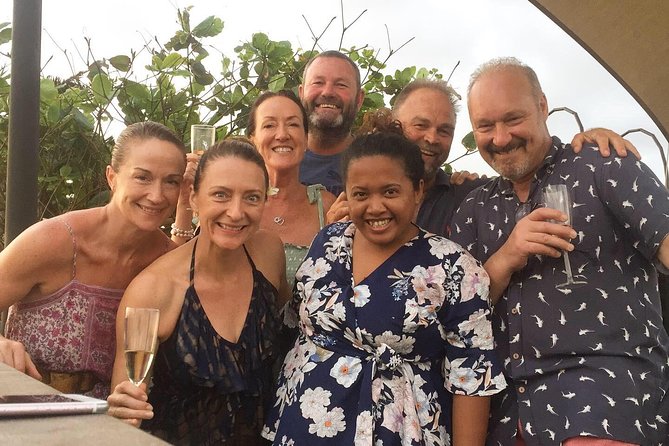
The price is $50 per person. That includes the ingredients, cooking instruction, the meal, and cleanup. Drinks are not included, which is reasonable for a private villa session because you can buy exactly what your group wants.
For two people, the cost is higher than simply ordering Indonesian food through a delivery service. You are paying for the instruction, the host’s time, menu planning, ingredients, and the convenience of having the class brought to you. If your only aim is a cheap dinner, this is not the best comparison.
For four, six, or seven people sharing one villa, the value improves. You get a private event, a full meal, and a social activity in one booking. Group discounts may be available, so check the current rate for your party rather than assuming the listed per-person price is final.
The class is especially worthwhile if you want to recreate Indonesian food after returning home. You can watch and practice the preparation, learn how the spice mixtures are built, and leave with recipes in your memory. However, do not assume printed recipe handouts are included. One unhappy participant specifically expected take-home recipes and did not receive them, so ask about written recipes if that matters to you.
The overall rating is 4.9 from 80 reviews, with 98 percent recommending the experience. Those numbers point to a strong level of satisfaction, but the less positive account is useful too: the class may feel overpriced if you prefer restaurant meals, and the pace may not suit you if the menu grows beyond the standard three dishes.
Dietary needs and menu planning
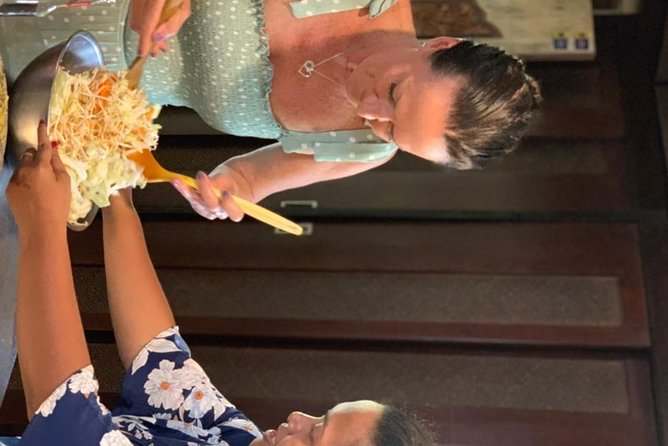
This is one of the better formats for a mixed group because the class is private and the menu can be changed. Vegetarian and vegan participation is specifically supported. Gluten-free alternatives have also been prepared, and special dietary requests have been accommodated.
Still, flexibility has limits. Indonesian food often uses several sauces and pastes, so you should provide clear information about allergies rather than simply saying that someone is a picky eater. Ask which ingredients will be substituted and whether the same cooking surfaces will be used.
If one person avoids chicken while the rest of the group wants it, request a menu with a clear balance. The class can be more successful when the group chooses three dishes that everyone can at least taste, rather than adding extra recipes for individual preferences.
For children, the private villa setting is more forgiving than a shared class. One booking included two children under five, and the host agreed to proceed. Even so, small children may make the cooking slower, so tell Yohana the full group size and ages when booking.
Who should book this experience?
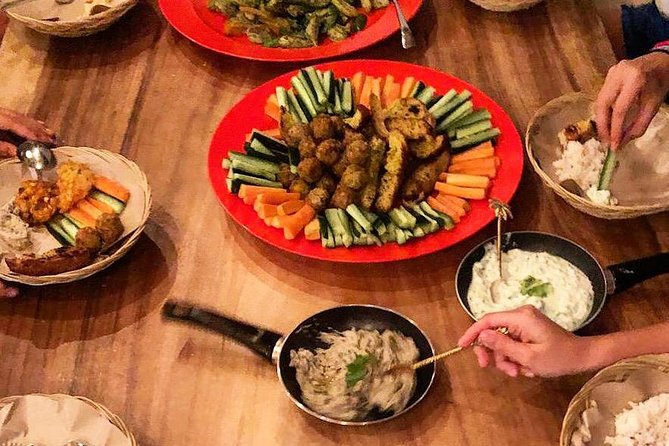
I would choose this class for a villa group that wants a meal with a story attached to it. It is a good fit for friends, couples, families, and groups who would rather spend an evening at home than travel to another venue.
It also suits people who want Indonesian food explained in a friendly, practical way. You get to participate rather than only watch, and the dishes are familiar enough to repeat later without needing a professional kitchen.
The class is less suitable if you want a market visit, a formal culinary school, a printed recipe packet, or a long technical lesson. It is also not ideal for anyone who dislikes social interaction with the instructor or wants complete control over the kitchen.
For groups with different dietary needs, I would book only after confirming the menu. The private format gives you room to customize, but the advance conversation is essential.
Booking details worth checking before you pay
The activity is usually booked about 26 days in advance, so plan ahead during busy periods. Confirmation is sent within 48 hours, subject to availability. Since the provider comes to you, include the full villa address and make sure the meeting point is understood.
You can cancel for a full refund up to 24 hours before the start time. Cancellations or changes made less than 24 hours ahead are not accepted for a refund, and the cut-off follows local Bali time.
The activity allows service animals and is near public transportation. Since it takes place in a private villa, ask any access questions before booking if someone in your group needs a specific kitchen or entry arrangement.
My verdict: book it for the setting, not just the food
I recommend Yohana Parapat’s Cooking Class if you want a private, social Indonesian meal and appreciate the convenience of staying in your villa. The host comes prepared, adapts the menu, cooks with you, feeds you, and cleans up, which is a strong package at $50 per person for a shared group.
Before booking, settle three details: the exact villa location, the final three dishes, and any dietary restrictions. Keep the menu focused if you want a relaxed pace. If you do that, this is a smart way to spend an evening in Bali and a more lasting souvenir than another restaurant meal.
FAQ
Where does the cooking class take place?
The class takes place in your own villa. The stated meeting point is Canggu, Kuta Utara, Badung Regency, Bali, Indonesia.
How long does the activity last?
The cooking class lasts approximately three hours.
How many dishes will I cook?
The standard experience teaches you to cook three Indonesian dishes. The menu can include gado-gado, corn fritters, chicken in sweet soy sauce, or klepon.
Is the class private?
Yes. Only your group participates in the activity.
Is lunch or dinner included?
Yes. The inclusions state that lunch and dinner include the ingredients and cleaning.
Do I need to bring ingredients or cooking supplies?
No. Yohana brings the supplies and ingredients needed for the class.
Does the host clean up afterward?
Yes. Cleaning and dishwashing are included after the meal.
Can vegetarians and vegans join?
Yes. The experience is suitable for vegetarians and vegans, and the menu is customizable.
What is the cancellation policy?
You can cancel up to 24 hours before the experience start time for a full refund. Changes or cancellations made less than 24 hours before the start time are not refunded.
Recently added around Seminyak
- Bali: Denpasar Market Food Tour with 7 Tastings Must-Try★ 3.9 · 3 reviews
- Gong Sound Healing on Nusa Lembongan, Bali★ 5.0 · 3 reviews
- Ubud: Healing & Purification with Shaman at Hidden Temple★ 3.3 · 3 reviews
- Bali: Customized Uluwatu Tour Including Transfer Hotel★ 3.9 · 3 reviews
- Private Tour: Half Day Tanah Lot Sunset Tours★ 5.0 · 3 reviews
- Bali: Blue Lagoon Snorkeling Tour with Bali Quad Bike★ 3.4 · 3 reviews
- Royal Orchid Spa 90 Minutes Relaxing Massage.★ 4.5 · 3 reviews
- Private Car Van Charter Tour Bali★ 5.0 · 3 reviews
Balinese Cooking Classes, compared.
Browse the lists this tour appears in